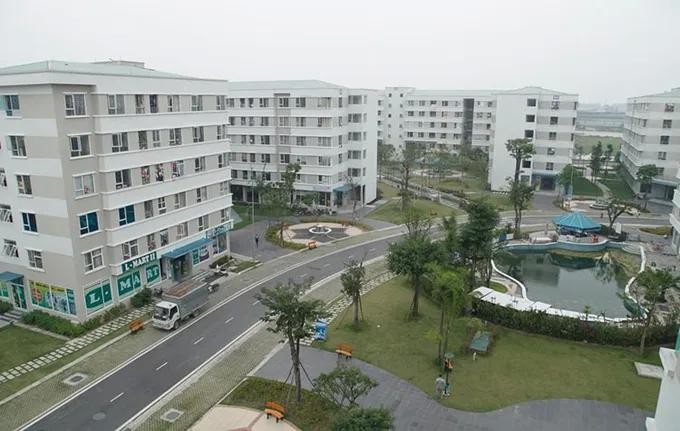
The directive is outlined in Resolution No. 7/NQ-CP, which assigns social housing development goals to localities for the 2026–2030 period. Under the plan, Ho Chi Minh City will lead the country with a total target of 194,297 units over five years. Specifically, the city is expected to complete 28,500 units in 2026, 38,157 units in 2027, and 38,200 units annually from 2028 to 2030.
According to government data, by the end of 2025, some 698 social housing projects were underway, totaling 657,441 apartments. Of these, 193 projects comprising 169,143 apartments have been completed, while another 200 projects, including 134,111 apartments, are under construction and 305 projects with 354,187 apartments have received investment approval. These figures represent 62 percent of the national target, which is approximately 1,062,200 units, set for completion by 2030.
Despite steady progress, the Government acknowledged that completing at least 1 million social housing apartments by 2030 remains a formidable challenge, requiring greater coordination and resource mobilization.
To meet this goal, the Government called on all levels and sectors to treat social housing development as a core political and socio-economic priority, crucial for ensuring social stability and improving living conditions for citizens. The directive emphasizes mobilizing private sector participation, particularly from capable and socially responsible real estate developers.
Provincial people’s committees are required to integrate the assigned social housing targets into their annual socio-economic development plans, expedite ongoing projects for completion by 2026, and allocate suitable land in well-connected areas with synchronized technical and social infrastructure to support new developments.






)