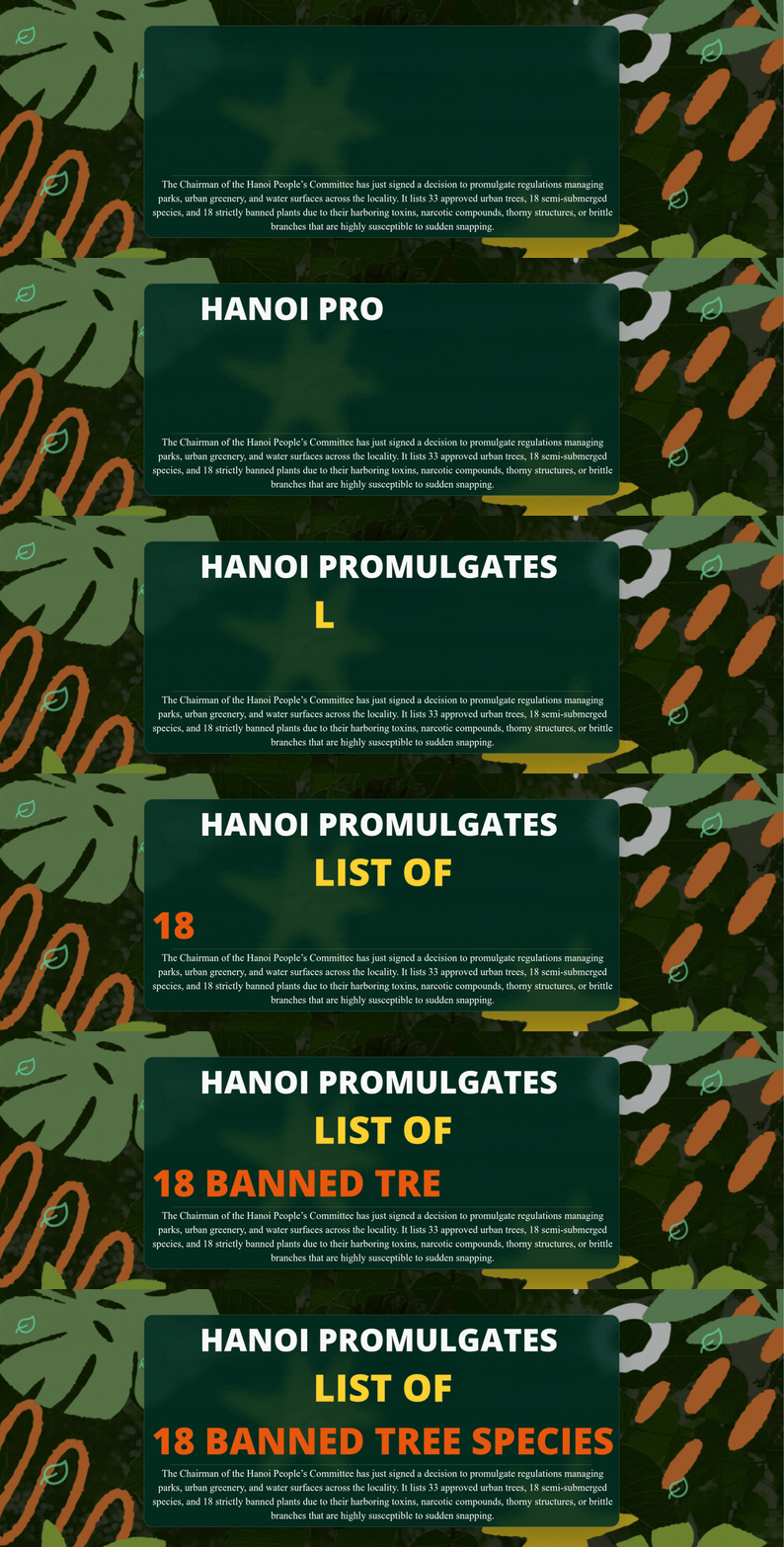
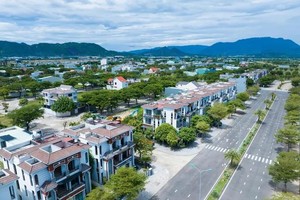
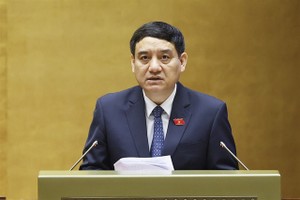
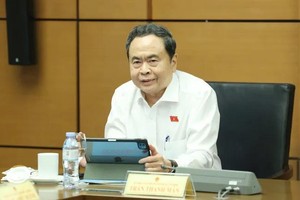
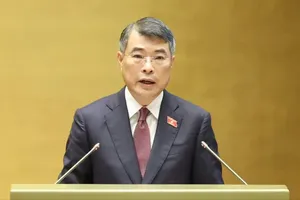
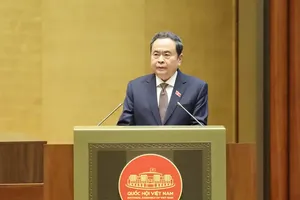
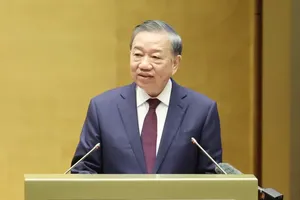
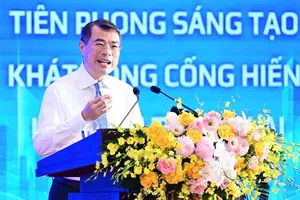
Prime Minister Pham Minh Chinh chaired the fourth meeting of the Central Steering Committee on Housing Policy and the Real Estate Market today in Hanoi to review progress in real estate market management and social housing development in 2025 and to set out key tasks and solutions for 2026 and the coming period.
The Steering Committee reported that since the beginning of 2025, the Government and the Prime Minister have issued six resolutions. The Prime Minister has also promulgated a decision assigning social housing development targets, along with three official dispatches and one directive.
In addition, the Prime Minister and Deputy Prime Ministers have released around 15 conclusions and guidance documents related to social housing development and real estate market management. During the year, the Prime Minister chaired six nationwide conferences, held both in person and online, focusing on social housing and the real estate sector.
In recent years, construction and real estate have accounted for about 11 percent of GDP, with real estate contributing roughly 4.5 percent directly and indirectly through related sectors.
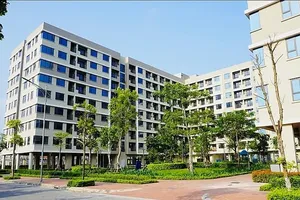
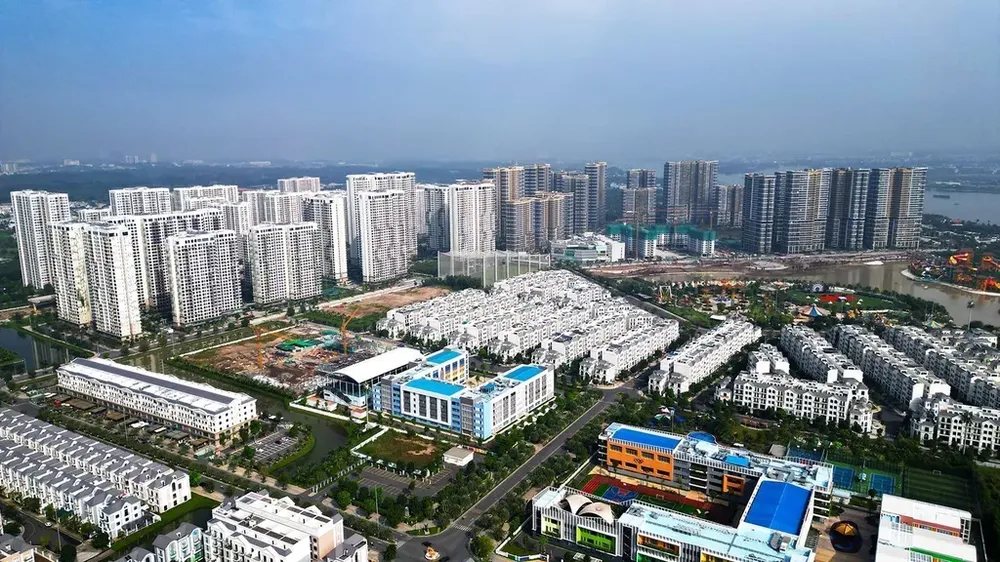
With regard to social housing, under the programme to build at least one million social housing units, 698 projects are currently underway nationwide, with a total scale of 657,441 units. Of these, 193 projects have been completed, delivering 169,143 units; 200 projects have broken ground and are under construction, with 134,111 units; and 305 projects have received investment policy approval, covering 354,187 units. By 2025, the number of completed, commenced and approved units reached 62 percent of the programme’s target.
Nineteen provinces and cities have met or exceeded their assigned targets, while 12 localities have yet to do so. Alongside local authorities, agencies such as the Ministry of National Defence, the Ministry of Public Security and the General Confederation of Labour have implemented social housing projects for military personnel, trade union officials and workers.
At the meeting, participants proposed continuing the review and improvement of institutions and policies governing housing and real estate to ensure consistency, feasibility and effectiveness. They also recommended mechanisms to promote reasonably priced commercial housing, as well as rental and rent-to-own models aligned with people’s purchasing power, the early establishment of a National Housing Fund to mobilise and manage investment capital and further study of a state-established real estate and land-use rights exchange.
Delegates emphasised the need to accelerate the implementation of housing and real estate projects to boost supply, advance social housing development and fulfil the target of building at least one million social housing units for low-income earners and industrial park workers during 2021–2030. They also called for stronger inspection and supervision to promptly prevent and strictly address violations in real estate business activities, brokerage and exchange services, as well as to address shortcomings and potential misconduct in the approval, purchase, leasing and rent-to-own of social housing.
In his concluding remarks, PM Pham Minh Chinh noted that as 2025 draws to a close, the real estate and housing markets have recorded tangible improvements. With the engagement of the entire political system, the armed forces, businesses and the public, Vietnam has completed the elimination of temporary and dilapidated housing nationwide, addressing more than 334,000 homes five years ahead of schedule.
On social housing, after years of slow progress, the current term has delivered a clear breakthrough. The one-million-unit programme has achieved 62 percent of its target. In 2025 alone, the country exceeded its goal by 100,000 social housing units. At this pace, the program is expected to be completed no later than the end of 2028.
The Prime Minister urged localities to build on these gains by proactively allocating land and construction materials, establishing fast-track mechanisms for administrative procedures and promptly resolving obstacles to accelerate social housing development.
He noted that the real estate market has continued to improve, with many projects overcoming legal difficulties and resuming implementation, thereby mobilising resources, expanding supply, supporting socio-economic development, promoting modern and sustainable urban development and contributing to social stability.
On capital mobilisation, PM Pham Minh Chinh stressed the need to diversify funding sources for both commercial and social housing, including bank credit, bonds, foreign direct investment and other channels, while ensuring that capital markets are regulated and operate in a sound and balanced manner. He also highlighted the importance of preferential credit packages for social housing and housing for people under 35.
Reiterating that “the Party provides direction, the State creates conditions, businesses take the lead, public–private partnership works in tandem, the country develops and the people are happy,” the Prime Minister urged localities to complete planning, allocate land for social housing, reform administrative procedures by cutting at least 50 percent of those related to social housing, establish steering committees on housing policy and the real estate market and ensure transparent and accurate beneficiary selection to prevent misconduct.