This aims to create a professional, dynamic, and digitally skilled workforce aligned with the city’s modernization and transformation goals.
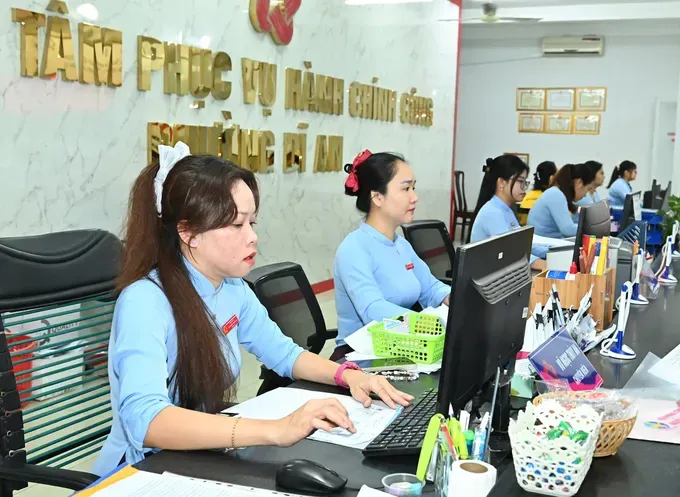
The Standing Committee of the Ho Chi Minh City Party Committee has issued a plan to train and develop a professional and efficient workforce of officials and civil servants for the 2026–2030 period, in line with administrative streamlining and accelerated digital transformation.
The plan emphasizes selecting candidates for training based on job requirements, position standards, and eligibility criteria prior to appointment or nomination. Training is also linked to workforce planning to build a high-quality talent pool that meets the city’s future development needs.
Ho Chi Minh City places strong emphasis on updating knowledge and skills in leadership, management, and state administration, while delivering professional and technical training tailored to specific job positions, titles, and fields of work.
Training priorities include modern urban management, economic development, science and technology, logistics, international seaports, international financial centers, and free trade zones.
In parallel, programs are designed to strengthen foreign language proficiency, digital and soft skills, public service ethics, communication culture, legal knowledge, national defense and security, and international integration. Overseas training will also be implemented through appropriate cooperation initiatives to broaden expertise and global exposure.
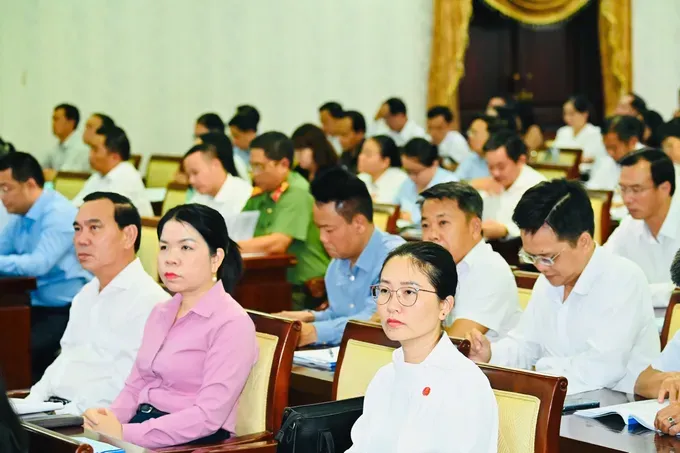
Ho Chi Minh City is committed to delivering advanced political theory training for all key leaders across departments, as well as members of the Standing Committees of Party Committees at the commune, ward, and special zone levels. More than 80 percent of officials in the planning pipeline for these positions are also expected to complete the same standard.
In parallel, the city aims to ensure that 100 percent of leading and managerial officials at both the departmental and commune levels receive intermediate political theory training, with over 80 percent coverage for planned personnel.
Funding will be secured through the state budget in line with decentralization of authority, supplemented by other lawful sources. For programs, schemes, and projects approved by the City Party Committee and the People’s Committee of Ho Chi Minh City, allocations will be implemented strictly according to the content authorized by competent authorities.
Annual training plans must be based on accurate assessments of workforce capacity and job requirements, tailored to specific groups, and implemented with transparency, fairness, and efficiency, alongside stronger accountability of leadership.
Training will prioritize political theory for leadership and planned personnel, as well as postgraduate education in high-demand fields such as public administration, economics, finance and banking, healthcare, education, high-tech agriculture, new materials, information technology, digital transformation, artificial intelligence, and cybersecurity.
Capacity-building programs will focus on leadership, governance, and job-specific skills, particularly in key sectors such as urban management, economic development, science and technology, logistics, international ports, financial centers, and free trade zones.
The city will also enhance training in foreign languages, digital and soft skills, public service ethics, legal knowledge, national defense, and international integration, including overseas training through appropriate partnerships.
Targets include full participation in centrally organized training programs; 100 percent of senior leaders completing advanced political theory training; and over 80 percent of planned personnel meeting the same standard. Similarly, all mid-level managers are expected to complete intermediate political theory training, with over 80 percent coverage for those in planning.
Funding will be sourced from the state budget and other lawful channels, with specific programs implemented according to approved allocations.
Relevant agencies and local authorities are tasked with proactively developing and implementing annual training plans. The Department of Home Affairs will review and consolidate these plans, while the HCMC Institute for Development Studies (HIDS) will assess workforce needs at the grassroots level to inform future training priorities.







)