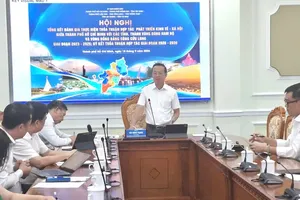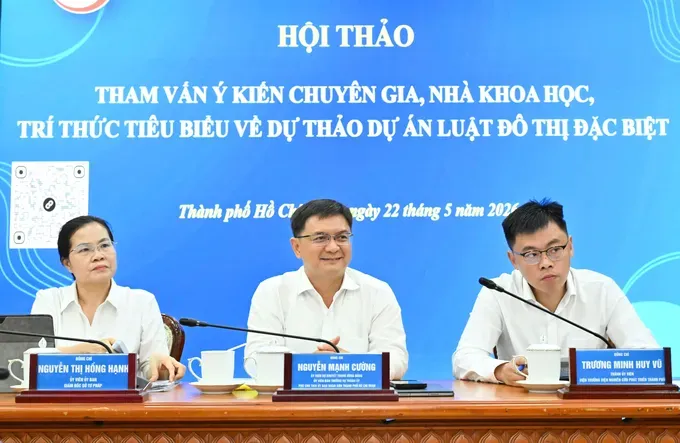
Vice Chairman Nguyen Manh Cuong of the HCMC People’s Committee stated that the drafted Special Urban Law project comprises nine chapters with 45 articles. This legislative project proposes numerous breakthrough mechanisms aimed at helping HCMC achieve phenomenal development. It isn’t merely about supplementing jurisdiction; it’s fundamentally about building a completely new legal foundation for a megacity during the nation’s new developmental phase.
According to the Vice Chairman, many proposed policies boast a massive scale and profound impact, including unprecedented practical elements thoroughly researched by various top experts. The success of this vital effort relies heavily on local autonomy, embracing the spirit that localities decide, execute, and take responsibility.
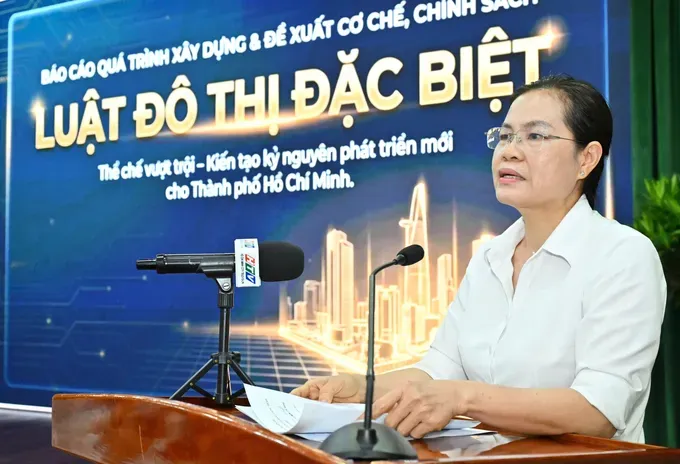
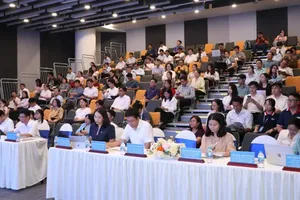
City leaders, therefore, earnestly hope experts and scientists will provide constructive feedback on the draft and core connotations. They ask professionals to evaluate whether the chapters are comprehensive and logical, identifying contents requiring further adjustment to guarantee feasibility during implementation, thereby preventing bureaucratic bottlenecks caused by a lack of guidelines.
Regarding policy suitability, analyzing synchrony between proposed mechanisms and the applicable legal framework is crucial. Planners must ensure policies are sufficiently groundbreaking to unblock existing bottlenecks while maintaining tight control over legal risks related to finance and management, particularly concerning novel operational models.
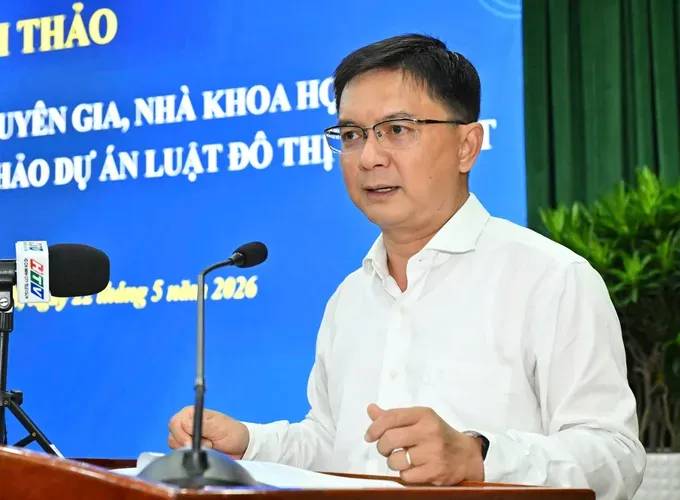
Officials also requested participants to offer insights into necessary safeguards ensuring large scale models like special administrative-economic units, special economic zones (including the free trade zone under National Assembly Resolution 260 and the international financial center under National Assembly Resolution 222) as well as marine economy development strategies can robustly thrive in HCMC today.
Vice Chairman Nguyen Manh Cuong underscored that once ratified by the National Assembly, the Special Urban Law will serve as a pivotal legal bedrock shaping the megacity’s governance model. It’ll effectively propel HCMC into a regional and global hub for economics, finance, and technology, transforming it into a global metropolis by 2075. The city commits to absorbing expert contributions.
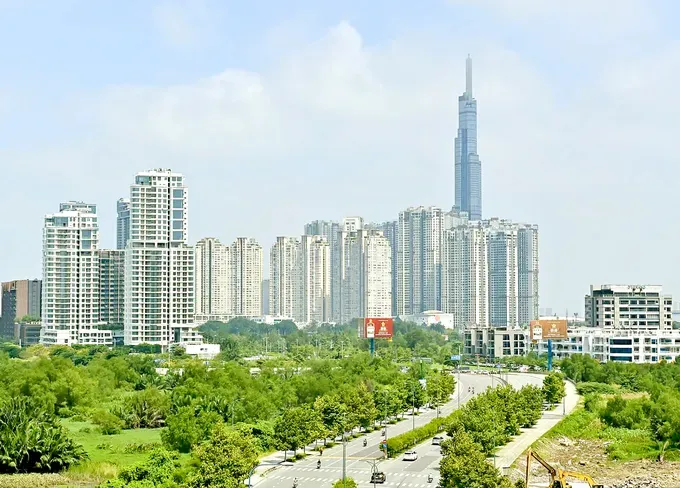
Fundamental contents of drafted Special Urban Law
- Chapter I (General Provisions) delineates the scope of regulation, position, and role of the special urban area. It explains concepts like land-reclamation urban area and island urban area while introducing three novel public and private partnership models, namely public leadership paired with private governance, public investment coupled with private management, and private investment destined for public utilization. Furthermore, this chapter establishes the principle of comprehensive decentralization. It clearly separates jurisdictional boundaries among the People’s Council, the People’s Committee, and the Chairman of the HCMC People’s Committee across sectors, excluding national defense and security.
- Chapter II (Provisions on government organization, public service regimes, and the promulgation of normative legal documents) mentions highly specific mechanisms regarding the structural organization of the urban government apparatus. It grants the authority to issue normative legal documents that diverge from Central Government regulations to better suit practical demands, alongside a mechanism to pilot brand-new policies for a maximum duration of five years, with a potential extension not exceeding another five years.
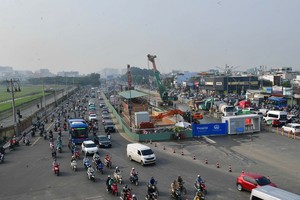
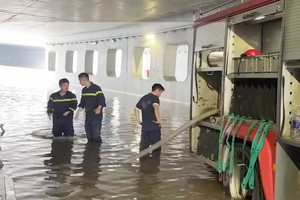
- Chapter III (Provisions on urban planning, construction, development, order and safety) broadens the administrative authority to manage and exploit underground spaces, as well as low-altitude and high-altitude airspaces. It aims to boost urban and housing development, featuring models like riverside, island, and land-reclamation urban areas, along with transit-oriented development (TOD). Concurrently, it stipulates intricate mechanisms governing transport infrastructure, logistics, and urban order and safety.
- Chapter IV (Provisions on socio-economic and cultural development) includes mechanisms designed to foster state-owned enterprises, the marine economy, emerging economic models, free trade zones, integrated logistics hubs, export processing zones, industrial parks, as well as energy infrastructure and industries. Simultaneously, it lays out tailored mechanisms for culture, sports, tourism, the night-time economy, education, healthcare, and social welfare.
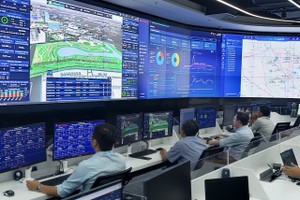
- Chapter V (Science, technology, innovation, and digital transformation) effectively carves out a legal corridor for controlled testing environments (sandboxes), venture capital funds, as well as the robust development of high-tech parks and scientific-technological innovation urban centers.
- Chapter VI (Resources for Special Urban Area development) codifies mechanisms for financial and budgetary autonomy. It expands the jurisdiction to authorize investment guidelines, manage and exploit public assets and resources, while actively attracting and valuing high-quality human capital, alongside attracting and incentivizing lucrative investments.
- Chapter VII (Regional linkage, development, and environmental protection) distinctly defines the HCMC Special Urban Region, outlining the core objectives and principles of regional connectivity. It details the mechanisms for investing in and managing regional development linkage projects, paired with rigorous environmental protection and climate change adaptation strategies within this special urban zone.
- Chapter VIII (Supervision, inspection, and accountability) delineates the explicit responsibilities of the National Assembly, the Government, various ministries, agencies, and the City’s administration regarding the monitoring, inspection, and handling of violations, right alongside mechanisms for exclusion and exemption from legal liability.
- Chapter IX (Implementing provisions) formally sets forth the legal enforcement validity and essential transitional clauses.
)