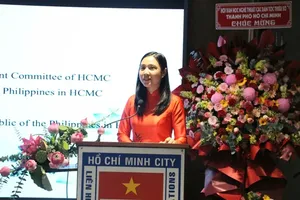
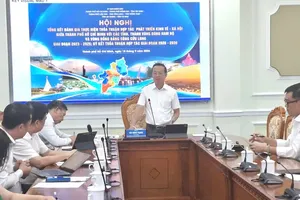
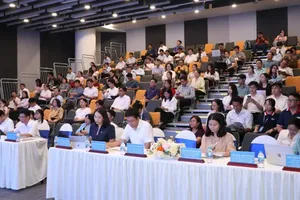
The HCMC People’s Committee held a consultation workshop with experts, scientists, and intellectuals on the draft Law on Special Urban Areas on the morning of May 22. The event was chaired by Mr. Nguyen Manh Cuong, Vice Chairman of the HCMC People’s Committee; Mr. Truong Minh Huy Vu, Director of the HCMC Institute for Development Studies; and Ms. Nguyen Thi Hong Hanh, Director of the HCMC Department of Justice.
Redefining the “HCMC Urban Region”
Dr. Tran Du Lich, Member of the National Financial and Monetary Policy Advisory Council, noted that, unlike previous pilot resolutions with limited duration, the Law on Special Urban Areas would serve as a long-term and stable legal framework for the city. In his view, the timing is ripe for meaningful decentralization and delegation of authority to local governments.
He proposed that the law focus on three key areas: decentralizing decision-making powers, streamlining administrative procedures, and granting the city greater authority to formulate its own policies. In particular, HCMC should be given greater autonomy over local budget revenues.
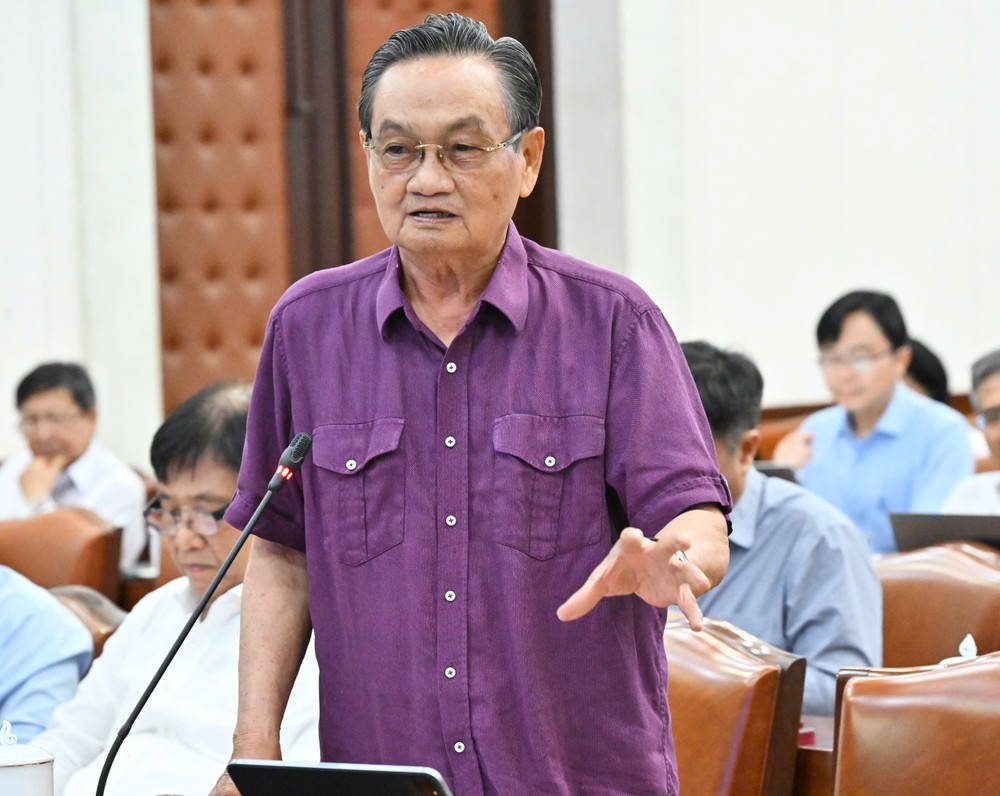
According to Dr. Tran Du Lich, funds allocated by the central government remain subject to oversight by the National Assembly. However, under the proposed law, locally generated revenues would become part of the city’s own budget, empowering the municipal People’s Council to make decisions and bear full responsibility for their use.
He stressed that the city was “asking for mechanisms, not money,” meaning it needed the authority to create revenue sources and proactively invest in development. He also recommended expanding local powers over organizational structure, staffing quotas, and civil service policies under the two-tier local government model, while granting more authority to department directors and the chairman of the municipal People’s Committee to reduce excessive meetings and cumbersome procedures.
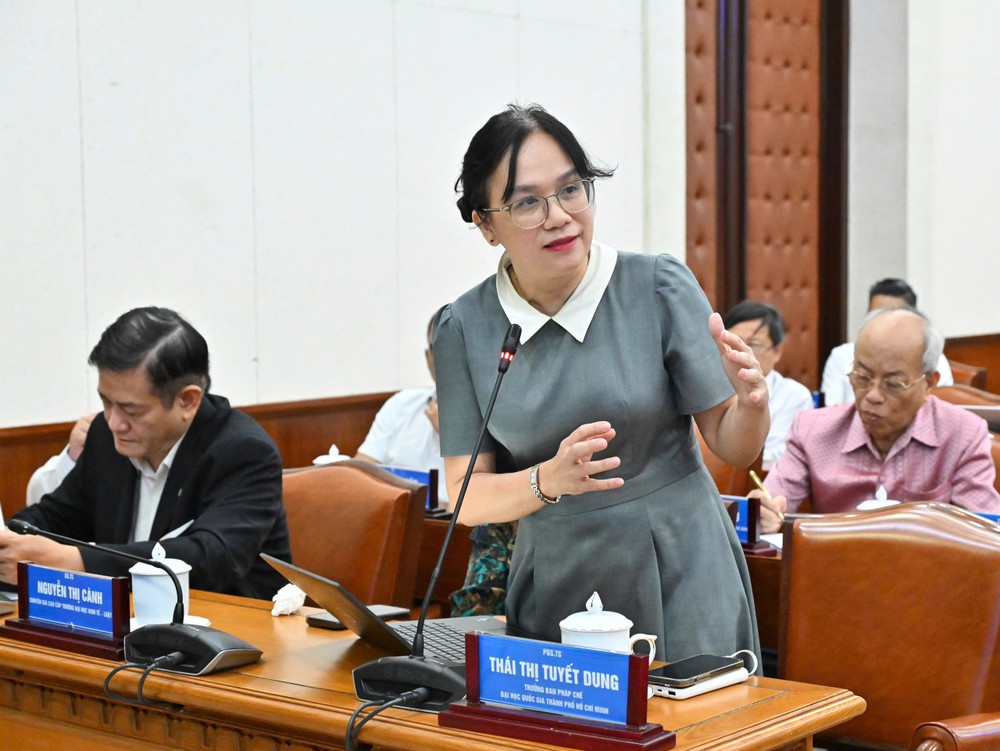
Regarding regional connectivity, Associate Professor Dr. Thai Thi Tuyet Dung, Head of the Legal Affairs Department at Vietnam National University-HCMC, suggested that the urban region should encompass HCMC and neighboring provinces sharing contiguous administrative boundaries. She also proposed establishing a regional coordination council to resolve current coordination bottlenecks.
Sharing a similar view, Associate Professor Dr. Phung Chi Sy argued that extending the special urban region across the entire Southeast region, the Mekong Delta, the South Central Coast, and the Central Highlands would be overly broad and difficult to manage effectively. Instead, he proposed limiting the region to HCMC and adjacent localities within the Dong Nai River basin, including Tay Ninh, Binh Duong, Dong Nai, Long An, and Lam Dong, to better address infrastructure, flood control, and environmental challenges.
Proposal for five specialized urban models
Dr. Architect Ngo Viet Nam Son said the current draft only addressed free trade zones and transit-oriented development (TOD), which would be insufficient to generate new growth drivers for HCMC. He proposed incorporating five specialized urban models into the law: free trade zones, international financial centers, TOD urban areas, airport cities, and knowledge cities.
According to Mr. Ngo Viet Nam Son, HCMC currently lacks sufficient authority to comprehensively manage areas surrounding Tan Son Nhat International Airport. If codified into law, the city would have greater autonomy in planning development zones linked to both Tan Son Nhat and Long Thanh airports. Meanwhile, the knowledge city model would help connect universities, high-tech parks, and innovation hubs to form new growth poles.
He also proposed granting the HCMC People’s Council and People’s Committee authority over project boundaries, land pricing policies, compensation, resettlement, and land auctions for these models. In cases where conflicts arise with existing laws, HCMC’s special mechanisms should take precedence to avoid prolonged approval procedures.
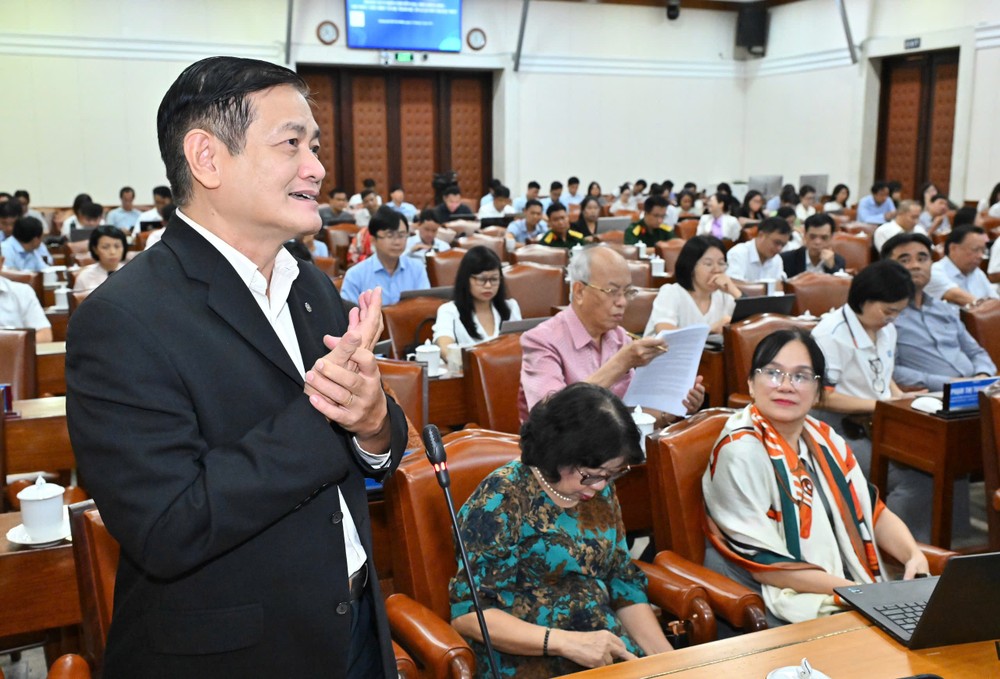
Mr. Ngo Viet Nam Son warned that focusing solely on commercial value without social welfare considerations could push low-income residents farther away from public transport corridors. He recommended reserving 20-30 percent of land surrounding TOD projects for social housing or low-cost rental housing.
Addressing shortcomings in urban conservation, he also called for clearer legal provisions defining the powers and responsibilities of the city’s chief architect in planning, urban renewal, and preservation of the downtown core. In addition, the city should establish mechanisms requiring developers of high-rise projects to share infrastructure and environmental costs associated with traffic congestion, flooding, and urban pollution.
To secure long-term funding for metro development, Mr. Ngo Viet Nam Son proposed allowing HCMC to retain 25-30 percent of its budget revenues to create a stable financial source for strategic infrastructure investment.
Meanwhile, Associate Professor Dr. Thai Thi Tuyet Dung said the draft law had yet to devote sufficient attention to education and healthcare, despite these being among HCMC’s strongest sectors. She proposed financial mechanisms for universities and top-tier hospitals operating in the city, along with policies to attract foreign experts and scientists in strategic fields.
Facing growing shortages of upper secondary school capacity, she also suggested permitting high schools to be established within major university campuses, such as Vietnam National University-HCMC, in order to better utilize existing resources and meet residents’ educational needs.
Concluding the workshop, Vice Chairman Nguyen Manh Cuong stated that city leaders viewed the Law on Special Urban Areas as a highly important and historic mission aimed at institutionalizing the directives and conclusions of Party and State leaders regarding HCMC’s future development.
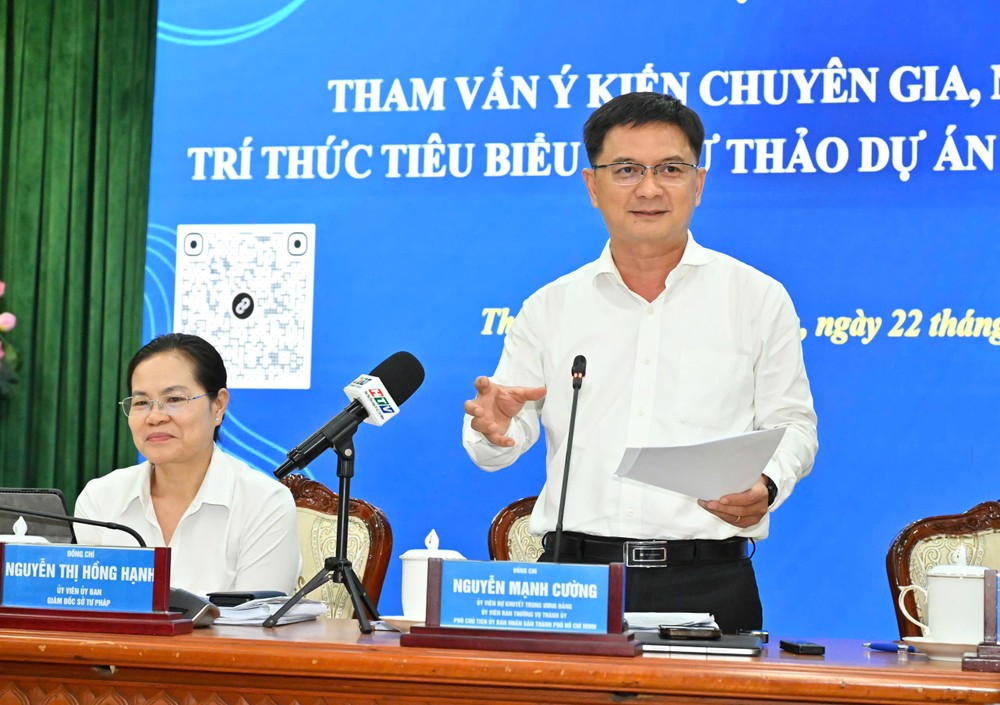
“This is not merely about creating an exceptional legal framework for the city’s growth, but also about pioneering a modern urban governance model that contributes to the broader institutional development of the country in the new era,” he said.
Mr. Nguyen Manh Cuong added that the draft law has, so far, received strong consensus and support from experts and scientists. Independent perspectives, critical analyses, and policy recommendations have helped the city identify issues requiring revision and further refinement in the next stages of the drafting process.

)