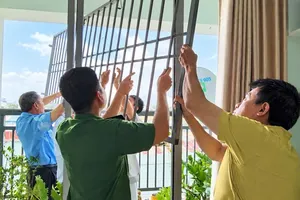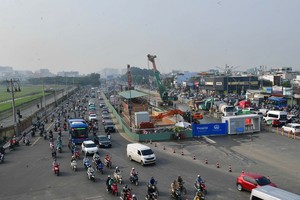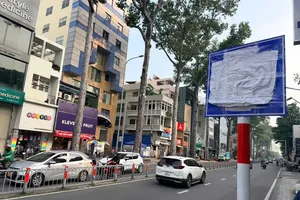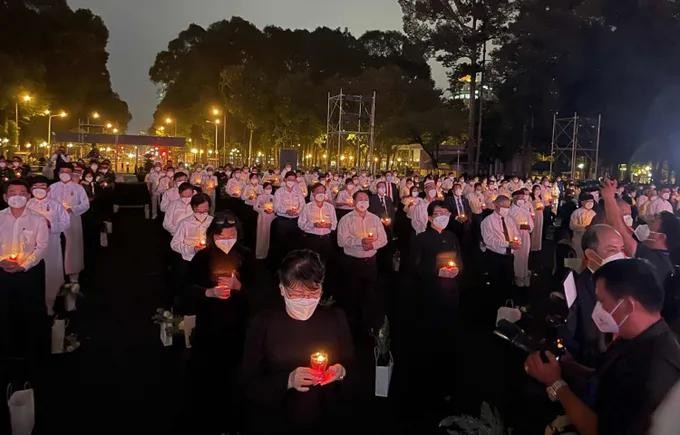
Yesterday, Ho Chi Minh City Party Secretary Tran Luu Quang and Chairman of the City People’s Committee Nguyen Van Duoc personally inspected the renovation of nine unused plots of land in the city center, which are being converted into green spaces for the community in time for the 2026 Lunar New Year.
The sight of corrugated iron fences being dismantled on long-idle plots has energized the city and signaled a breakthrough in how urban land is managed and utilized. This initiative goes beyond short-term beautification, which marks a strategic shift in Ho Chi Minh City’s urban renovation orientation, focusing on turning underused assets into shared public value.
For years, slow-moving projects on prime land have blighted the cityscape and wasted valuable resources. High fences surrounding these empty sites not only marred the urban landscape but also created a sense of separation between city spaces and daily life. Transforming these areas into public parks and gardens will reconnect people with their surroundings and enrich community life.
The initiative underscores the city’s commitment to prioritizing the social value of land, especially in densely populated areas where public spaces are scarce. By converting prime plots into gardens and parks, residents will gain more places to walk, relax, and enjoy greenery while the city benefits from cleaner air and improved environmental quality.
This policy aligns closely with the Resolution of the First Congress of the Ho Chi Minh City Party Committee for the 2025–2030 term, which identifies comprehensive human development and improved quality of life as key goals. Converting idle land into community spaces is a tangible step toward fulfilling that vision, reflected in higher human development indicators, a better living environment, and broader access to public services.
Public sentiment has long echoed this need. At meetings with constituents, many residents voiced concern over vacant plots left unused while public parks remain limited. The city’s recent decisions show responsiveness to those calls combining careful listening with decisive action.
Projects such as the new park and Covid-19 memorial at 1 Ly Thai To Street, and the conversion of nine downtown plots into temporary gardens, reflect Ho Chi Minh City’s determination to enhance urban livability through efficient land use.
From these initial successes, a broader question emerges: how to turn temporary park conversions into a lasting, well-managed solution. This requires clear mechanisms for overseeing slow-developing land projects, transparent processes for public space management, and active participation from businesses and the community in maintaining these green areas.
Opening up these once-closed plots symbolizes more than a physical change which represents a shift toward a more open, human-centered urban philosophy. Each land-use decision now reflects the city’s highest goal including improving quality of life and shaping a Ho Chi Minh City that is greener, friendlier, and sustainably developed.
)