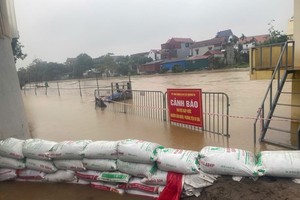
The Department of Hydraulic Work Management and Construction under the Ministry of Agriculture and Environment has issued an urgent warning for provinces from the Northeast to Nghe An, urging proactive measures to safeguard reservoirs, irrigation systems, and rural water supplies as heavy rainfall and thunderstorms are forecast from August 21–22, with localized totals potentially exceeding 300 mm.
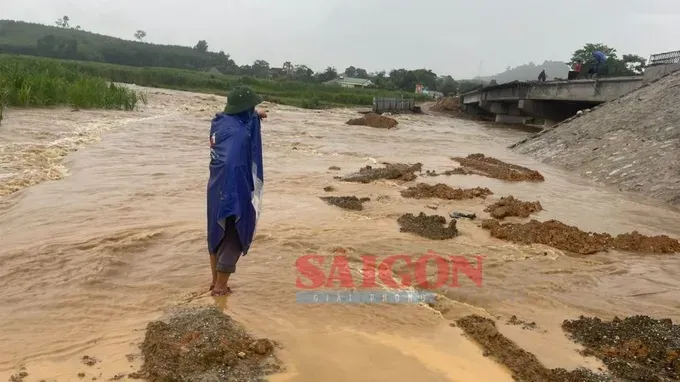
The Department of Hydraulic Work Management and Construction under the Ministry of Agriculture and Environment has urged localities stretching from the Northeast region to Nghe An Province to proactively respond to heavy rainfall and ensure the safety of reservoirs, irrigation infrastructure, and rural domestic water supplies.
Residents are advised to proactively store clean water at home in case water supplies are disrupted.
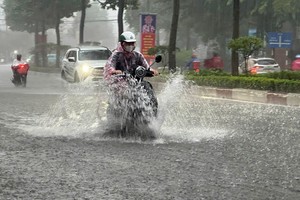
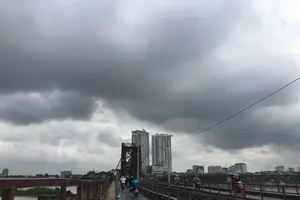
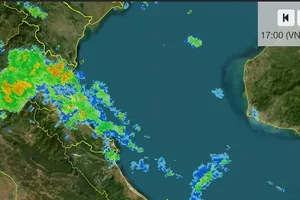
At noon today, the Department warned that from August 21 through the night of August 22, the Northeast region and Thanh Hoa Province would experience moderate to heavy rain and thunderstorms; rainfall is expected to range from 70 mm –150 mm, with localized totals exceeding 300 mm.
Authorities have warned of potential high-intensity rainfall, exceeding 120 mm within a three-hour period. On August 21, Nghe An Province is also expected to see moderate to heavy rain and thunderstorms, with rainfall generally between 20 mm–40 mm and localized totals exceeding 80 mm.
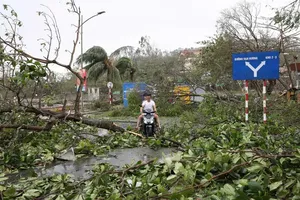
According to the Department, the risk of heavy rain means that some areas, particularly downstream of reservoirs, may face flooding; residents should proactively store clean water for daily use. Heavy rains and floods could compromise water sources or damage rural water supply systems. Residents are encouraged to prepare an adequate water supply for their households while using water safely and sparingly.
Residents living downstream of reservoirs should closely monitor announcements from local authorities and reservoir management agencies. Reservoirs equipped with flood discharge gates should base their operational plans on rainfall forecasts to lower water levels in anticipation of incoming floodwaters, ensure structural safety, and issue early warnings to the public before discharging water.
Reservoirs that are structurally compromised, deteriorating, or present safety hazards must restrict or suspend water storage operations. During periods of heavy rainfall and flooding, residents are strongly advised to avoid dams, spillways, and other potentially unsafe structures.
The Department of Hydraulic Work Management and Construction also requires reservoirs, whether currently at low storage levels or entering their permitted water-impoundment period, to review their plans and proactively store water in alignment with rainfall forecasts.
Water impoundment aims to proactively mitigate drought and water shortages during the upcoming dry season which influenced by El Niño phenomenon while ensuring absolute safety for the infrastructure and avoiding irregular flood discharges





)