The Vietnam Meteorological and Hydrological Administration under the Ministry of Agriculture and Environment forecast on the afternoon of August 19 that El Niño is likely to remain strong to very strong through the end of 2026.
The number of storms and tropical depressions over the East Sea is expected to be below the long-term average.

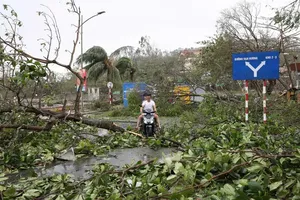
According to data from the National Center for Hydro-Meteorological Forecasting, four to six storms and tropical depressions may form over the East Sea from now until the end of the year, with one to three potentially making landfall in Vietnam.
From August to December, the long-term average is 9.6 storms and tropical depressions over the East Sea, of which 3.8 directly affect mainland Vietnam.
In September, hot weather is expected to persist from Thanh Hoa to Hue and along the South Central Coast. The number of hot days is forecast to exceed both the long-term average and the level recorded during the same period last year.
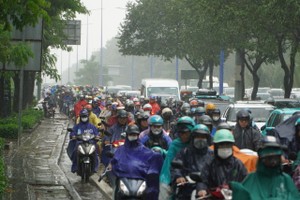
The meteorological and hydrological agency said that moderate to heavy rains would continue in many parts of the country through October.
In November, rainfall is expected to fall below the long-term average, particularly from Ha Tinh to Hue and along the South Central Coast.
According to the Meteorological and Hydrological Administration, the rainfall deficit could affect winter-spring and summer-autumn crops, industrial crops, water supplies in reservoirs and power generation in the Central region.
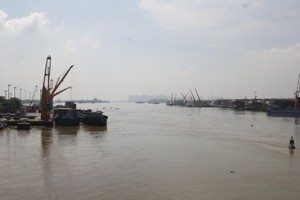
In the Central Highlands and Southern region, the rainy season is likely to end early this year. The risk of saltwater intrusion in the South is also expected to be higher and potentially more severe than the long-term average.
Due to the influence of El Niño, the Northern region may experience a warmer-than-usual winter in the coming months. Cold air outbreaks are expected to be weaker than the long-term average through the end of the year.
Severe and extreme cold spells are expected to arrive later than usual, with fewer days of severe and extreme cold than the average for the same period.










)