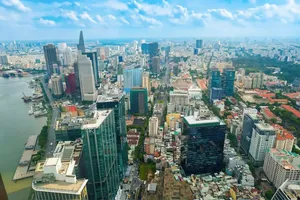
The economy closed 2025 on a high note. According to the General Statistics Office (GSO) under the Ministry of Finance, released on January 5, the country achieved impressive growth across multiple sectors cementing its position as a leading performer in the region.
Strong growth momentum
Gross Domestic Product (GDP) expanded by 8.46 percent in the fourth quarter of 2025 compared to the same period last year, the highest fourth-quarter growth rate since 2011. Each quarter of 2025 saw stronger performance than the previous one, with growth rates of 7.05 percent in the first quarter, 8.16 percent in the second, and 8.25 percent in the third.
For the full year, GDP rose by 8.02 percent nearly matching the record pace set in 2022. Per capita income also climbed significantly, reaching an estimated VND125.5 million per person (about US$5,000), up US$326 from 2024.
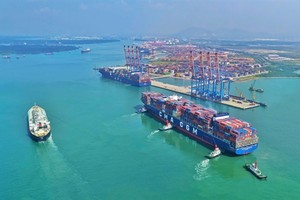
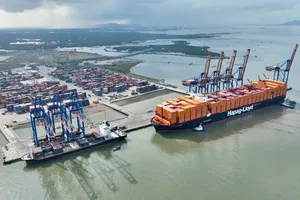
Trade continued to be one of the key bright spots. Total import and export turnover for 2025 is projected to exceed US$930 billion, up 18 percent year-on-year. Exports reached over US$475 billion (up 17 percent), while imports surpassed US$455 billion (up 19 percent), resulting in a trade surplus of more than US$20 billion.
With a decade of continuous trade surpluses since 2016, Vietnam has strengthened its foreign exchange reserves and maintained currency stability, solidifying its reputation as one of the world’s most open economies.
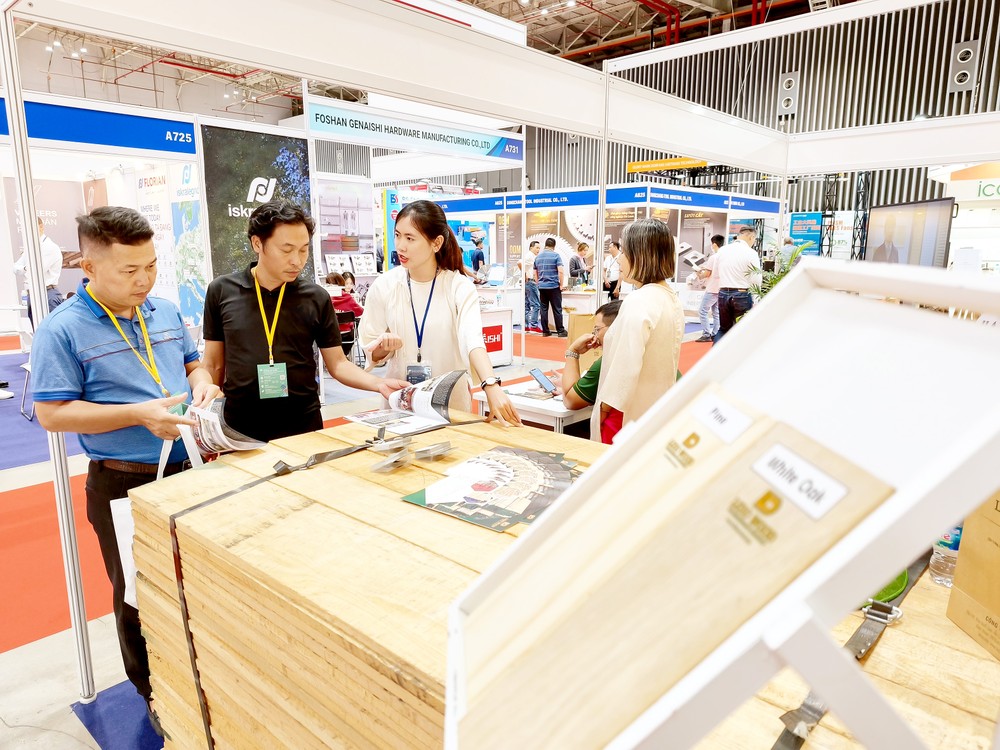
Foreign direct investment (FDI) also posted encouraging results in the last months of 2025. Notable projects include the Aeon Mall Bien Hoa shopping center in Dong Nai Province, worth US$261.1 million, and the Phu My 3 chemical production project in Ho Chi Minh City, valued at US$203.6 million .
New thinking, new momentum
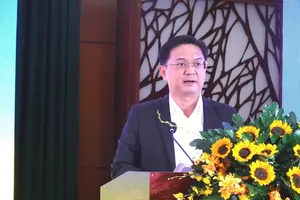
According to Associate Professor Tran Dinh Thien, former Director of the Vietnam Institute of Economics, one of the most remarkable aspects of 2025 was a shift in Vietnam’s development mindset.
“For the first time, we have clearly affirmed that the private sector is the core pillar and key driving force of growth,” he said. “Equally important is the new relationship between the State and enterprises moving from dependence to co-creation. This fosters greater market dynamism and more effective, adaptive policy solutions.”
Another notable achievement was Vietnam’s calm and flexible response to global trade challenges, including reciprocal tariffs that disrupted global flows. “Vietnam’s ability to stay proactive and regain control in this environment demonstrates strong resilience and management capacity,” he noted.
Nguyen Thi Huong, Director General of the GSO, described the 2025 results as a reflection of “high determination, timely action, and close coordination across all levels of government, businesses, and citizens.”
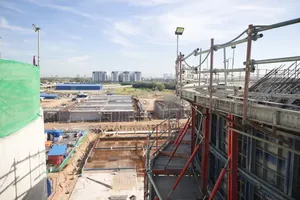
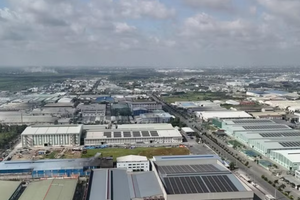
To sustain this momentum, the GSO recommends that the country in 2026 should continue prioritizing growth while safeguarding macroeconomic stability and maintaining key economic balances. The Government is urged to accelerate public investment disbursement especially for major national infrastructure projects and further modernize the industrial sector to enhance productivity and quality.
At the same time, Vietnam should boost exports, diversify markets, expand supply chains, stimulate domestic consumption, and promote tourism. Effective social welfare policies are also essential to ensure inclusive, sustainable growth, she added.
Over 300,000 new and reactivated businesses reflect private sector momentum
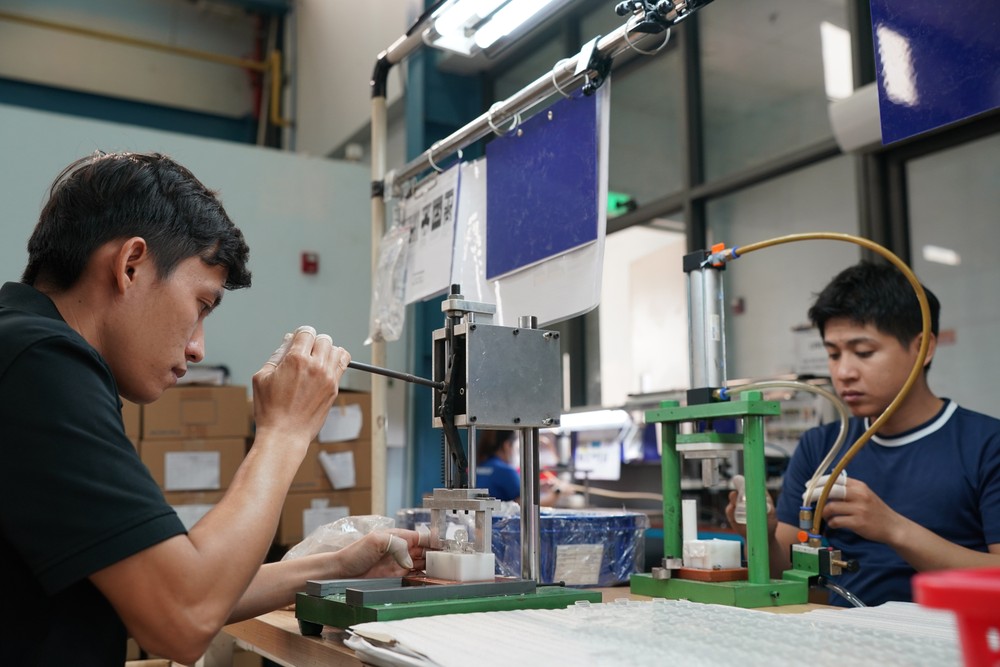
The Politburo’s Resolution No. 68-NQ/TW on developing Vietnam’s private economy has produced tangible results after eight months of implementation, marked by a strong surge in new business formations and reactivations. On average, more than 18,000 new enterprises are established and 11,300 inactive ones resume operations each month, an increase of over 46 percent compared to the first four months of the year.
By the end of 2025, the total number of new and reactivated businesses is projected to exceed 300,000, up more than 30 percent year-on-year, with total registered capital surpassing VND6 quadrillion, an impressive 71 percent increase compared to 2024. This growth will bring the total number of active enterprises nationwide to nearly 1.1 million.
Alongside this business resurgence, three nationwide groundbreaking and inauguration phases have been carried out, resulting in 564 major national projects with a combined investment of more than VND5.14 quadrillion. Of this, private capital contributes around VND3.8 quadrillion.
These figures underscore the effectiveness of the Party’s policy of leveraging public investment to stimulate private sector participation mobilizing and efficiently utilizing all social resources to foster comprehensive national development.