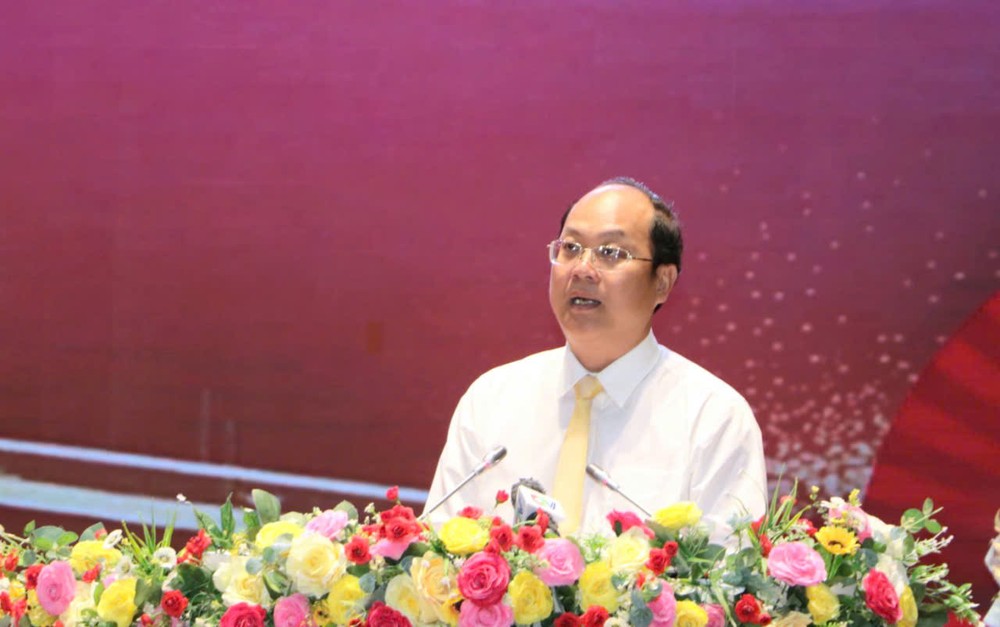
Addressing the event, Mr. Nguyen Ho Hai, Member of the Party Central Committee and Secretary of the Ca Mau Provincial Party Committee, underscored the pivotal role of the private sector as a dynamic engine of growth. He noted that private enterprises have made substantial contributions to economic expansion, job creation, budget revenues, and the restructuring of the provincial economy.
To realize the target of double-digit growth in the coming years, he urged businesses to proactively embrace innovation, digital transformation, and green transition strategies. He also called for stronger value-chain linkages, brand building, and enhanced competitiveness, encouraging enterprises to channel investment into sectors with significant untapped potential and comparative advantages.
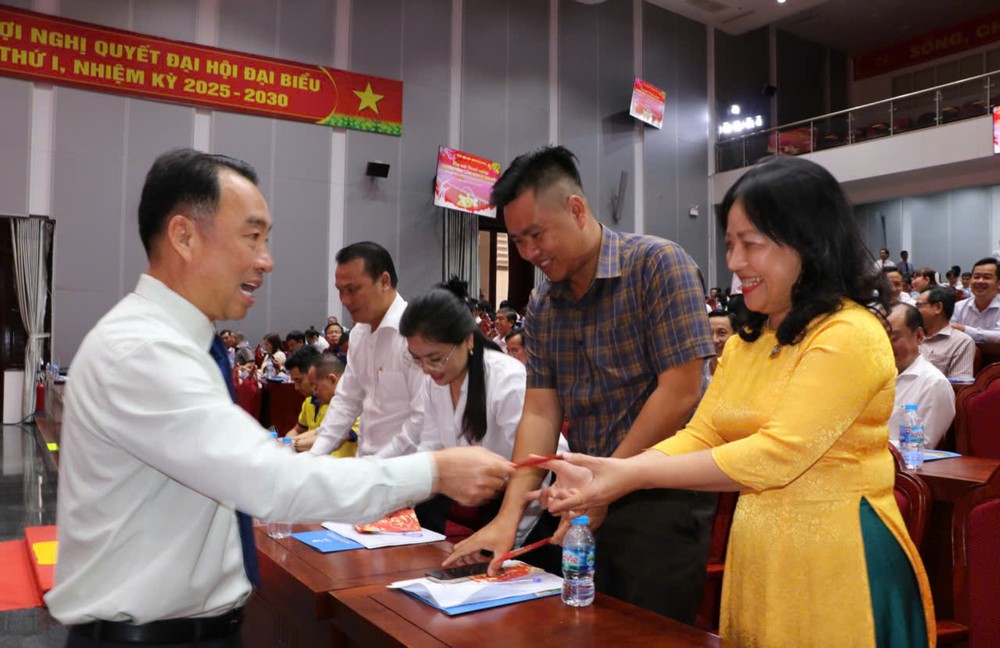
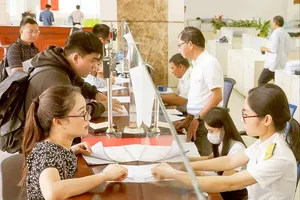
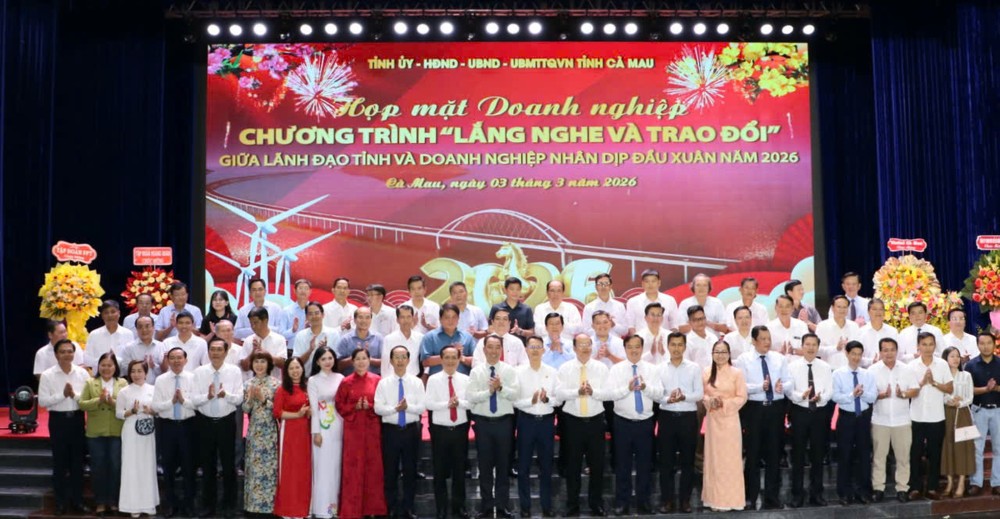
During the dialogue, businesses raised a range of proposals, including accelerating digital transformation and the application of science and technology, upgrading workforce quality, improving the investment climate, and further streamlining administrative procedures.
A highlight of the forum was a proposal by Minh Phu Seafood Group, which recommended that Ca Mau adopt three large-scale shrimp farming models to consolidate its position in the sector.
The first model, rice–shrimp farming, would span more than 30,000 hectares, integrating paddy cultivation with shrimp production to develop a premium “clean shrimp” brand. The second, intensive and super-intensive shrimp farming, projected to cover over 50,000 hectares, would deploy advanced biotechnology to lower production costs and strengthen disease control. The third, shrimp–forest farming, would encompass approximately 30,000 hectares, maintaining a 50:50 ratio between shrimp and forest areas to secure international ecological certification and reinforce Ca Mau’s distinctive competitive edge.
In tandem with these models, the group proposed developing an “urban-industrial park” embedded within shrimp-farming industrial zones. This integrated model would synchronously develop processing plants, residential areas, schools, healthcare facilities, and transport infrastructure. The goal is to stabilize the workforce by improving living conditions, reduce logistics and operational costs for businesses, and ultimately enhance overall competitiveness.
Minh Phu representatives expressed confidence that if the province can secure high-quality raw material supply and cultivate a stable labor force through this urban-industrial model, the 2026–2030 period could mark a decisive breakthrough. The ambition, they said, is for Ca Mau to move beyond its current status as Vietnam’s “shrimp capital” and emerge as a global hub for ecological and high-tech shrimp production.
Investor proposes US$10 billion mega-project in coastal Ca Mau
On the same day, Mr. Nguyen Ho Hai and members of the provincial Party Standing Committee met with Xuan Thien Group to discuss a major investment proposal targeting Ca Mau’s coastal zone.
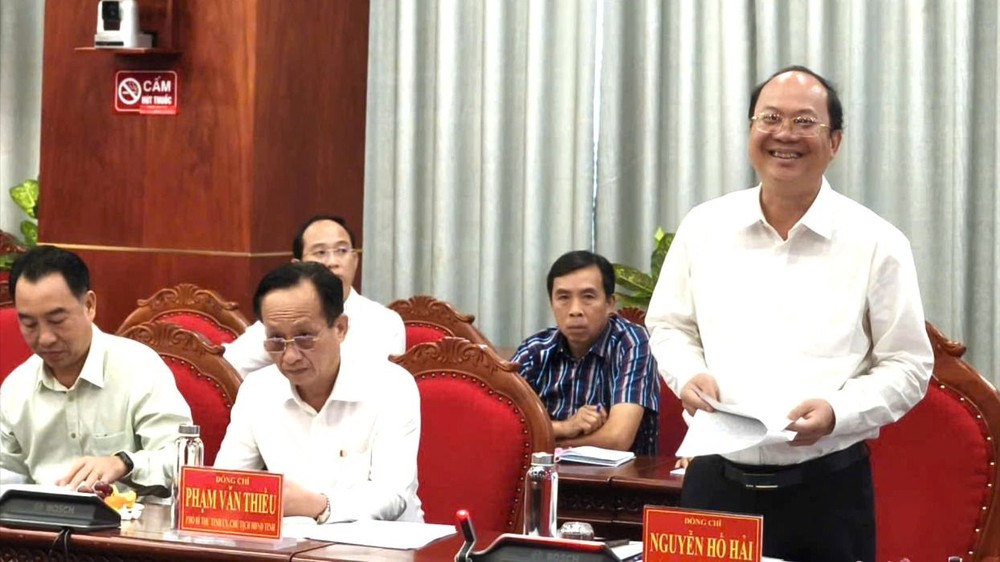
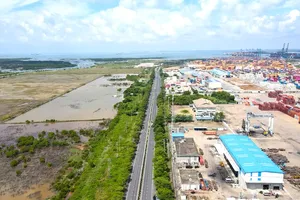
Mr. Nguyen Van Thien, Chairman of Xuan Thien Group, said the conglomerate had conducted extensive research into Ca Mau’s natural conditions and development potential. The province’s coastal geography, he argued, is well suited for sea reclamation and land accretion projects to support a closed-loop circular economy along the shoreline.
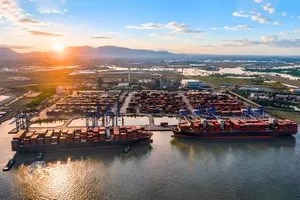
On that basis, Xuan Thien Group proposed developing a multi-sector complex combining industrial and agricultural production with urban development, tourism, port logistics services, and energy infrastructure near Hon Khoai Port. The proposed project would span more than 276,000 hectares, with total investment capital estimated at VND260 trillion (approximately US$10 billion). Once operational, the complex is expected to create around 100,000 jobs and contribute tens of trillions of Vietnamese dong annually to the local budget.
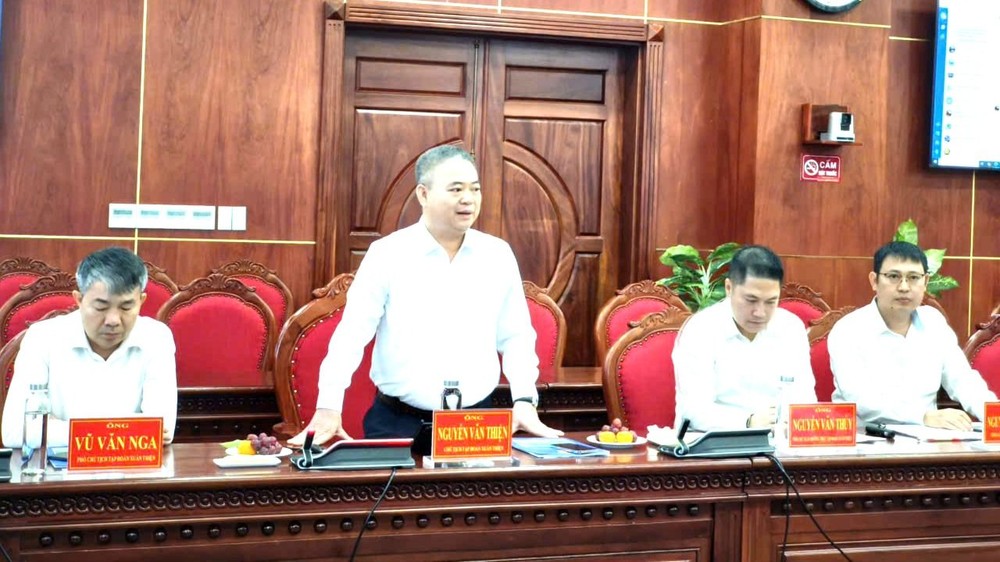
The group pledged that, if granted approval in principle, it would mobilize resources to ensure synchronized implementation and adherence to schedule, allocate funding to launch key components as early as 2026, prioritize local labor recruitment, and partner with the province in social welfare initiatives.
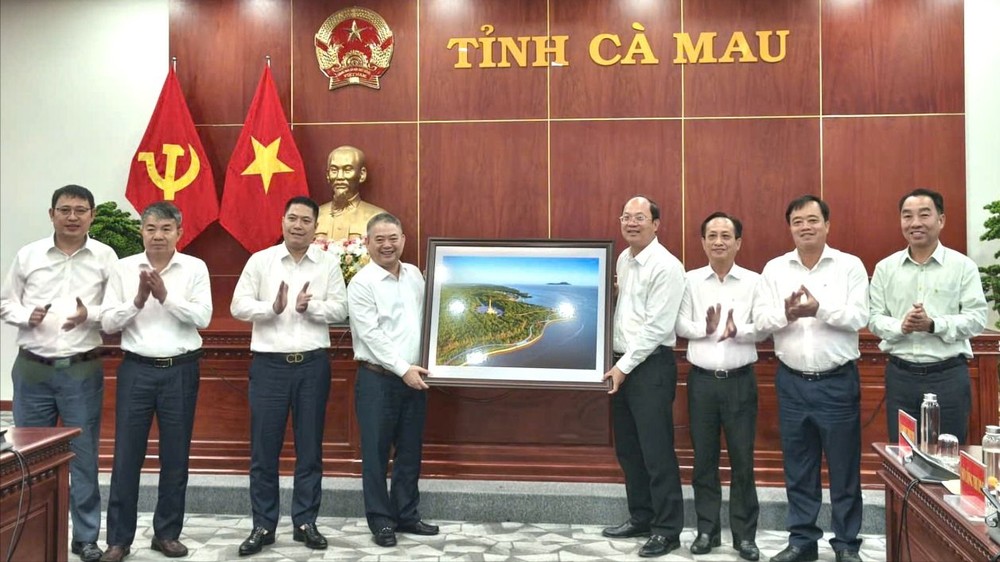
In response, Secretary Nguyen Ho Hai reaffirmed the provincial leadership’s commitment to accompanying and facilitating investors. He stressed that Ca Mau stands ready to create optimal conditions for enterprises to conduct field surveys before formal investment decisions are made. For institutional or policy bottlenecks, he encouraged businesses to proactively raise concerns so that the province can jointly petition central authorities for tailored, special mechanisms to unlock strategic projects.