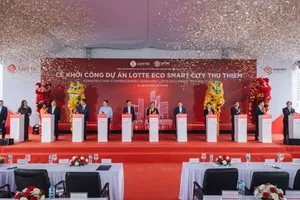
Resolution No. 09-NQ/TW of the Politburo was issued in response to both the aspirations and urgent development demands of Ho Chi Minh City. By placing people's satisfaction, well-being, and happiness at the center of governance, the resolution has garnered broad public support and created fresh momentum for the city to achieve its long-term strategic ambitions.
Floods and traffic gridlock highlight Ho Chi Minh City’s governance bottlenecks
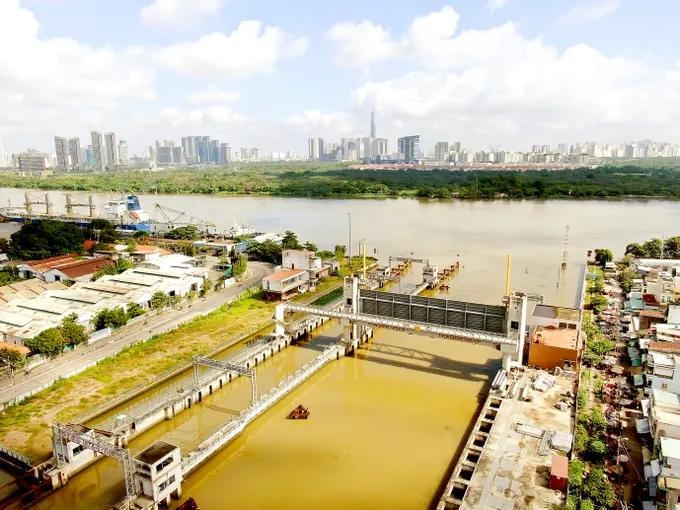
Following a heavy downpour on a June afternoon, several major roads in Ho Chi Minh City were submerged, triggering severe traffic congestion. On National Highway 13, an aging drainage system left large sections inundated, forcing vehicles into gridlock. Even under normal conditions, the stretch from Binh Phuoc Intersection to Binh Trieu Bridge, along with Dinh Bo Linh and Xo Viet Nghe Tinh streets, regularly experiences chronic congestion during peak hours.
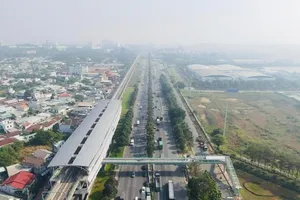
Flooding and traffic congestion are among the four long-standing challenges that General Secretary and President To Lam has identified as requiring urgent solutions. Although the city has invested significant efforts in addressing these issues, many infrastructure projects remain stalled due to land clearance difficulties and protracted investment procedures. These obstacles have exposed the limitations of the current institutional framework and intensified development pressures on the city.
Experts argue that Ho Chi Minh City's greatest challenge is no longer a lack of resources or ambition, but rather insufficient autonomy and flexibility in urban governance.
Lecturer Do Thanh Trung at the Faculty of Administrative and State Law of Ho Chi Minh City University of Law said issues ranging from infrastructure and urban planning to public finance, population management, innovation, international competitiveness, and regional coordination require a more dynamic, flexible, and effective governance model suited to a new stage of development.
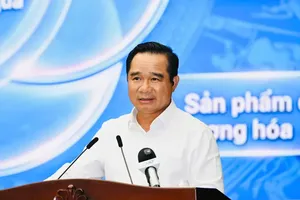
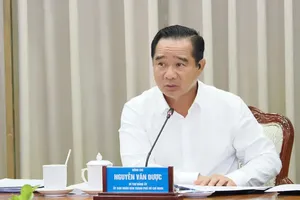
According to Chairman Nguyen Van Duoc of the Ho Chi Minh City People's Committee, the city has consistently received strong support and guidance from the central government. Special policy frameworks, including Resolutions 98, 260, and 188, have served as important catalysts for development.
However, their pilot and time-limited nature has prevented them from providing a stable, long-term policy foundation for businesses to confidently expand investment and operations. The Politburo's issuance of Resolution No. 09-NQ/TW is therefore seen as a significant opportunity for Ho Chi Minh City to accelerate growth, pursue double-digit economic expansion, and achieve rapid, sustainable development.
At the same time, the central government has approved the drafting of a Law on Special Urban Areas. Mr. Nguyen Van Duoc said institutionalizing special mechanisms through legislation would establish a transparent and predictable legal framework, strengthening investor confidence and creating favorable conditions for businesses to expand, thereby contributing to the city's development goals and the country's broader economic growth.
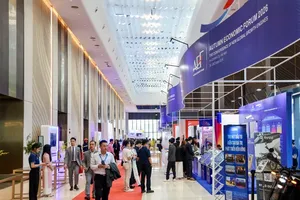
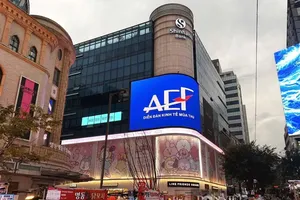
Under the resolution, Ho Chi Minh City is expected to lead the nation in institutional innovation, development quality, and governance standards while maintaining its role as the country's economic engine, innovation hub, and gateway for international integration.
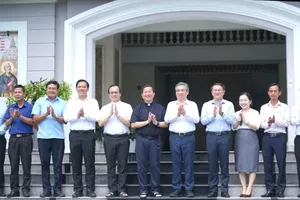
At a conference dedicated to studying and implementing Resolution No. 09-NQ/TW, Ho Chi Minh City Party Secretary Tran Luu Quang affirmed the city’s commitment to its major responsibilities as entrusted by the Party Central Committee. Guided by the spirit of mutual support between the city and the nation, the leadership is dedicated to advancing development in the new era, requiring every cadre and Party member to translate the resolution's vision into concrete, results-oriented actions.
Resolution 09-NQ/TW charts Ho Chi Minh City’s path to global megacity
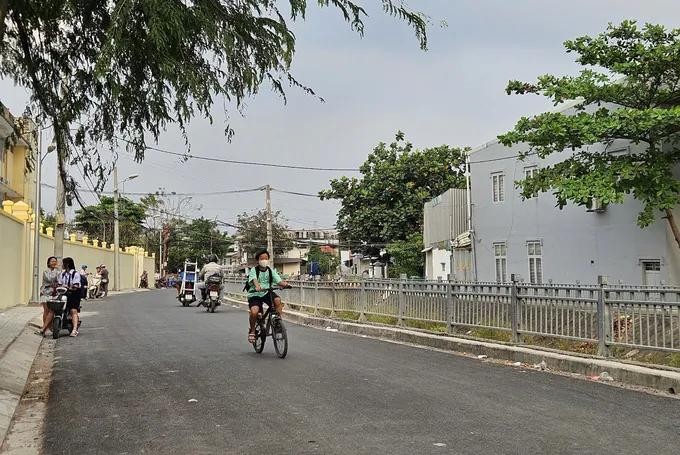
The Politburo’s Resolution 09-NQ/TW establishes a long-term strategic vision for Ho Chi Minh City, aiming for its transformation into a smart, modern, and globally competitive hub by 2075 that balances green growth, high living standards, and climate resilience. The resolution mandates clear developmental milestones, targeting an average GRDP per capita of at least US$75,000 by 2045 and rising to at least US$100,000 by 2075.
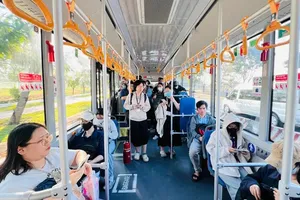
According to experts, behind these figures lies the requirement for a comprehensive transformation of the urban development model from extensive to intensive, based on science and technology, innovation, the digital economy, and quality governance. More importantly, growth must go hand in hand with the ability to address essential needs of the population, such as more convenient transportation, a better living environment, more social housing, and more efficient public services.
Tran Du Lich, Ho Chi Minh City's double-digit growth target is achievable if the city is granted full autonomy in investment, finance, and urban governance.
Resolution 09-NQ/TW also mandates enhancing management capacity and evaluating official performance based on concrete outcomes. This strategy includes optimizing workforce utilization while establishing a competitive salary, remuneration, and incentive framework designed to attract and retain high-caliber talent in alignment with the city's unique development requirements.
Dinh Hong Ky, Vice Chairman of the Ho Chi Minh City Business Association, believes this is an opportunity to design a new governance model for a globally competitive megacity. Once the appropriate mechanisms are in place, the crucial step is to transform those mechanisms into driving forces for development and practical value.
Local authorities, businesses, and experts collectively demand an effective, dynamic, and proactive urban governance system that prioritizes citizen quality of life. The alignment of leadership vision with public aspirations for innovation creates the necessary momentum for Ho Chi Minh City to enter a new phase of development, characterized by a broader economic scale and improved living standards.