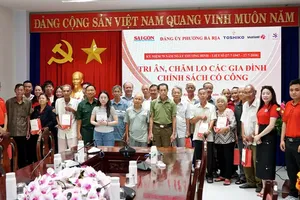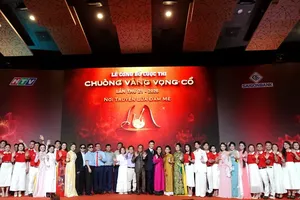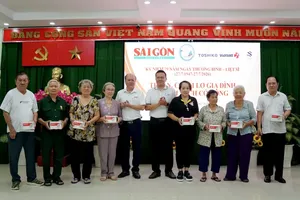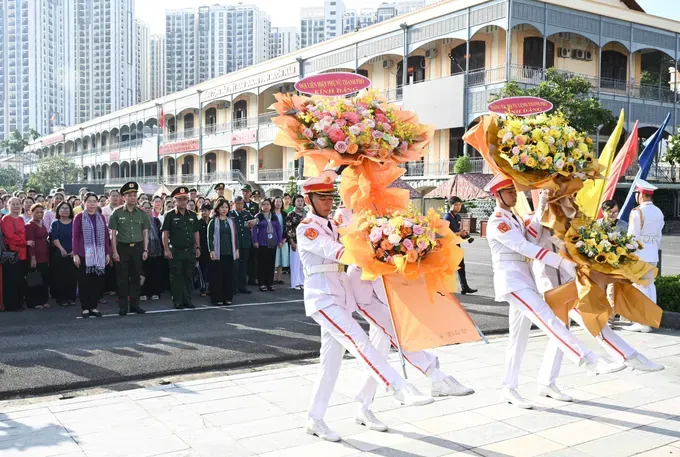
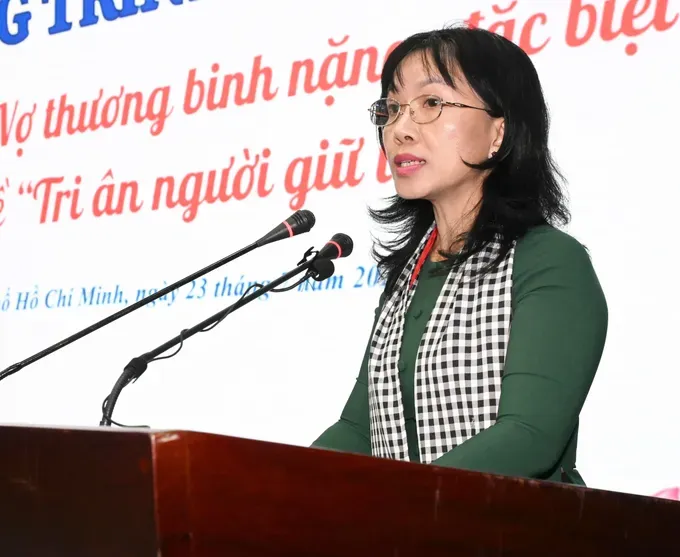
Reviewing the profound tradition on the 79th anniversary of War Invalids and Martyrs’ Day, Vice Chairwoman Huynh Thi Thuy Phuong of the HCMC Women’s Union emphasized a vital truth.
She noted that right behind the courageous soldiers who sacrificed their lives or sustained lifelong injuries are the resilient women who quietly dedicated their youth, love, and entire lives to actively caring for and accompanying their husbands, fiercely overcoming the agonizing losses left behind by the war.
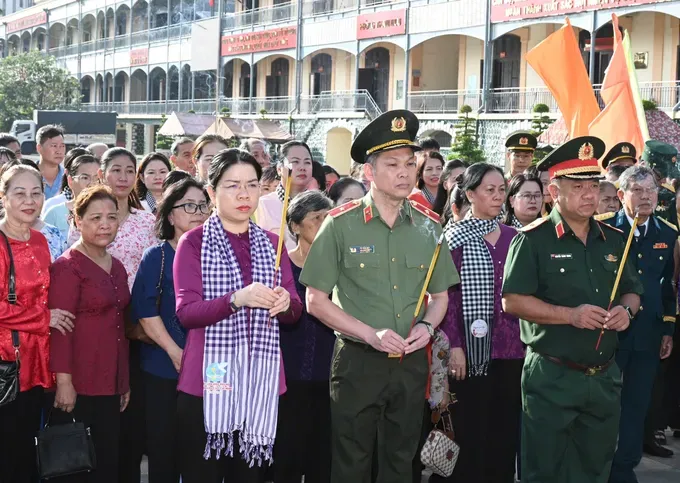
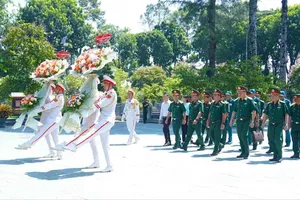
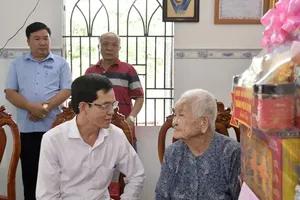
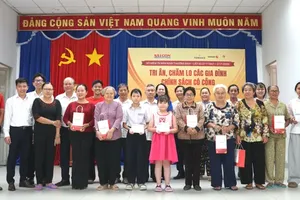
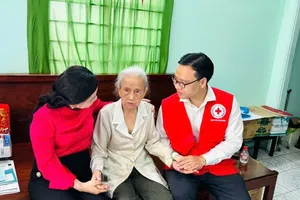
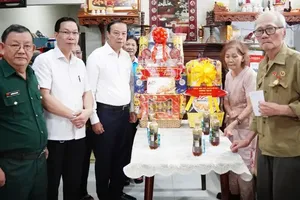
On this solemn occasion, the HCMC Women’s Union proactively deployed numerous propaganda and tradition education activities. They’re visiting and showing care to Vietnamese Heroic Mothers, wounded soldiers, sick veterans, and policy-beneficiary families.
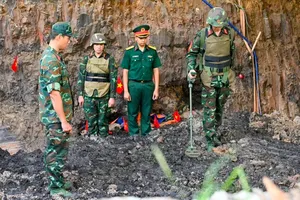
Furthermore, they are actively coordinating the rigorous implementation of the “500 day and night campaign to determinedly accelerate the search, gathering, and accurate identification of martyrs’ remains,” alongside highly impactful programs like “Meals of Gratitude” and “Buses of Love.”
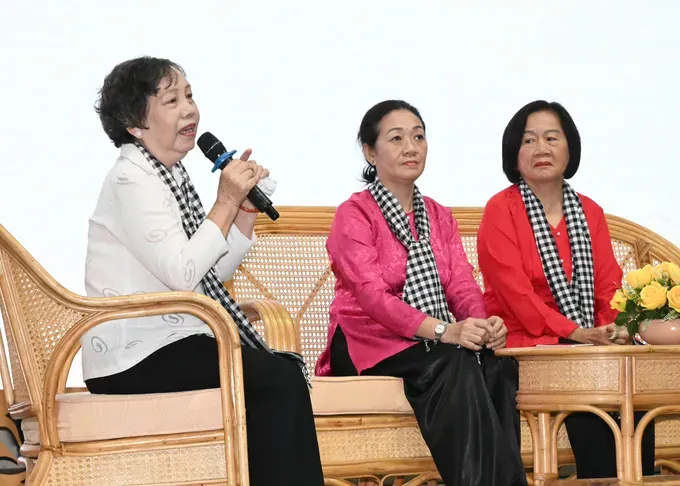
For Mrs. Pham My Lan, the memories were deeply moving as she recounted meaningful stories about her husband, quarter-class wounded soldier Le Van Mien. Having been severely injured in the leg, every single step he took had to rely entirely on crutches. However, right before their wedding ceremony at the wounded soldiers’ nursing center back in 1983, he still stubbornly leaned on his crutches to personally invite each comrade to join the jubilant occasion.
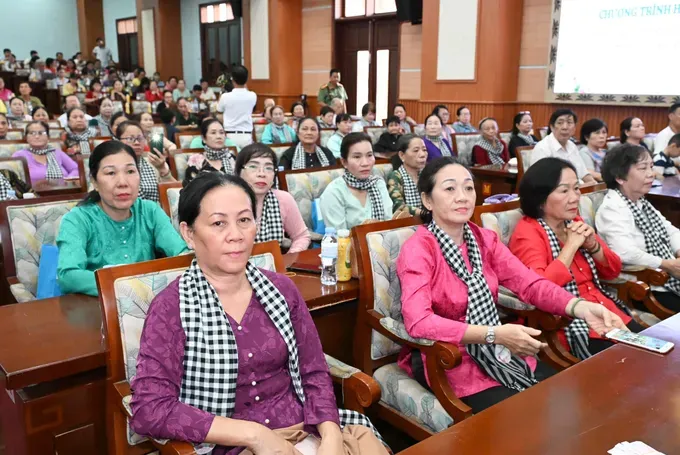
That year’s wedding only featured simple cake and tea, and their daily life was still plagued by immense hardships, but it completely overflowed with deep comradeship. For Mrs. Lan, her husband stands as a beautifully enduring image of a brave soldier bearing lifelong physical wounds who simply didn’t surrender to harsh fate. At the end of the day, he consistently lived with great responsibility and genuine affection, acting as a rock-solid support for his wife and precious children.
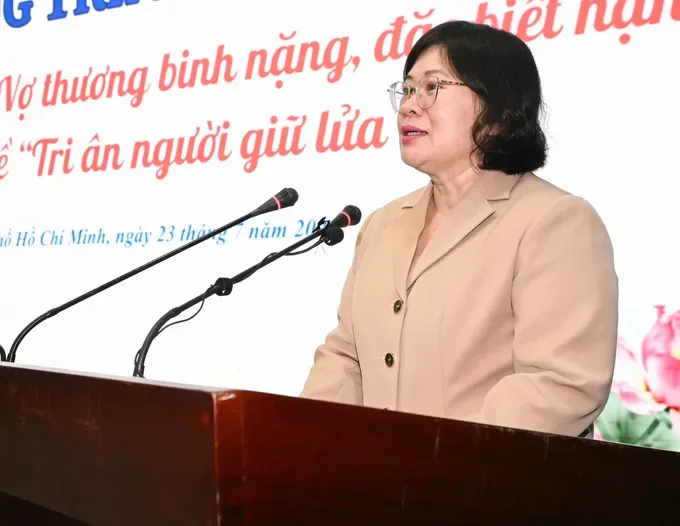
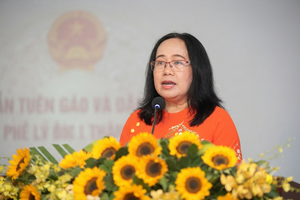
HCMC Party Committee Deputy Secretary Van Thi Bach Tuyet expressed deep emotion and respectfully sent her heartfelt regards to the martyrs’ relatives, wives of severely wounded soldiers, and all families of national devotees.
The Deputy Secretary affirmed that HCMC’s developmental achievements today are heavily paid for with the blood and immense sacrifices of numerous generations fiercely fighting for the Fatherland’s independence and freedom.
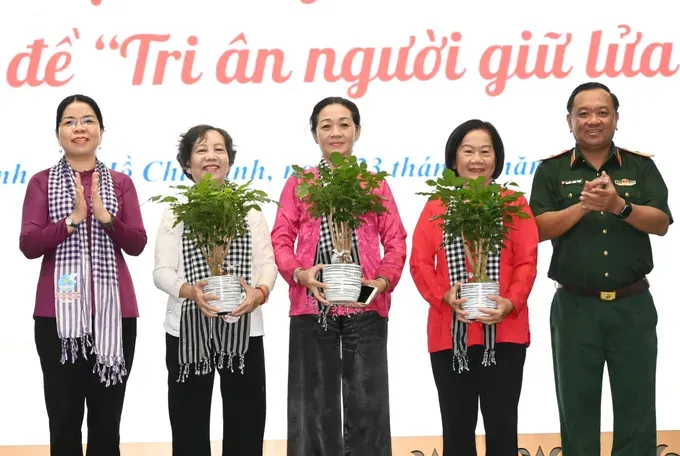
History doesn’t just remember those who directly fought and heroically sacrificed their lives on the battlefield. It also deeply cherishes the incredibly strong women silently standing in the rear, shouldering all crushing hardships so the soldiers could fight with peace of mind. After the brutal war, they continued to accompany and thoroughly care for wounded soldiers bearing physical scars that’ll last a lifetime.
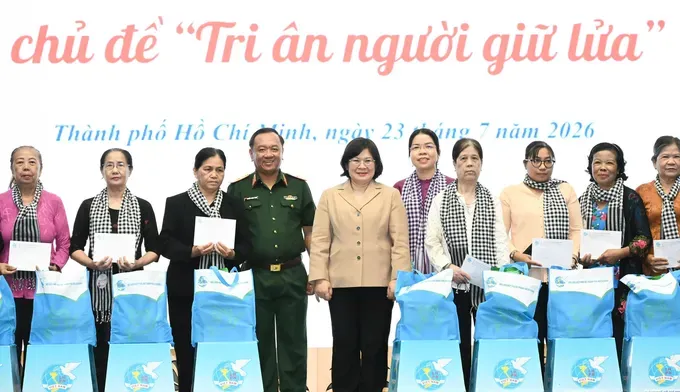
According to Deputy Secretary Van Thi Bach Tuyet, there are undeniable sacrifices that simply aren’t officially recorded by any glittering medals and can’t be measured by time or cold numbers, yet they stubbornly remain magnificent and noble. That’s the steadfast loyalty, unconditional love and enduring, silent sacrifice lasting an entire lifetime.
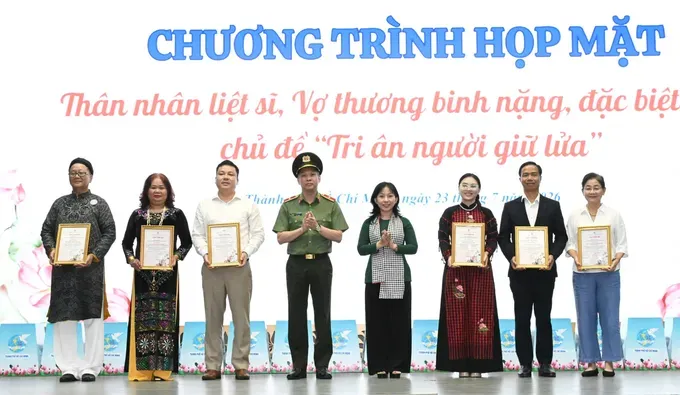
The HCMC Party Committee Deputy Secretary strongly emphasized that the city’s Party Committee, authorities, and people consistently determine that caring for meritorious individuals is a strict political responsibility, a moral principle, and undeniably a mandate straight from the heart. Gratitude work must be practically executed with genuine affection alongside specific, long-term, and sustainable actions for social welfare.
She highly praised the HCMC Women’s Union and the HCMC High Command for successfully maintaining this meaningful gratitude gathering program for many consecutive years, while constantly innovating its core content and format in a practical, humane direction.
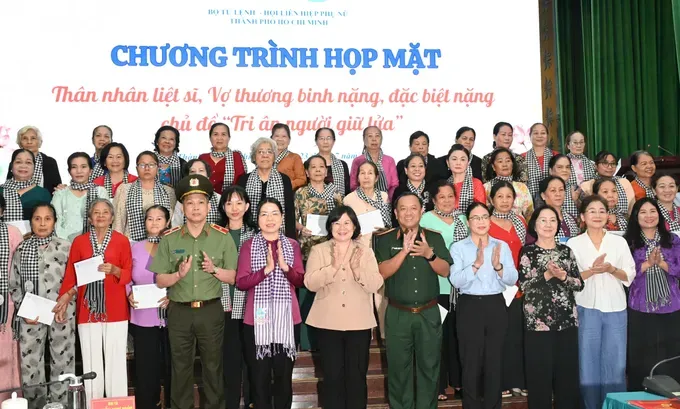
Moving forward, she requested that the two units continue to heavily promote their core role in utilizing diverse public resources and elevating the effectiveness of coordinated programs. They desperately need to replicate highly practical care models; organize gratitude activities, essential healthcare services, livelihood support, repairs for house of gratitude; and maintain a long-term companionship directly with policy-beneficiary families.
Alongside that, the units must continue to excel in the vital task of educating the rich revolutionary tradition, actively nurturing patriotism, gratitude, and national pride, especially tailored for the younger generation.