In 2026, the city's tourism industry aims to welcome 10.5-11 million international visitors, generating revenue of approximately VND330 trillion (US$12.75 billion), opening up expectations for a new impetus for the city.
After the merger, Ho Chi Minh City not only changed its geographical scale and population but, more importantly, opened up opportunities to reposition its destination brand: from a central service and commercial city to a multi-experience "super destination," a place where dynamic urban life, industrial and heritage values, and seaside resort spaces converge.
Tourism surge lifts HCMC as visitors flock to seamless urban-to-coast experiences
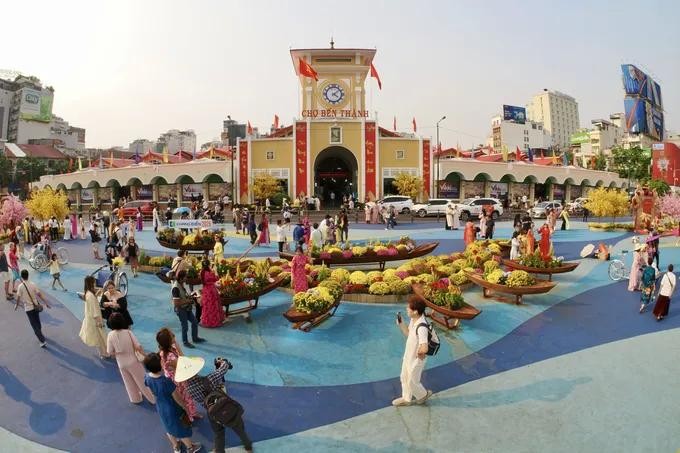
In the early days of the year, a continuous stream of tourists from domestic and international locations poured into Ho Chi Minh City, bustling from airports to road and waterway transportation systems, creating a clearly vibrant atmosphere for the tourism industry.
'Beautiful scenery, delicious food, and steadily improving service quality are why my family has returned to Vietnam many times, including Ho Chi Minh City', said Hannah Collins, a tourist from Australia.
In the first few months after the merger, the number of international visitors to Ho Chi Minh City increased sharply, at times recording an increase of over 70 percent compared to the same period. By the end of 2025, the city welcomed nearly 8.6 million international visitors, a 40.3 percent year-on-year increase, nearly 46 million domestic visitors, or a 20 percent increase, and total tourism revenue reached VND278,566 billion, a 45.8 percent increase, further affirming its role as the leading tourism hub of the country.
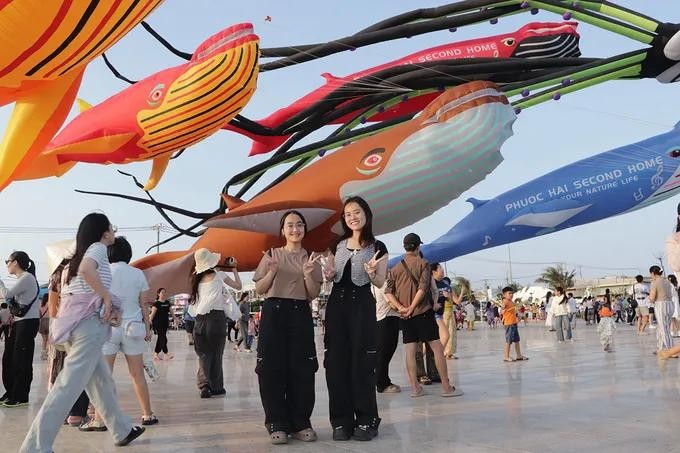
According to tourism product design expert Phan Yen Ly, these figures show the new appeal of Ho Chi Minh City tourism, as destinations are no longer confined to the central urban area, but have expanded along the urban-river-coast axis, creating seamless experiential journeys. 'Few cities offer tourists the opportunity to enjoy coffee, visit museums and pedestrian streets in the morning, experience traditional craft villages and eco-tourism areas in the afternoon, and then relax by the sea after just a few hours of travel', commented expert Phan Yen Ly.
This direction is also recognized on the international tourism map. In 2025, Ho Chi Minh City was continuously honored at prestigious tourism awards, especially the World Travel Awards (WTA).
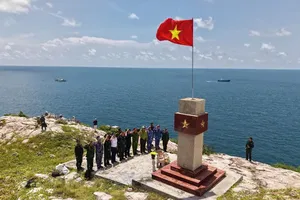
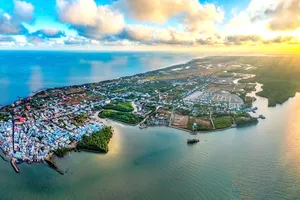
At the end of 2025, in Hong Kong (China), Ho Chi Minh City was named in four top categories in Asia, including: Business Tourism Destination, Festival and Event Destination, Local Tourism Management Agency, and Short-Destination in Coastal Cities. Notably, Vung Tau was honored for the first time in the category of Top Short-Destination in Coastal Cities in Asia, contributing to elevating the image of coastal tourism in Ho Chi Minh City in particular and Vietnam in general.
HCMC blends urban energy with diverse experience
From a business standpoint, many observers see Ho Chi Minh City as a rising tourism gateway for the region, comparable to Bangkok or Singapore. The city’s unique advantage lies in its blend of a vibrant urban lifestyle with easy access to river, ecological, and coastal experiences—all within a short distance. This mix positions Ho Chi Minh City perfectly to tap into the growing global demand for multi-experience tourism.
According to Pham Anh Vu, Deputy General Director of Viet Travel Company, previously, package tours often involved multiple localities, but now businesses can design diverse itineraries within a single destination. "International tourists really enjoy tours combining urban, ecological, and marine experiences; they don't have to travel too far but still have rich experiences, and Ho Chi Minh City is doing quite well in this," Mr. Pham Anh Vu assessed.
According to Pham Huy Binh, Director of the Ho Chi Minh City Department of Tourism, the city's tourism development orientation in the coming period is based on two overarching pillars: attracting tourists in depth and building a system of distinctive tourism products with unique characteristics and high added value. This is not just an adjustment in market approach, but a strategic shift to reposition Ho Chi Minh City's role on the regional tourism map.
Accordingly, each tourism product of the city must simultaneously meet market demands, clearly reflect the urban identity, the creative spirit, and the organizational capacity of a major economic, cultural, and service center. With its increasingly expanding urban space, modern infrastructure, and diverse service ecosystem, Ho Chi Minh City has all the conditions to become a preferred destination when international tourists think of Asia.
To become a tourism gateway, Ho Chi Minh City is adjusting its Tourism Development Plan until 2030 to clearly redefine its target market, customer segments, supply capacity, and core competitive advantages; while restructuring its product portfolio into "experiential clusters" in terms of space and theme, reducing duplication and increasing differentiation.
To position itself as a tourism gateway, Ho Chi Minh City is revising its Tourism Development Plan to 2030, aiming to clearly redefine target markets, customer segments, supply capacity, and core competitive advantages. At the same time, the city is restructuring its product portfolio into themed “experience clusters” to reduce overlap and enhance differentiation.