Amid mounting pressure on the healthcare system, rapidly changing disease patterns, and an aging population, the need to shift healthcare in Ho Chi Minh City toward a more proactive, continuous, and comprehensive model has become increasingly urgent. This transition is seen as essential to reducing the burden on the system while improving overall quality of life for residents.
Hospital partnerships bring skilled doctors to local health stations
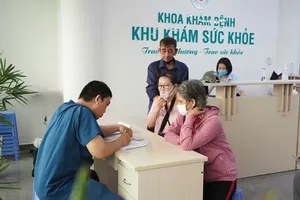
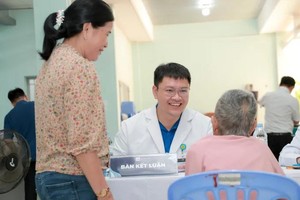
Since the modern Xuan Hoa Ward Health Station opened its doors in Ho Chi Minh City, 66-year-old Nguyen Thi Hong finally feels a sense of relief. For her, the facility's presence means her family no longer faces the grueling commute to Thong Nhat Hospital for routine care.
"The community is thrilled to have specialists from major hospitals coming directly to us," the elderly woman said. "Everywhere you go, people are talking about how much they appreciate these compassionate healthcare efforts."
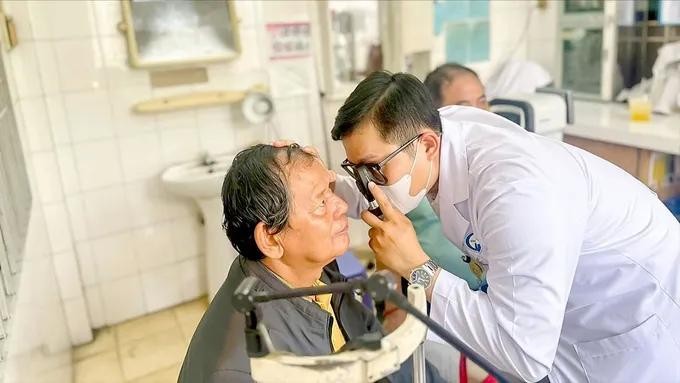
According to Nguyen Van Vinh Chau, Deputy Director of the Ho Chi Minh City Department of Health, most general and specialized hospitals at the city level have been mobilized to support grassroots healthcare through a professional partnership model linking hospitals with local health stations. This is considered a key solution to sustainably strengthen primary healthcare capacity and a cornerstone in building an efficient, multi-tier, interconnected system in which residents receive care at the local level, while higher level facilities focus on specialized treatment.
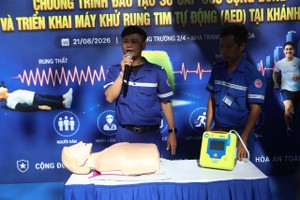
To better meet community healthcare needs, the sector has introduced a range of measures to bring services closer to residents. A notable initiative is the deployment of community based continuous care teams to wards, communes, and outlying areas. This new model reflects a shift toward proactive healthcare delivery, with teams not only waiting for patients to seek treatment but actively reaching households, managing health throughout the life cycle in line with family medicine principles.
HCMC advances lifelong healthcare strategy
In recent years, Ho Chi Minh City has implemented multiple initiatives to provide healthcare across all stages of life, including free health checkups for the elderly, students, and pupils, intending to offer basic free healthcare services citywide by 2030.
The city continues to invest in strengthening its primary healthcare network, expanding preventive care, enhancing public health communication, and proactively controlling diseases. At the same time, it is accelerating screening programs for early detection, particularly for non communicable diseases, school health issues, mental health, nutrition, and elderly care.
Efforts are also focused on ensuring that residents can access healthcare services conveniently, continuously, and effectively, guided by the principle that each individual should not only be a recipient of healthcare services but also an active manager of their own health.
To ensure the sustainability of these efforts, Associate Professor Tang Chi Thuong, Director of the Ho Chi Minh City Department of Health, said the sector is working to institutionalize these activities within the formal functions of local health stations, supported by measurable KPIs and monitoring mechanisms.
Key indicators are directly tied to health outcomes, including the proportion of residents with electronic health records, the rate of chronic disease management, and the number of household level care visits. All activities are recorded and tracked within a centralized data system to ensure transparency and effective governance.
The leader of the HCMC health sector said that when individuals take a more active role in overseeing their health, the healthcare system can function optimally, and the objective of creating a healthier community can be realized.