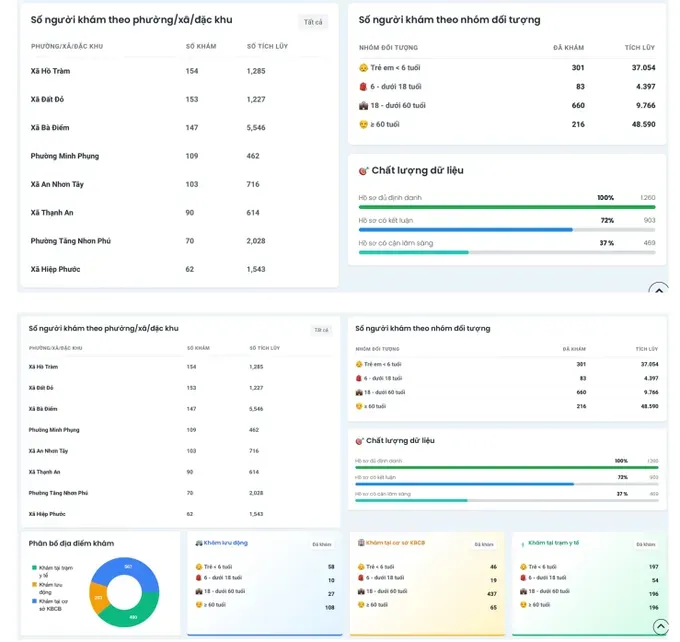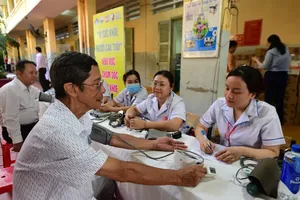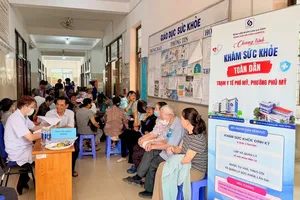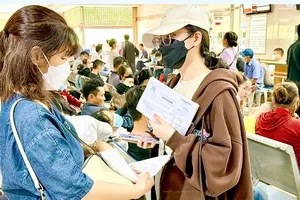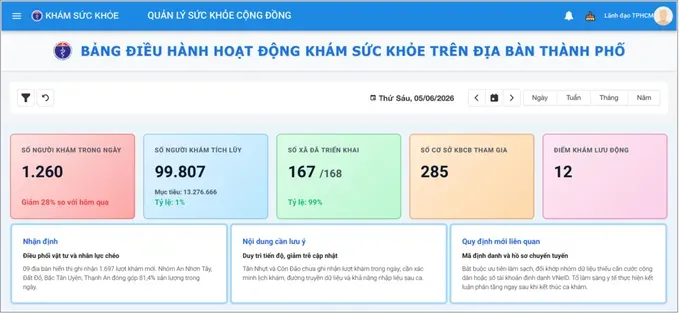
This is a digital governance tool that enables real-time monitoring of the progress of population-wide health examinations while also establishing an important data foundation for building electronic health records and managing citizens’ health continuously and comprehensively.
According to Associate Professor Dr. Tang Chi Thuong, Director of the Ho Chi Minh City Department of Health, the launch of the dashboard marks a new milestone in the city’s healthcare digital transformation roadmap. It also establishes a modern governance platform to support the implementation of the nationwide health examination program, in line with Resolution No. 72-NQ/TW of the Politburo on breakthrough solutions to strengthen the protection, care, and improvement of public health, as well as Directive No. 17/CT-TTg of the Prime Minister.
Through the dashboard, leaders of the health sector, local authorities, and medical facilities can continuously monitor the number of people receiving health check-ups each day, the cumulative number of examinations across different phases, and implementation progress at each ward, commune, and special zones, as well as at hospitals, regional medical centers, commune health stations, and other participating units.
The management dashboard also enables analysis of the structure of the population undergoing health examinations by age, gender, and priority groups, including the elderly, workers, students, and pupils, as well as other population segments. In particular, the system is gradually aggregating data on health risk factors, abnormalities detected through medical check-ups, and disease patterns within the city’s population.
One of the most important values of the dashboard is that it enables direction and administration to be carried out on the basis of real-time, transparent, and timely data. Through continuously updated indicators, the health sector can quickly identify localities with low participation rates in health examinations to strengthen communication efforts, allocate additional resources, or implement appropriate support measures. Conversely, effective models can also be identified early and replicated across the entire city.
According to Associate Professor Dr. Tang Chi Thuong, in order to develop and operate this dashboard, a prerequisite is that all health examination data of citizens must be fully updated on the Community Health Management Platform, which has been developed and deployed citywide by the Ho Chi Minh City Department of Health.
This platform serves as an important foundation for the creation of individual electronic health records on the Ho Chi Minh City Digital Citizen application, while also being connected with the Ministry of Health to develop an integrated electronic health record on the VNeID application. This contributes significantly to the formation of a digital health data ecosystem, toward the goal of continuous, comprehensive, and long-term population health management.
The launch of the health examination management dashboard marks a transition from manual statistical methods to modern data-driven governance. This is not only a tool for monitoring the implementation progress of the population-wide health examination program but also an important foundation for Ho Chi Minh City to develop an intelligent health management system toward the goal of ensuring that each citizen has an electronic health record, is continuously monitored throughout their lifetime, and has access to healthcare services appropriate to their level of risk,” Associate Professor Dr. Tang Chi Thuong emphasized.