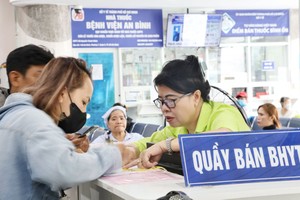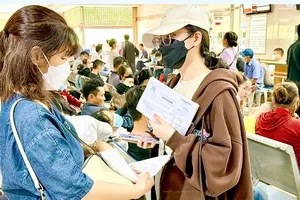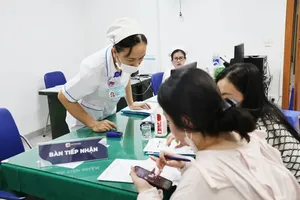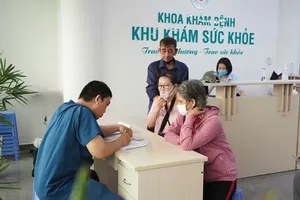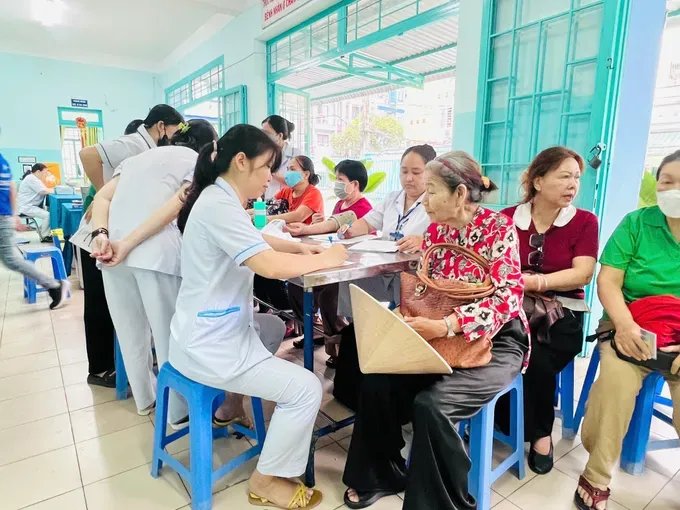
The People’s Committee of Ho Chi Minh City has recently issued a plan to organize periodic health check-ups for residents in 2026, aiming to ensure that every resident receives at least one free health examination each year and is provided with an electronic health record for lifelong health management.
Under the plan, the program will be implemented across 168 wards, communes, and special zones and will apply to all Vietnamese citizens actually residing in the city (either permanent or temporary residents verified through VNeID), workers employed in the city, and groups under the city’s management.
The city aims to ensure that 100 percent of residents have access to free annual periodic health check-ups. Specifically, it targets ensuring that 100 percent of children under two years old receive health check-ups twice a year, while children under six, pupils, students, workers, informal laborers, the elderly, and social welfare beneficiaries receive at least one health examination annually. The examination results will be updated in each individual’s electronic health record.
The health examination contents are designed for each age group. Children will be monitored for growth, nutrition, and physical and mental development; pupils and students will undergo screening for school-related diseases, mental health conditions, refractive errors, and scoliosis, while people aged 18 and above will receive clinical examinations, blood tests, blood glucose testing, liver and kidney function tests, urine tests, and chest X-rays to facilitate the early detection of risk factors and common diseases.
Health check-ups will be conducted at qualified medical facilities, schools, enterprises, and mobile examination sites. For the elderly, persons with disabilities, and those facing mobility difficulties, the city allows home-based health examinations to ensure all residents have access to healthcare services.
The total cost of health check-ups for each resident will not exceed VND350,000 (US$13.29) per person per examination per year. Funding will be sourced from the state budget for priority groups, from the health insurance fund according to the prescribed roadmap, and from employers for workers entitled to periodic health check-ups organized by enterprises.