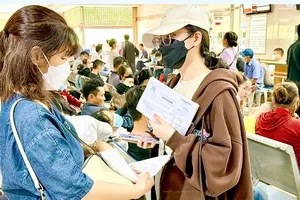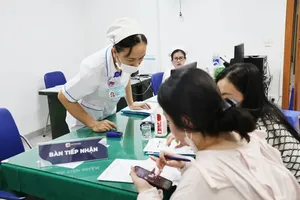
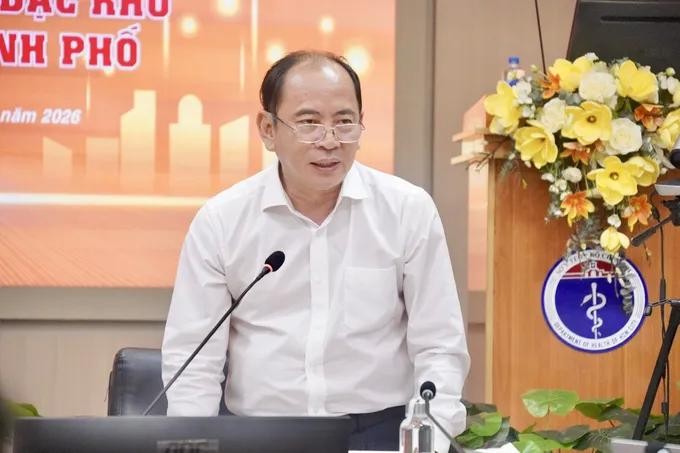
According to Associate Professor Tang Chi Thuong, Director of the HCMC Department of Health, current resolutions and healthcare development orientations have clearly addressed both health check-ups and disease screening. However, these two activities have different goals. Periodic health check-ups mainly help evaluate and categorize a person's health status, from which each individual can proactively adjust their lifestyle, increase physical activity, and implement appropriate preventive measures.
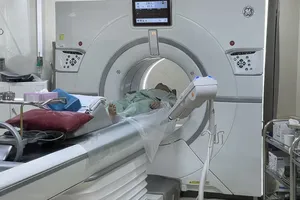
Meanwhile, disease screening aims to detect pathologies as soon as they appear, even before symptoms emerge. This is a very important solution in preventive work, helping to intervene in time, improve treatment effectiveness, and reduce the risk of the disease progressing to a severe stage.
Associate Professor Tang Chi Thuong emphasized that in the immediate future, it is necessary to prioritize cervical cancer screening for groups of high-risk women, with a humane, convenient, and feasible approach. If implemented effectively, HCMC can become one of the leading localities in the country in cervical cancer screening with a synchronous model and wide coverage. The results from the pilot phase will be an important basis for evaluating effectiveness, perfecting the model, and gradually expanding implementation in the coming time.
At the meeting, Associate Professor Nguyen Anh Dung, Deputy Director of the HCMC Department of Health, said that in the coming time, the city’s health sector will implement a screening program for key diseases through community-based screening, prioritizing five types of cancer including cervical cancer, breast cancer, colorectal cancer, liver cancer, and prostate cancer. These are all diseases with high rates of incidence and mortality, causing a heavy burden on the health system and directly affecting the quality of life of the people.
Screening and early detection have special significance in cancer prevention and control, helping to reduce the risk of death, reduce the burden of disease, and at the same time improve treatment effectiveness and increase the chance of cure for patients, Associate Professor Nguyen Anh Dung informed.
At the same time, Associate Professor Nguyen Anh Dung said that in 2026, HCMC plans to implement a large-scale health check-up and disease screening program citywide. Organizing screening on a large scale requires careful consideration between financial resources, implementation capacity, and the effectiveness brought about. However, from the perspective of public health benefits as well as long-term economic efficiency, this is a program that needs to be prioritized and should not be delayed.
HCMC gradually ending cervical cancer
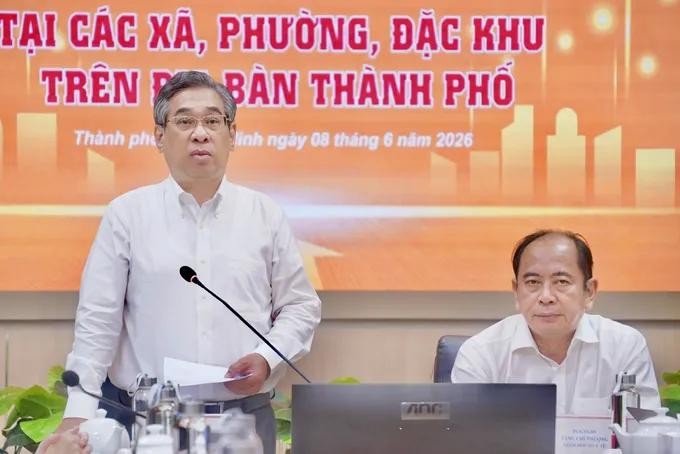
Concluding the meeting, Deputy Secretary of the HCMC Party Committee Nguyen Phuoc Loc emphasized that protecting, caring for, and improving the health of the people is one of the central and consistent tasks of the City Party Committee and the city administration.
Implementing the community-based cancer screening program is a specific step to realize the policy of taking care of the people's health in the spirit of the directive from General Secretary and President To Lam on building a healthcare system that centers on the people, shifting strongly from treating diseases to preventing diseases, and from treating diseases to comprehensive and proactive health care. This is not only the task of the health sector alone but requires the participation of the entire political system, social organizations, and the community.
Deputy Secretary of the HCMC Party Committee Nguyen Phuoc Loc highly appreciated the proposals of the city's health sector in building a model of pathology screening at the grassroots level, especially the application of science, technology, and artificial intelligence (AI) in early disease detection.
He noted that the program needs to be implemented synchronously with the universal health check-up plan that HCMC is carrying out. In which, periodic health check-ups help evaluate the overall health status of the people, while screening has the role of early detection of dangerous diseases when clinical symptoms have not yet appeared. These two activities need to be connected in a unified health management system to form a universal health database, serving long-term health care.
Mr. Nguyen Phuoc Loc requested the Department of Health should continue to perfect the pilot project by selecting priority, urgent pathologies that are suitable for the practical conditions of the city; at the same time, build a scientific implementation roadmap, ensuring effectiveness, feasibility, and saving resources.
In addition to state budget funding, the health sector should develop mechanisms to effectively mobilize social resources and further leverage the contributions of both public and private hospitals, businesses, organizations, and other stakeholders involved in healthcare, he said.
He also stressed the importance of strengthening public communication to raise awareness of the benefits of disease screening and encourage people to take a more proactive role in participating in healthcare and preventive medicine programs.
The city will prioritize the application of digital technology, artificial intelligence, and smart healthcare solutions to improve implementation effectiveness, reduce costs, and create the most favorable conditions for people to access quality medical services right at the local level.
Deputy Secretary of the HCMC Party Committee Nguyen Phuoc Loc
At the same time, he expects that the pilot implementation results will create an important practical basis for the city to evaluate and perfect the model, gradually replicating it in the coming time, aiming at the goal of building a modern, proactive preventive healthcare system that centers on the people served and ensures that every citizen is taken care of effectively.