The Northern and Central regions are enduring an intense heatwave, with outdoor temperatures in some areas reaching a perceived 42-50 degrees Celsius, increasing the risk of heatstroke, heat exhaustion and other serious health complications.
The extreme weather has not only disrupted daily life but also posed serious threats to public health.
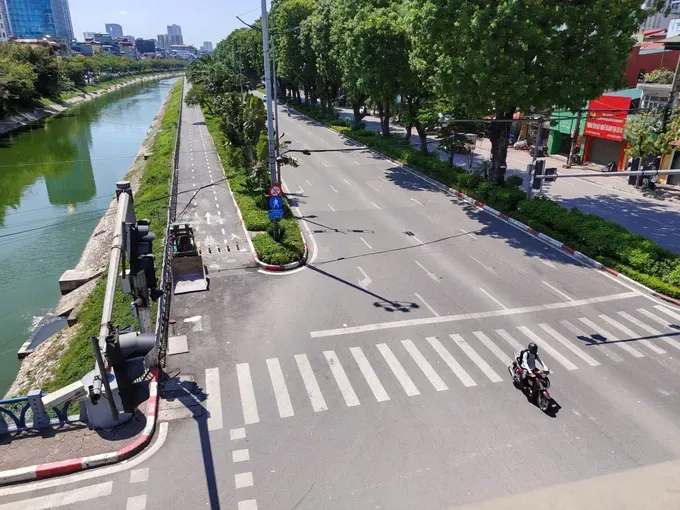
According to doctors, the prolonged heat has led to a rise in heatstroke cases, especially among people working, traveling, or engaging in outdoor activities for long periods. The scorching weather has also heightened the risk of stroke among elderly people and those with underlying or chronic illnesses.
Hospitals in Hanoi and the Northern localities have recently reported an increasing number of admissions linked to severe heat exposure.
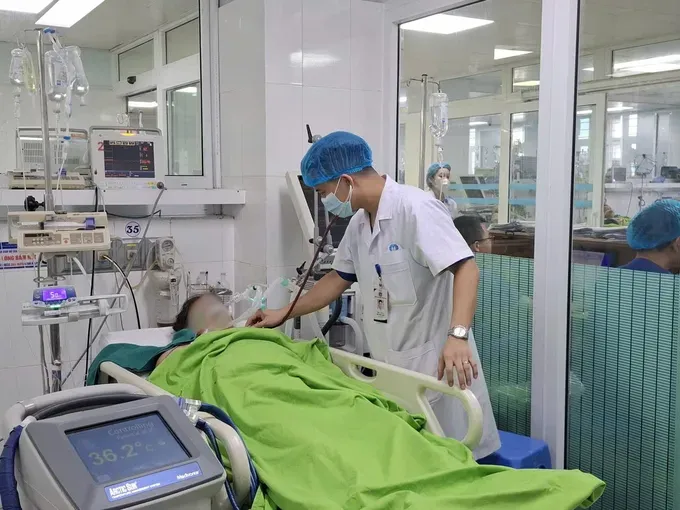
At the Emergency Department of Phu Tho Provincial General Hospital, doctors have continuously received patients suffering from dangerous heatstroke and heat exhaustion after working outdoors in high temperatures. Some cases were admitted in critical condition, including deep coma and circulatory collapse.
A 69-year-old man from Phu Tho Province was hospitalized after collapsing while working outdoors in extreme heat, later falling into a deep coma with multiple organ failure caused by heatstroke.
As the severe heatwave is expected to persist, Dr. Nguyen Minh Hieu of Bach Mai Hospital’s A9 Emergency Center offered guidance on how to recognize, treat and prevent heatstroke and heat exhaustion.
Extreme heat can affect anyone, including young and healthy people. Bach Mai Hospital recently admitted a 25-year-old construction worker in Hanoi suffering from chest tightness and muscle cramps after working for hours in 40-degree Celsius heat. Due to severe dehydration, his creatinine level surged to 400 µmol/L, far above the normal level of under 110 µmol/L, putting him at risk of acute kidney failure and possible dialysis.
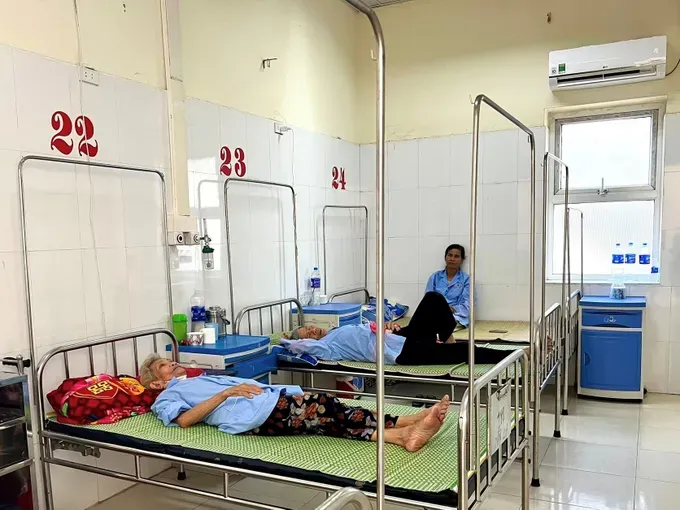
According to the doctor, heatstroke is an extremely dangerous medical emergency that occurs when the body is exposed to high temperatures or intense physical activity under the sun for prolonged periods, causing the body’s temperature regulation system to fail. Excessive body heat can quickly lead to multiple organ failure, brain and cardiovascular damage, respiratory complications and even death if emergency treatment is delayed.
Heat exhaustion and sunstroke occur when the body’s heat-regulation mechanism is disrupted after prolonged exposure to hot and humid conditions, either outdoors or indoors, or due to sudden environmental temperature changes.
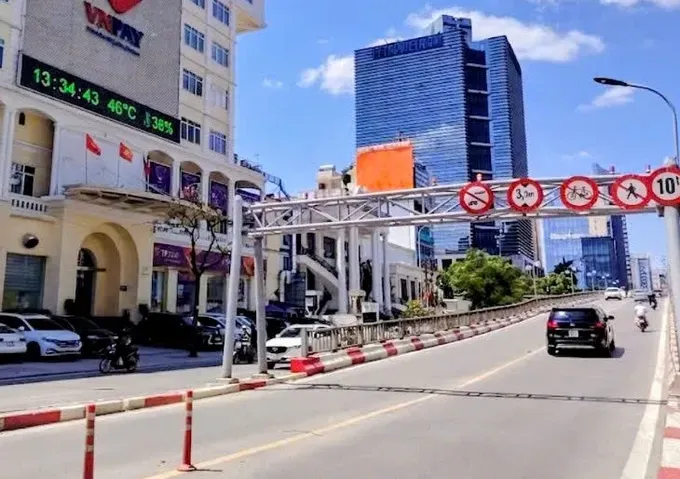
In mild cases, symptoms include fatigue, thirst, dizziness, rapid heartbeat, shortness of breath, palpitations and muscle cramps. Severe cases may involve intense headaches, worsening breathing difficulties, nausea, vomiting, paralysis, seizures, unconsciousness, coma, cardiovascular collapse and death.
Doctors emphasized that proper first aid during the first few minutes of heatstroke can save lives. Victims should immediately be moved to a shaded, airy or air-conditioned place.
Tight clothing should be loosened or removed, and wet towels applied to areas with major blood vessels, such as the neck, armpits and groin, while fans can help cool the body. If the patient remains conscious, they should be given properly mixed Oresol solution, water or cool fruit juice.
If the patient is unconscious, water should never be poured into the mouth. Instead, the person should be placed in a safe recovery position and emergency services should be called immediately.
Doctors also warned against using fever-reducing medicine or placing ice directly on the body, as extreme cold may constrict blood vessels and trap heat inside the body, worsening the condition. People were also advised not to mix homemade saline water or consume unverified energy or sports drinks.
Health experts recommend avoiding prolonged exposure to hot environments and limiting outdoor activities during peak heat hours. People should drink enough water and electrolytes before, during and after outdoor activities, with at least 600-800ml consumed before physical activity and around 200ml every 20 minutes even when not thirsty.
Loose, light-colored and sweat-absorbent clothing should be worn, while wide-brimmed hats and sunscreen are recommended for outdoor work and travel.

)