As the Ebola outbreak continues to develop in Africa, particularly in Congo and Uganda, Vietnam's health sector is proactively implementing a range of measures to respond to this dangerous disease.
Health experts warn of Ebola’s rapid transmission and high fatality risk
On the afternoon of May 29, the Department of Disease Prevention under the Ministry of Health provided updated information to the media regarding the Ebola outbreak caused by the Bundibugyo strain in Congo and Uganda. According to data from the World Health Organization (WHO), as of May 27, Congo had recorded 1,077 suspected cases, including 238 suspected deaths; 121 confirmed cases, including 17 deaths. Uganda reported 7 confirmed cases, including 1 death.
Angela Pratt, WHO Representative in Vietnam, said that WHO recently declared a Public Health Emergency of International Concern regarding the outbreak caused by the Bundibugyo strain of the Ebola virus in the Democratic Republic of the Congo and Uganda. WHO assesses the risk of Ebola transmission as very high at the national level (in Congo and Uganda), high for the African region due to cases occurring in urban areas, population mobility, instability, and limitations in healthcare systems, and low at the global level, including for Vietnam.
According to Associate Professor Le Quoc Hung, Head of the Department of Tropical Diseases at Cho Ray Hospital, Ebola virus disease is a Group A infectious disease that is particularly dangerous, capable of spreading very rapidly, with a fatality rate that can reach 90 percent.
The incubation period ranges from 2 to 21 days. The disease is transmitted primarily through direct contact with the blood, bodily fluids, or waste of infected individuals, or through surfaces and objects contaminated with the virus. People infected with Ebola generally become contagious only after symptoms begin.
The disease can spread easily in situations such as delayed detection, when infected individuals travel through multiple locations before isolation, unsafe home care, inadequate infection control in hospitals, the use of unsafe needles or medical equipment, or burial practices involving direct contact with the deceased.
“Vietnam has not recorded any Ebola cases to date, but there remains a possibility that cases could be imported by travelers returning from affected areas. Therefore, Ebola should be considered in anyone experiencing fever, vomiting, diarrhea, or bleeding within 21 days of returning from an outbreak area or after a high-risk exposure. The most important measures are early reporting, proper isolation, safe referral, and strong protection for healthcare workers,” Associate Professor. Le Quoc Hung stated.
Health sector ramps up border quarantine to guard against Ebola
Although WHO assesses the risk of Ebola spreading globally, including to Vietnam, as low, the increasing expansion of international trade and travel means that the risk of dangerous diseases entering through border checkpoints remains real and cannot be considered insignificant. In response, the Ministry of Health has rapidly activated a series of measures aimed at preventing the disease from entering the country.
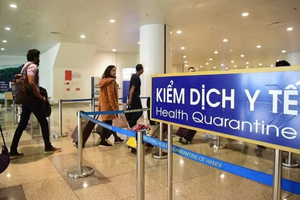
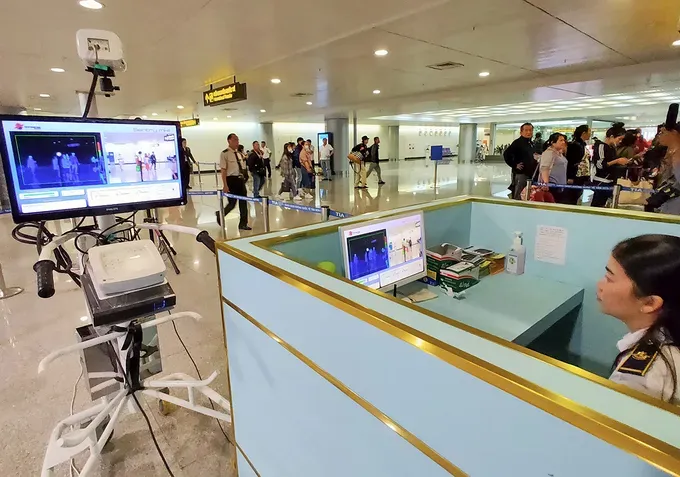
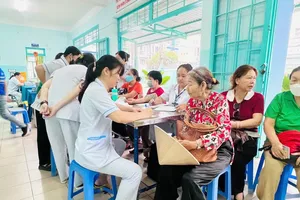
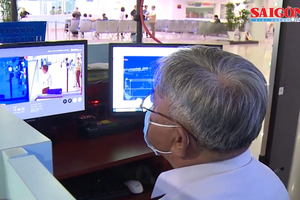
In Ho Chi Minh City, Dr. Nguyen Hong Tam, Director of the Ho Chi Minh City Center for Disease Control (HCDC), said that to proactively prevent Ebola from spreading into the city, HCDC has strengthened health quarantine measures at Tan Son Nhat International Airport and the city's seaports. The city's health sector is conducting 24/7 monitoring of all travelers entering through airports and seaports. Particular attention is being paid to individuals arriving from, transiting through, or having stayed in countries or regions reporting Ebola cases within the previous 21 days. Medical isolation measures and testing are being implemented for travelers showing suspected symptoms. In addition, inspections of vehicles arriving from affected regions have been intensified, particularly ships and aircraft traveling to, from, or transiting through Ebola-affected areas in Africa.
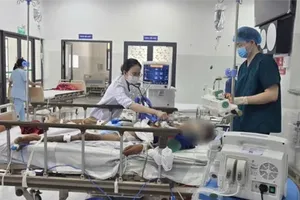
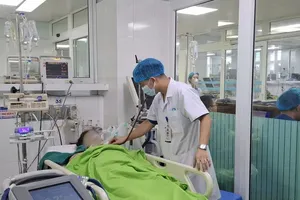
The Hanoi Department of Health has also instructed its affiliated units to strengthen epidemiological surveillance, especially at international air gateways, while preparing personnel, medicines, chemicals, isolation facilities, and medical supplies to respond in the event of suspected cases. Functional forces from the Hanoi CDC and health quarantine units at Noi Bai International Airport have reviewed and fully prepared temporary isolation areas, transportation plans, patient reception procedures, and outbreak response measures in accordance with professional protocols. The Hanoi Department of Health has also enhanced health monitoring of arriving and transit passengers, especially those from Congo and Uganda, at Noi Bai International Airport. Hanoi CDC is coordinating information collection, contact tracing, health monitoring, and training for disease control personnel.
Meanwhile, in Quang Ninh Province, health quarantine teams at Bac Luan 1 and Bac Luan 2 Bridge areas of Mong Cai International Border Gate have activated their surveillance systems at the highest level. Temperature screening is being strictly conducted for all passengers entering Vietnam from abroad.

)