In recent days, at hospitals across Ho Chi Minh City, the number of dengue fever patients seeking examination and treatment is on the rise, with many cases being admitted only after the disease had progressed to a stage marked by warning signs of severe complications.
According to statistics from the Ho Chi Minh City Center for Disease Control (HCDC), the city recorded 397 dengue fever cases reported by healthcare facilities last week, including 245 inpatients. Since the beginning of the year, the cumulative number of cases has reached 17,718, including 10,459 inpatients and 7,259 outpatients, representing an increase of 64.6 percent compared to the same period in 2025 (10,765 cases). Four deaths have also been recorded.
According to MSc. Dr. Le Hong Nga, Deputy Director of the Ho Chi Minh City Center for Disease Control (HCDC), dengue fever is an endemic infectious disease that circulates year-round and can affect people of all ages. Based on epidemiological patterns, Ho Chi Minh City typically enters a period of rapidly increasing dengue cases from mid-June onward. However, this year, the disease has shown an upward trend since the early months of the year.
The city records new dengue infections every day, and cases have now been reported across all 168 wards, communes, and special zones. Notably, more than 50 percent of current cases involve adults, with the 11–15 and 16–30 age groups accounting for a significant proportion. This indicates that the risk of infection is no longer concentrated among children but is increasingly affecting a broad range of population groups.
According to HCDC, major dengue fever outbreaks have traditionally occurred at intervals of about five years. In recent years, however, this cycle has shortened to three to four years. Significant outbreaks were recorded in 2016, 2019, and 2022.
The shortened outbreak cycle has been attributed to high population density, rapid urbanization, and the impacts of climate change. Prolonged heat waves interspersed with irregular rainfall have created favorable conditions for disease-carrying mosquitoes to breed and sustain transmission within the community. These factors have also prompted the health sector to remain highly vigilant against the risk of a dengue fever outbreak in 2026.
According to MSc. Dr. Le Hong Nga, the severe dengue cases requiring hospitalization represent only the “tip of the iceberg.” Within the community, there may be many undetected infections still circulating, with numerous cases remaining unidentified or not diagnosed promptly because their initial symptoms are atypical.
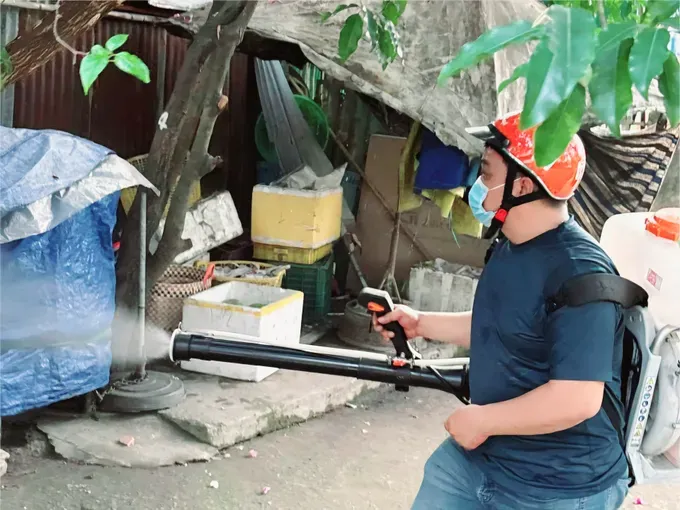
To proactively prevent dengue fever, residents need to recognize potential sources of transmission in their living environment and take active measures to control mosquitoes and eliminate mosquito larvae breeding sites. Vaccination is also an important preventive measure to reduce the risk of infection and severe disease progression, thereby helping to lessen the burden on the healthcare system and lower the risk of death.




)