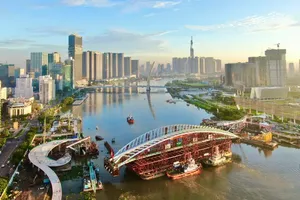
As Ho Chi Minh City develops a comprehensive master plan looking ahead a century, urban planners, scientists and business leaders have called for innovative approaches to ensure the city remains resilient, competitive and livable for future generations.
A new planning mindset for a 100-year vision
According to Dr. Pho Duc Tung, an expert in urban planning and development, a 100-year master plan cannot simply be an extension of a conventional 10-year socio-economic development plan.
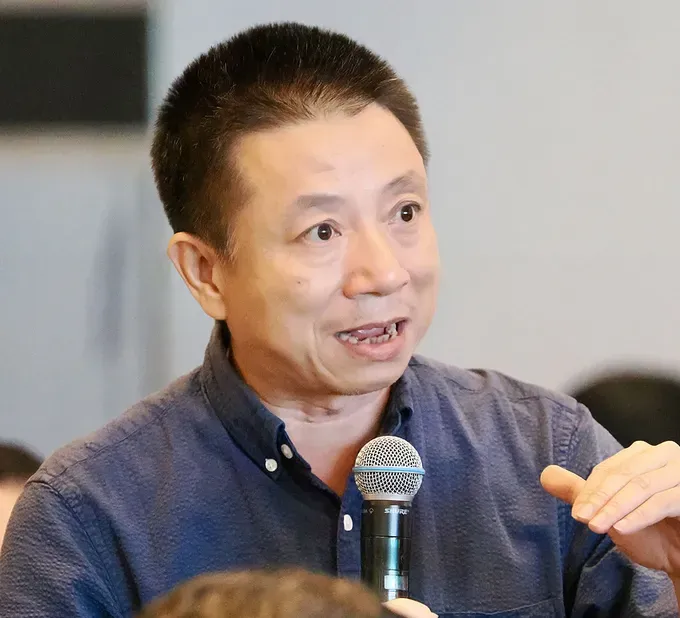
He said that long-term planning should move beyond traditional approaches and adopt a new methodology. Drawing from Dutch experience, he recommended structuring development around three interconnected planning layers.
The first and most important layer is the natural foundation, including topography, water systems, and ecosystems. This layer should be planned with a time horizon exceeding 100 years to ensure long-term sustainability.
The second layer consists of major technical infrastructure systems, which should be designed with a 50-year outlook and built to maximize the strengths of the natural environment.
The third layer is urban space, which must align closely with the two foundational layers beneath it to ensure coherent and sustainable development.
Water security and waste management as foundations
Prof. Dr. Nguyen Van Phuoc, Chairman of the Ho Chi Minh City Union of Science and Technology Associations, emphasized that water security and solid waste management must form the foundation of the city's long-term development strategy.
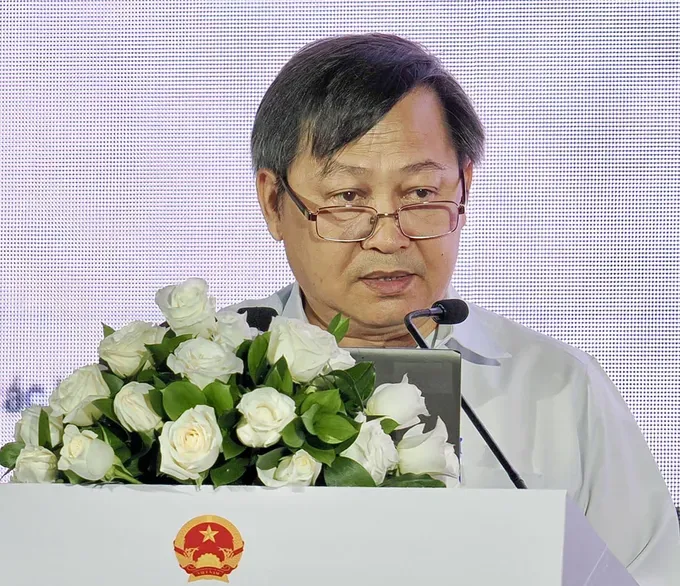
Following the recent administrative merger, Ho Chi Minh City is expected to cover approximately 6,772 square kilometers and accommodate a population of 20–22 million people by 2050. At the same time, it is expected to serve as Vietnam’s leading international financial, logistics, seaport, innovation, and high-tech hub.
Against this backdrop, ensuring an adequate and sustainable water supply for a megacity over the next century will be a critical challenge.
Drawing lessons from cities around the world, Prof. Phuoc noted that water security has become a decisive factor in economic growth in the 21st century. He suggested that the city move beyond traditional planning approaches and instead base future development on the carrying capacity of water resources.
He proposed three guiding principles: respecting natural hydrological systems, developing a circular urban model that reduces groundwater extraction and promotes water reuse, and strengthening regional cooperation in water management, exploitation and protection.
Regarding solid waste, he recommended shifting from a waste management mindset to one focused on urban resource management, promoting circular economy models, high-tech recycling, and resource recovery industries as new drivers of economic growth.
Digital economy as a new growth engine
Mr. Tran Ba Duong, Chairman of THACO, stressed that the successful implementation of the master plan requires active participation from both citizens and businesses, alongside effective public communication to build social consensus.
Economically, he said, the plan should align closely with national development strategies while positioning the digital economy as a key growth driver.
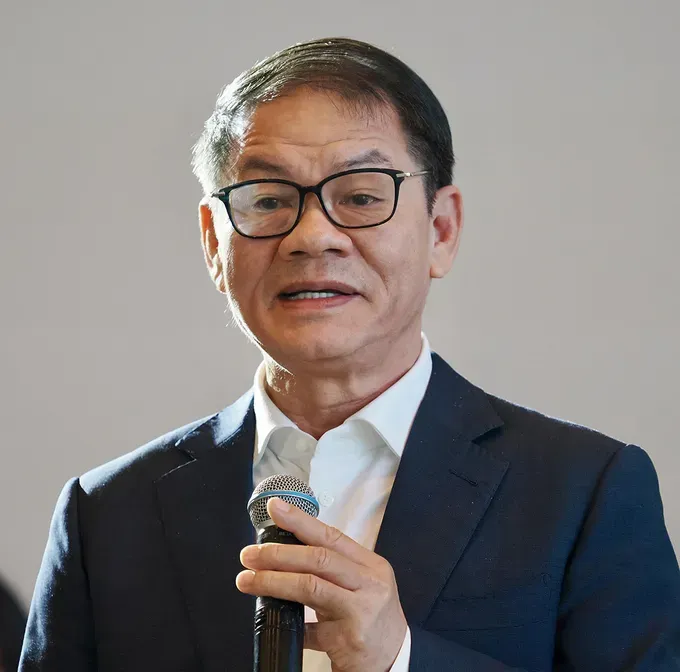
In transportation and urban development, he noted that the pace of urbanization is outstripping infrastructure capacity. Therefore, planning must include concrete solutions to address traffic congestion and improve connectivity both within the city and with neighboring regions.
For industrial development, the Chairman of THACO advocated integrated industrial zones that foster stronger linkages between domestic enterprises and foreign-invested companies, thereby enhancing production capacity and participation in global value chains.
Need for exceptional incentive mechanisms
Mr. Le Hoang Chau, Chairman of the Ho Chi Minh City Real Estate Association (HoREA), called for a clearer definition of the expanded Ho Chi Minh City metropolitan region and stronger integration with neighboring localities to create a unified socio-economic space.
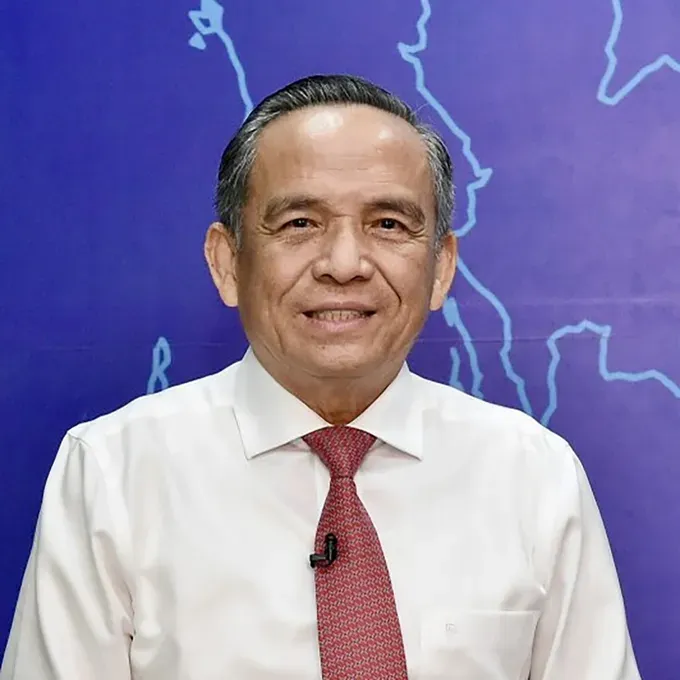
He urged planners to prioritize the development of the marine economy, logistics, an international financial center, high-tech agriculture, and strategic economic corridors connecting the Southeast region, the Mekong Delta, and international markets.
HoREA also recommended incorporating rural development and housing plans, particularly social housing and rental housing, while fully assessing challenges related to flooding, land subsidence, and climate change.
In addition, Mr. Le Hoang Chau stressed the importance of clearly defining the role of the private sector in economic development and introducing exceptional incentives to attract top talent, leading experts, and highly skilled workers.
Such measures, he said, would help transform Ho Chi Minh City into a fast-growing, sustainable, modern metropolis capable of competing on a global scale.
)