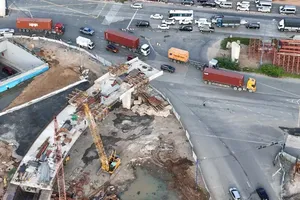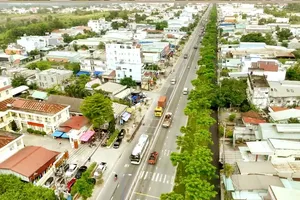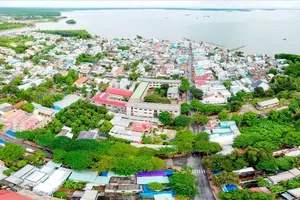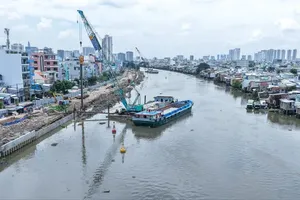
Thu Thiem New Urban Area is planned as the new financial, economic, and cultural center of HCMC, a modern, international-level hub creating a vibrant green space that promotes sustainable development and elevates HCMC’s position in the region and the world.
To date, although not fully complete, Thu Thiem New Urban Area has contributed to changing the city’s appearance and creating momentum for socio-economic development. However, during implementation, particularly in the early stages, shortcomings and deficiencies existed, leading to complaints, petitions, and feedback from some households.
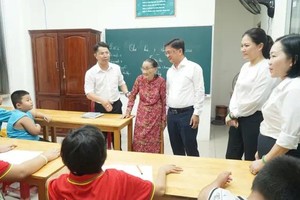
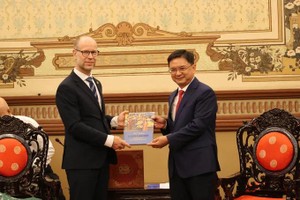
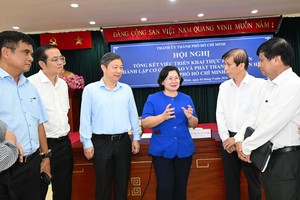
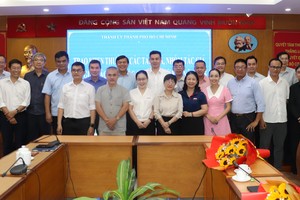
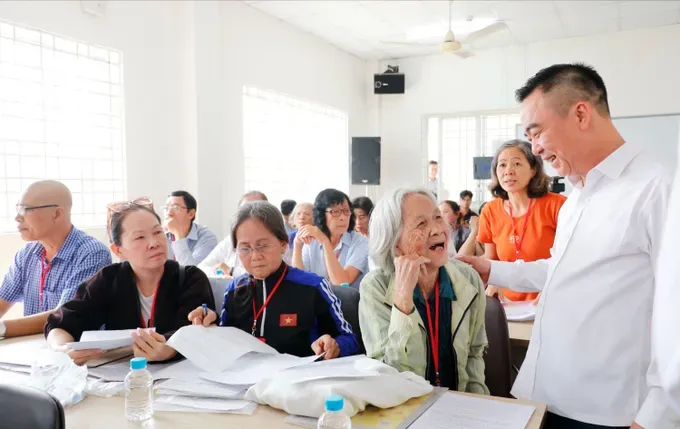
The city, together with the Government Inspectorate and the Central Citizen Reception Board, has organized many direct dialogues, contacts, and advocacy sessions to listen to thoughts and aspirations, and visited affected households to share in their difficulties, aiming to build consensus among the people.
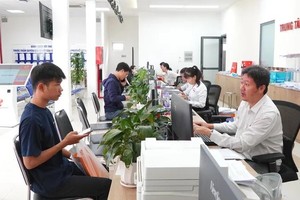
Alongside central and city leaders, the local authorities have also intensified dialogue, listening, and petitioning to resolve related issues. An Khanh Ward Chairman Nguyen Thanh Trung stated that, continuing the tasks from the former Thu Duc City People’s Committee, An Khanh Ward always identifies citizen reception and resolving resident petitions as a key task, tied directly to the responsibility of the head of the grassroots administration.
Ward leaders have strictly grasped regulations on citizen reception, ensuring processes are correct, authorized, public, and transparent. The ward chairman directly receives citizens according to the registration schedule and regularly monitors, inspects, and urges professional departments to receive, classify, and timely process resident petitions.
Not avoiding issues arising from reality, ward leaders always listen with a receptive attitude and propose the most appropriate policies for residents to create public consensus. Additionally, An Khanh Ward leverages the supervisory role of the People’s Council and the Vietnam Fatherland Front Committee of the ward in monitoring the process of citizen reception and complaint resolution.
The close coordination between the People’s Committee, People’s Council, and Fatherland Front creates a multi-dimensional monitoring mechanism, contributing to proposing practical policies and reinforcing public trust.
Along with contact, dialogue, and resolving petitions, HCMC has seriously implemented the full conclusions of the Government Inspectorate and Prime Minister’s directives. The city has reviewed and deployed supplementary policies ensuring residents’ legal rights within the legal framework.
Notably, Decision 70/2025/QD-UBND of the HCMC People’s Committee supplemented support policies beneficial to affected residents, helping them stabilize their lives.
Currently, HCMC is perfecting legalities and preparing funding to implement 10 supplementary policies to ensure the legal and legitimate rights of people whose land and houses were recovered. This represents HCMC’s effort to resolve existing issues in the Thu Thiem New urban Area implementation process.
Deputy Head of the HCMC Bar Association Ha Hai commented that Thu Thiem New Urban Area is a large-scale project that is linked to many historical stages and policies, directly impacting affected residents’ lives.
Following administrative unit arrangements, HCMC as a leading megacity has to endure heavier workload on the administration system, from urban governance and infrastructure investment to resolving long-standing backlogs.
In this context, HCMC’s simultaneous review of multiple layers of content related to Thu Thiem New Urban Area, from the legality of planning boundaries, map techniques to compensation, support, resettlement mechanisms, and budget resources, demonstrates a serious spirit of engagement and cross-system coordination from the city to the grassroots level.
The policy adjustment process, including Decision 70, results from a series of steps comparing laws with actual conditions to overcome inadequacies arising from prolonged implementation and changing socio-economic contexts.
Mr. Ha Hai assessed that the process of overcoming limitations reflects the city administration’s effort and persistence in maintaining dialogue, receiving feedback, and gradually adjusting to achieve the common goal of helping residents quickly stabilize their accommodation and lives after relocation.
For cases with historical nature like Thu Thiem New Urban Area, this is a cautious approach involving the supervision and participation of many institutions in the system. It aims to ensure social stability and residents’ legal rights during the development journey of a major city transforming strongly into a new phase.
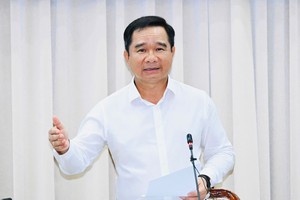
At the conference summarizing socio-economic development tasks in 2025 and deploying tasks for 2026 on January 6, HCMC People's Committee Chairman Nguyen Van Duoc stated that recently, HCMC has handled backlog projects quite well, achieving results of over 80 percent.
The city leader demanded that by the first quarter of 2026, backlog projects, works, and cases must be fully resolved, especially issues related to Thu Thiem New Urban Area, to develop the area worthy of being the city’s center.