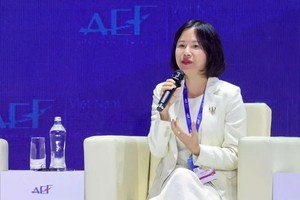
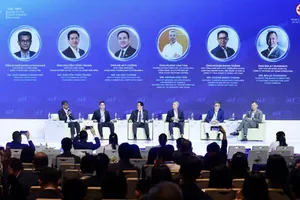
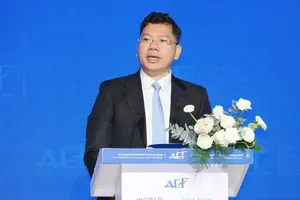
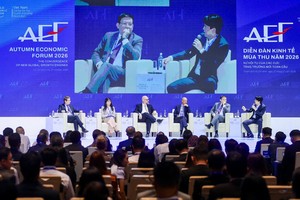
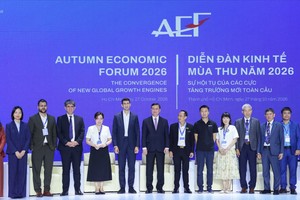
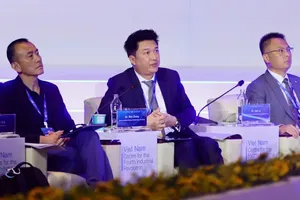
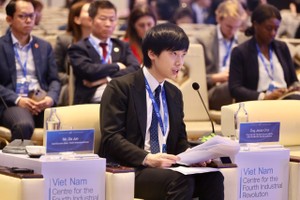
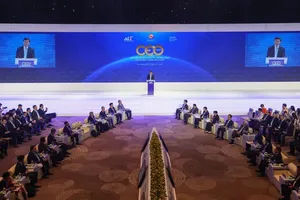
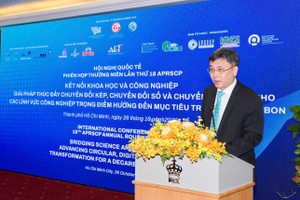
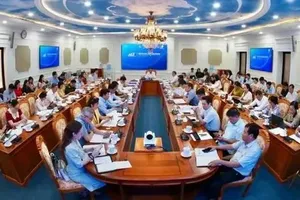
On October 27, at the “ESG for the Circular Economy” discussion session held within the framework of the Autumn Economic Forum 2026, speakers discussed solutions to increase the value of agricultural products through byproduct utilization and the reorganization of production chains.
One agricultural product can generate multiple sources of value
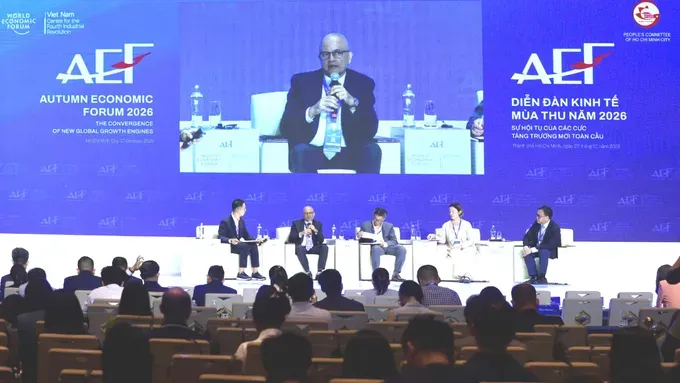
Vietnam has significant advantages in agricultural production and exports, but the value derived from byproducts remains limited. In the processing of rice, coffee, fruit, and seafood, byproducts can be transformed into raw materials for food, cosmetics, energy, and bio-based materials. As a result, the circular economy not only reduces waste treatment costs but also generates additional revenue from the same source materials.
Dr. Zinaida Fadeeva, representing the SWITCH-Asia Program, cited the example of Phuc Sinh Joint Stock Company, which developed cascara tea from coffee fruit husks. According to her, the product contributes about 5 percent of the company’s revenue, while the model involves approximately 1,500 farmers. Commercializing byproducts requires companies to improve cultivation, harvesting, and processing practices, thereby enhancing coffee quality and creating additional income streams.
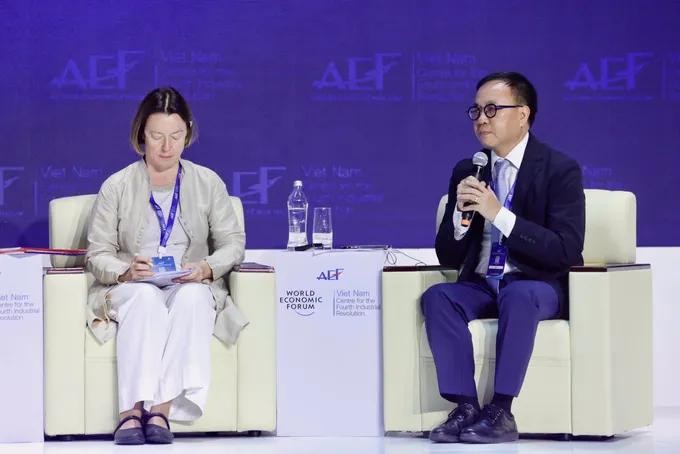
Phan Minh Thong, Chief Executive Officer of Phuc Sinh, said the company is encouraging growers to change harvesting practices and select ripe coffee cherries that meet quality standards in order to increase the value of raw materials. In one production area, more than 95 percent of participants in the supply chain are members of ethnic minority communities. The effectiveness of the circular model is therefore also reflected in its ability to improve livelihoods in raw-material-producing regions.
Commercializing products made from byproducts
Rice husks and straw can be used to produce energy and bio-based materials, while fruit peels and seeds can support food and cosmetics manufacturing. Seafood byproducts can be processed into collagen and chitosan. However, generating revenue from these resources requires suitable technology, a stable supply of raw materials, and a reliable consumer market.
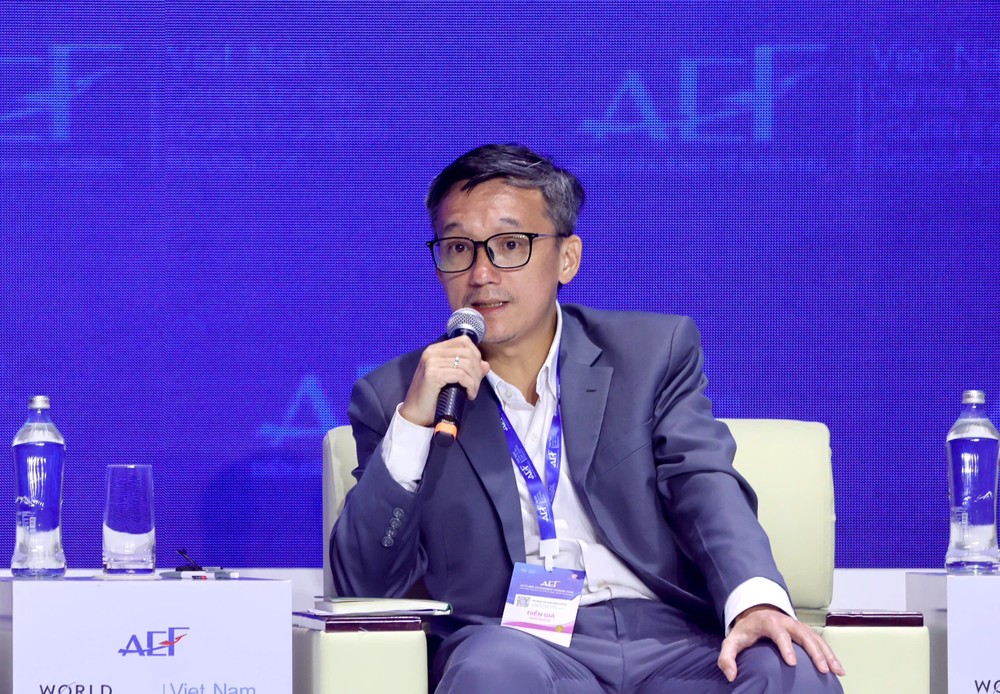
Associate Professor Nguyen Hong Quan, Director of the Institute for Circular Economy Development Research at Vietnam National University Ho Chi Minh City, previously noted that utilizing waste is only one aspect of the circular economy. More importantly, production chains must be reorganized, high-value products developed, and benefits distributed fairly among stakeholders.
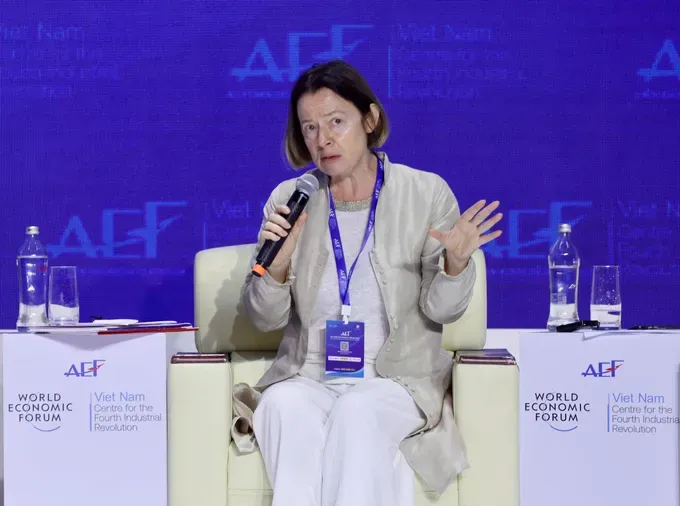
Dr. Zinaida Fadeeva also highlighted a cooperative model involving around 600 farmers that applies technology while reducing the use of chemicals and fertilizers, helping lower costs and improve production efficiency. She said that the SWITCH-Asia Program is supporting businesses in improving processes, utilizing byproducts, and developing circular business models.
Regarding commercialization, Yosiuke Konaka, a representative of Sumitomo Mitsui Trust Bank of Japan, emphasized the need to redesign business models and strengthen connections with financing sources and partners across value chains. Without stable market demand for products made from byproducts, businesses will find it difficult to expand investment.
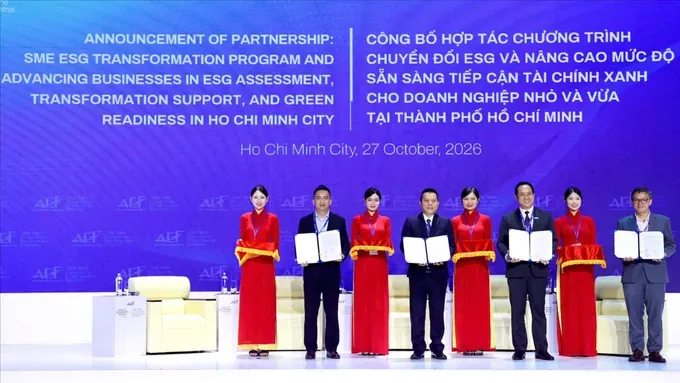
On this occasion, Nam A Bank, the Ho Chi Minh City Center for the Fourth Industrial Revolution (HCMC C4IR), the Institute for Circular Economy Development (ICED) under Vietnam National University Ho Chi Minh City, and their partners announced a cooperation agreement to implement an ESG transformation program and improve access to green finance readiness for small and medium-sized enterprises in Ho Chi Minh City.