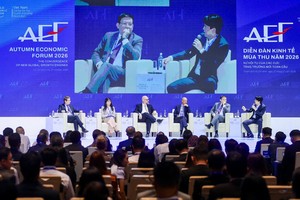
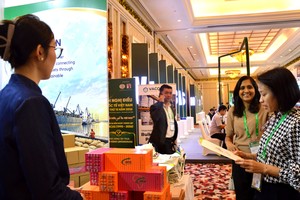
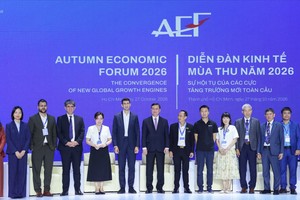
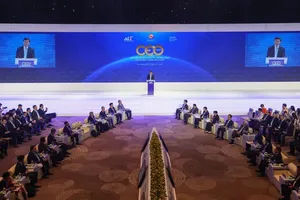
On October 27, at an ESG practices discussion session held within the framework of the Autumn Economic Forum 2026, speakers examined the impact of ESG on businesses' access to financing and participation in global supply chains.
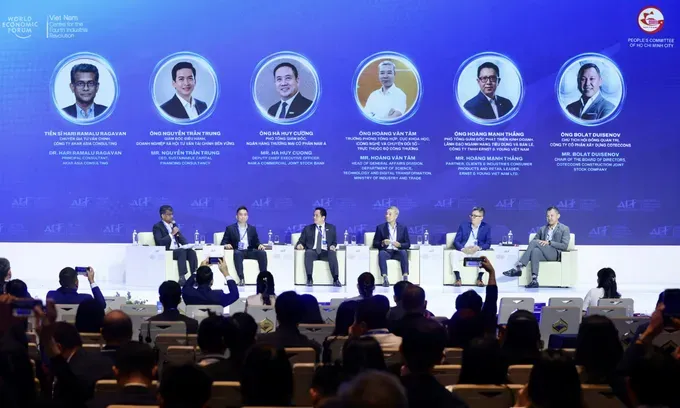
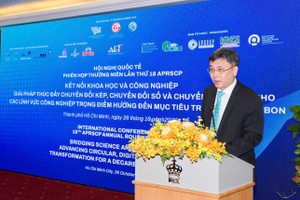
Nguyen Tran Trung, Chief Executive Officer of Sustainable Finance Consulting Company, said ESG is creating direct commercial value. When suppliers offer comparable pricing, product quality, and delivery capabilities, the ability to meet ESG requirements can become the deciding factor in partner selection.
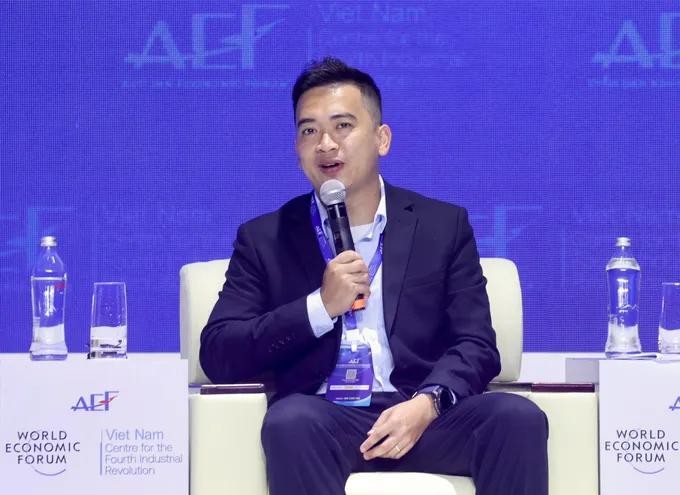
Nguyen Tran Trung, Chief Executive Officer of Sustainable Finance Consulting Company, at the event. Photo: SGGP
According to him, multinational corporations are increasingly requiring suppliers to demonstrate environmental management capabilities, emissions performance, and social responsibility practices. Small and medium-sized enterprises therefore need to adapt their governance models to retain customers and expand orders. ESG can't stop at commitments but must be supported by data, measurement methods, and concrete evidence to avoid the risk of greenwashing. Companies can begin with a flagship product, evaluate the results, and then expand implementation.
Data serves as the foundation for businesses to demonstrate ESG performance to banks and business partners. However, this remains a weakness for many small and medium-sized enterprises in Vietnam.
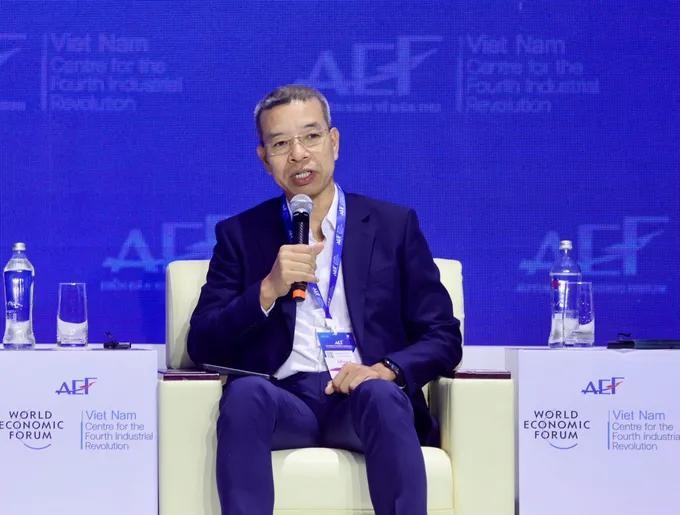
Head Hoang Van Tam of the General Affairs and International Cooperation Division at the event. Photo: SGGP
Head Hoang Van Tam of the General Affairs and International Cooperation Division under the Agency for Innovation, Green Transition and Industry at the Ministry of Industry and Trade, said a major obstacle is the lack of reliable data. Without comprehensive information systems, businesses face difficulties in preparing ESG reports, meeting the requirements of international customers, or accessing green credit.
As a result, companies can start with available data such as electricity, water, fuel, and raw material invoices, as well as waste-related documentation. They can then add measurement systems in energy-intensive production stages and move toward product-level traceability.
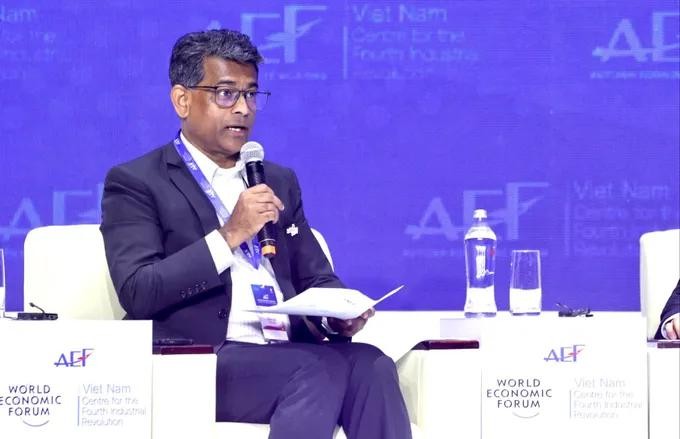
Hari Ramalu Ragavan, senior consultant at AKPA Asia Consulting, emphasized that small and medium-sized enterprises need support from banks, lead firms in supply chains, and regulatory agencies to implement ESG practices in line with their available resources. Such support should focus on reducing compliance costs, standardizing data, and turning ESG performance into a competitive advantage in accessing capital, retaining customers, and competing for orders.