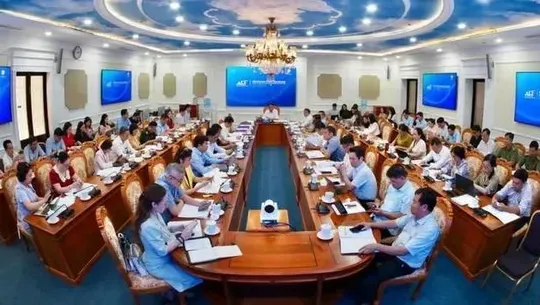
The Autumn Economic Forum 2026, taking place in Ho Chi Minh City from October 26 to 29, raises a strategic question: How can international cooperation opportunities be transformed into tangible growth drivers for Vietnam?
The global economy is undergoing significant shifts as capital seeks new destinations, technology continues to evolve, and production methods and supply chains are being reorganized.
These changes offer opportunities for deeper participation in global value chains while also creating greater competitive pressures. Technology absorption capacity, workforce quality, and the ability to connect with partners are increasingly determining the position of each economy.
For Vietnam, the challenge is particularly urgent as the country targets annual GDP growth of more than 10 percent and aims for the digital economy to contribute 30 percent of GDP by 2030. Policies focused on institutional breakthroughs, science and technology, private-sector development, and international integration are laying the foundation for a new growth model.
Vietnam must strengthen its technological capabilities, develop domestic enterprises, and move into higher value-added segments of global production chains.
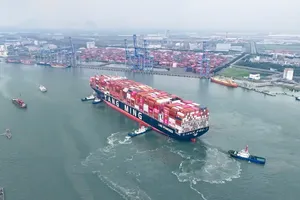
In this process, Ho Chi Minh City holds an advantage as a hub connecting domestic and international resources. Contributing about 23.4 percent of the nation's GDP, the city is expanding its development space based on industry, trade, finance, high technology, logistics, and seaports.
When integrated into effective networks, these advantages can boost the city's growth and expand its participation in global growth networks. The challenge is to move beyond attracting isolated resources and toward connecting, coordinating, and using them efficiently.
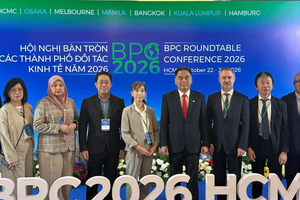
This is also the focus of the Autumn Economic Forum 2026, organized by the Ho Chi Minh City People's Committee under the theme "Cooperation Spirit in a New Era" and positioned as "The Convergence of New Global Growth Poles."
The event aims to expand policy dialogue, connect economic stakeholders, and establish new cooperation frameworks. Notably, its two main days are co-branded with the World Economic Forum (WEF), creating opportunities to link Vietnam with international networks of experts, policymakers, and businesses.
The forum is built around four pillars: the role of megacities, breakthrough technologies and innovation ecosystems, new cooperation models, and the pioneering role of the private sector. These pillars complement one another, with megacities providing connectivity, technology improving productivity, cooperation expanding resources, and businesses turning ideas into production and services.
However, technology cannot generate value if businesses lack the capacity to apply it, while capital cannot easily become investment projects without transparent institutions, suitable infrastructure, and qualified human resources. Effective coordination mechanisms are therefore needed to turn opportunities into action.
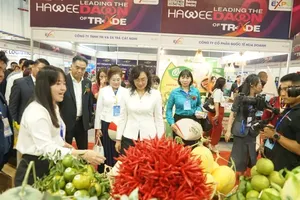
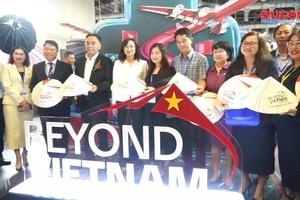
This approach is reflected in the CEO500 program, which connects investment capital, technology, and finance; 16 thematic sessions on institutions, development models, artificial intelligence, advanced manufacturing, and human resources; as well as technology demonstrations and digital and green transformation activities.
In particular, the high-level plenary session and the dialogue program with the Prime Minister of Vietnam provide a platform for discussions on development directions and new cooperation frameworks. These activities are designed to bring business concerns into policy discussions while linking technological solutions with investment and implementation needs.
However, the value of the Autumn Economic Forum 2026 lies not only in the number of delegates attending or agreements announced, but also in its ability to sustain cooperation after the event. Policy proposals need to be considered, investment opportunities further developed, and technological initiatives translated into practical applications.
The forum presents an opportunity for Vietnam to move from attracting resources to proactively organizing and using them effectively, and from simply participating in global value chains to strengthening its position within them. In a world being reshaped, competitive advantage belongs not only to those with abundant resources, but also to those capable of connecting and transforming those resources into sustainable development value.