Intra-ASEAN trade accounts for only about 22 percent of the region's total trade, prompting experts and businesses to call for cross-border industrial clusters, mutual recognition of supplier capabilities, and stronger links between domestic firms and multinational corporations to deepen regional production integration.
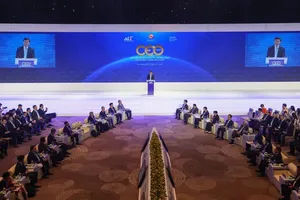
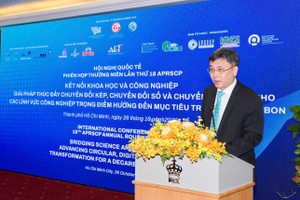
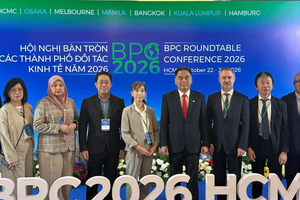
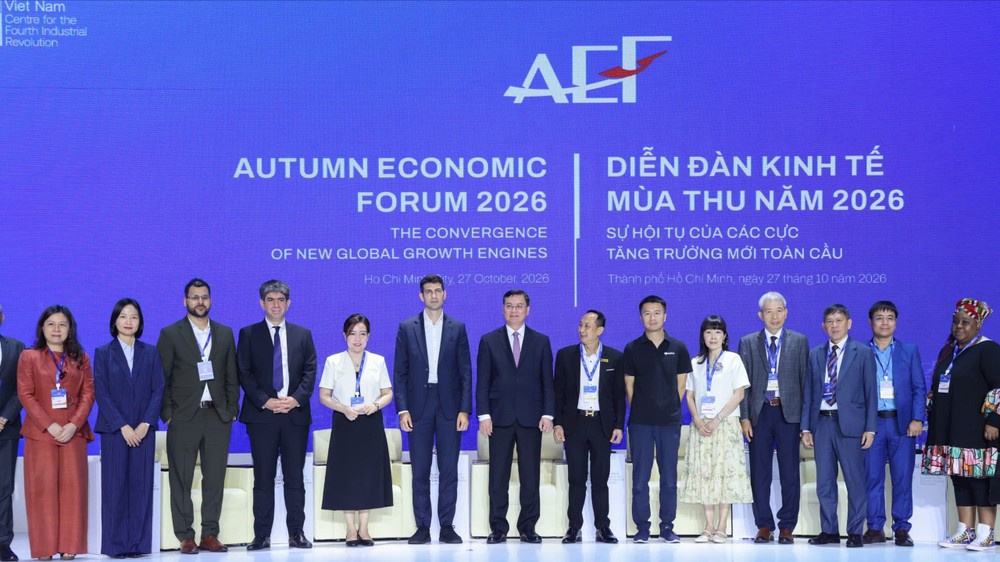
The discussion took place on October 27 at the session “Repositioning Vietnam and ASEAN in Global Value Chains,” organized by the Ho Chi Minh City Center for the Fourth Industrial Revolution (HCMC C4IR) in collaboration with the World Economic Forum (WEF) as part of the Autumn Economic Forum 2026 in Ho Chi Minh City.
Ms. Pham Quynh Mai, Deputy Director of the Ministry of Industry and Trade's Multilateral Trade Policy Department, proposed establishing cross-border industrial clusters across ASEAN in sectors including electronics, semiconductors, automobiles, and clean energy.
Rather than developing self-contained production chains within individual countries, ASEAN members could divide manufacturing activities according to their respective strengths in raw materials, components, assembly and logistics. Such an approach would strengthen regional linkages, attract investment and reduce the risk of supply chain disruptions, she said.
At the national level, Ms. Pham Quynh Mai also proposed developing supplier development programs and exploring the establishment of a fund to help small and medium-sized enterprises (SMEs) upgrade their production capabilities.
Mr. Sacha Dray, an economist at the World Bank, said ASEAN's economy was worth approximately US$4 trillion, yet intra-regional trade represented just 22 percent of total trade, significantly below the European Union's level of about 60 percent.
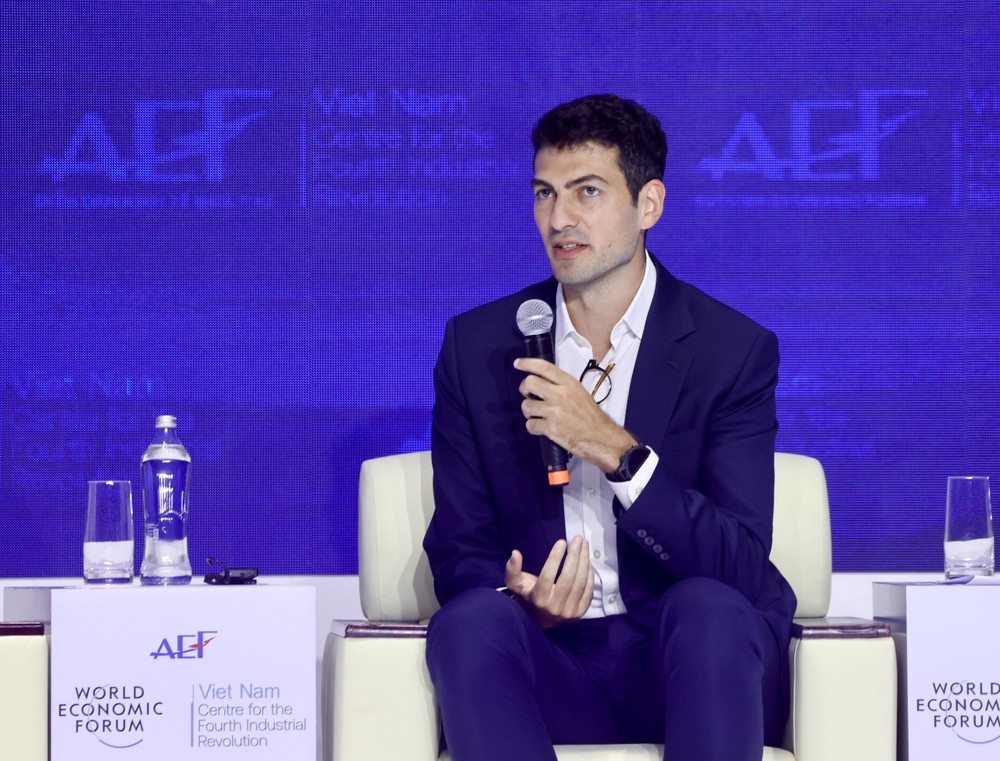
Although ASEAN economies are deeply integrated into global supply chains, production linkages among member states remain limited, he said.
Foreign direct investment (FDI) enterprises and major exporters have also failed to generate sufficient spillover benefits for domestic supplier networks. Beyond attracting investment, ASEAN must therefore expand local firms' participation in manufacturing processes to retain a greater share of value within the region.
Mr. Sacha Dray called for stronger supplier networks, the removal of non-tariff barriers, harmonized standards and streamlined cross-border trade procedures.
However, regional integration will deliver meaningful benefits only if domestic businesses have the capabilities to participate effectively.
Ms. Nguyen Thuy Lam Tuyen, General Director of ABB in Vietnam, noted that factories could be relocated and technologies purchased, but manufacturing expertise and management capabilities could not be developed overnight.
She said FDI should be evaluated not only by the equipment it brings or the scale of investment, but also by its contribution to transferring management practices, quality standards and technical skills. These capabilities enable Vietnamese companies to meet international supply chains' requirements for reliability, traceability and operational consistency.
Technology also offers businesses a pathway to higher-value activities in global supply chains.
Mr. Yuxiang Zhou, Founder and Chief Executive of Black Lake Technologies, cited an artificial intelligence (AI) application that reduced the time needed to convert engineering drawings into manufacturing instructions from 45 hours to 45 seconds, with approximately 95 percent accuracy.
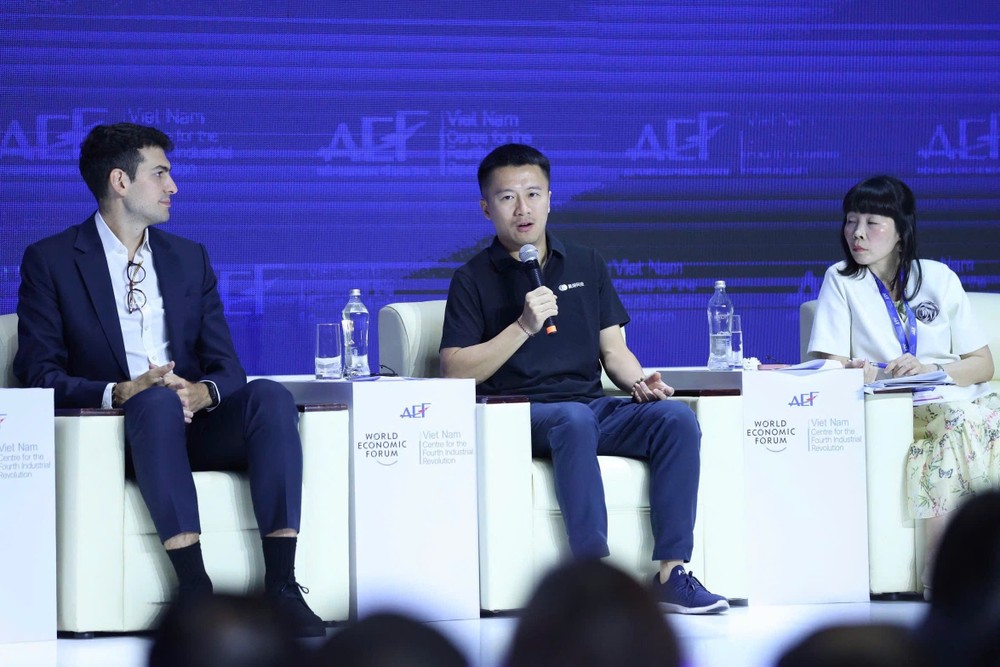
AI's broader potential lies in helping factories shift from mass production toward rapidly fulfilling smaller, customized orders and improving profit margins, he said.
Strengthening ASEAN's position in global value chains therefore requires more than producing goods faster or in greater volumes. It also demands stronger technological capabilities, greater innovation and increased participation in higher-value manufacturing activities.