Ho Chi Minh City should commission innovative businesses to develop artificial intelligence (AI) solutions for flooding, traffic congestion, and environmental monitoring, experts said at a technology forum on October 26, emphasizing the need to translate technology investment into tangible economic value.
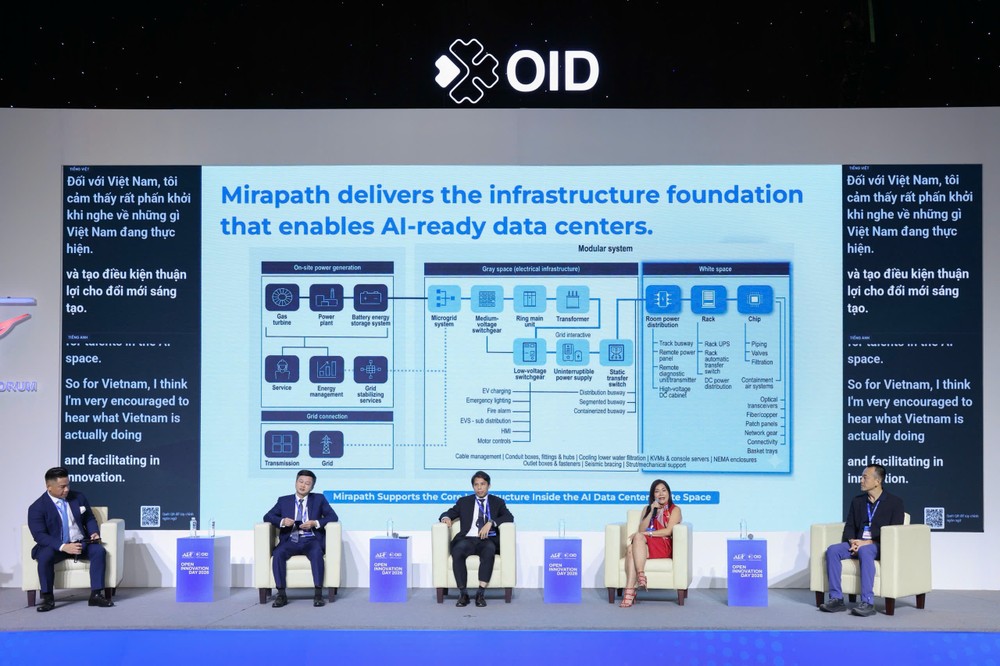
The discussion took place at the seminar “From Computing Power to Economic Value: The Technology Ecosystem for AI Infrastructure,” part of Open Innovation Day 2026 under the Autumn Economic Forum 2026.
Mr. Nguyen Tuan Huy, Deputy Head of Technology at MobiFone Telecommunications Corporation, urged the city to assign businesses specific tasks based on pressing urban needs. Such an approach would help companies move beyond research and pilot projects to deploy practical solutions, he said.
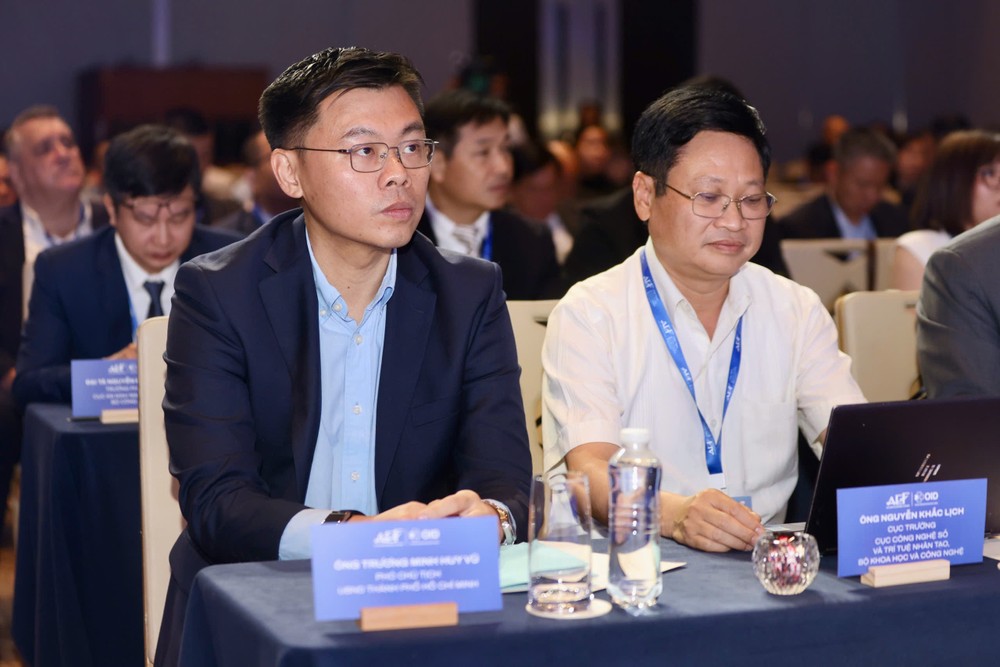
Citing Hanoi's experience, Mr. Nguyen Tuan Huy said MobiFone had participated in deploying AI-powered camera systems for traffic management, traffic violation detection, and law enforcement investigations. In some cases, AI reduced the time required to retrieve surveillance footage from about five days using conventional methods to just three hours, a 97.5 percent reduction.
Mr. Nguyen Tuan Huy also highlighted a digital twin model in Longgang District, Shenzhen, China, which covers approximately 388 square kilometers and has a population of 4.18 million. According to his presentation, the system integrates around 310 data layers to model 13,000 buildings and associated infrastructure.
Combining geographic data, building information modeling, and AI, the platform enables authorities to monitor power and drainage networks and simulate rainfall scenarios. Officials can also model the operation of pumps and water valves to develop responses to flooding.
When traffic congestion occurs, AI camera footage and water-level sensors can help determine whether localized flooding is contributing to the problem. This integrated approach allows authorities to coordinate traffic management and flood mitigation rather than tackle the issues separately.
Ms. Doris Yeh, Founder and CEO of US-based Mirapath, cited a price of approximately US$2.6 million for a single AI computing equipment rack, excluding electricity, cooling systems, supply chains, and operational personnel. The return on investment depends not only on infrastructure capacity but also on how effectively the technology addresses real-world needs, she said.
Participants called for coordinated investment in computing infrastructure, shared AI platforms, digital mapping, smart cameras and Internet of Things (IoT) sensors. Under the proposed approach, the government would identify priorities and establish investment mechanisms, while businesses would develop and deploy solutions.
The city could mobilize additional resources through public-private partnerships, investment funds and international financing programs to ease pressure on public finances. Demand-driven commissioning could help businesses commercialize their products and expand Vietnam's domestic AI market.
Strategic partnerships target next-generation industries
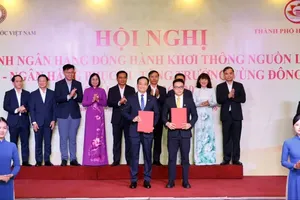
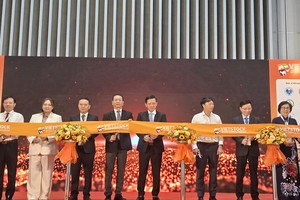
Open Innovation Day 2026 also saw the announcement of strategic cooperation initiatives involving SHTP, MobiFone, MOBY, Chau Giang, Ryvid, TADI Global, NACENTECH, and CITARES to develop a next-generation industrial ecosystem in Ho Chi Minh City.
The partnerships focus on AI, digital technology infrastructure, next-generation energy, and smart manufacturing. Their priorities include identifying needs among businesses, industrial parks, and local authorities, then connecting research, technology, and investment resources to develop solutions and bring them to market.
The participating organizations aim to turn cooperation agreements into concrete projects, strengthen technological capabilities, and enhance the competitiveness of Vietnamese businesses.