Green transformation in logistics must be linked to cost savings, enhanced competitiveness, and compliance with increasingly demanding standards in global supply chains. Businesses can start by optimizing transport routes, reducing empty vehicle trips, and connecting data systems.
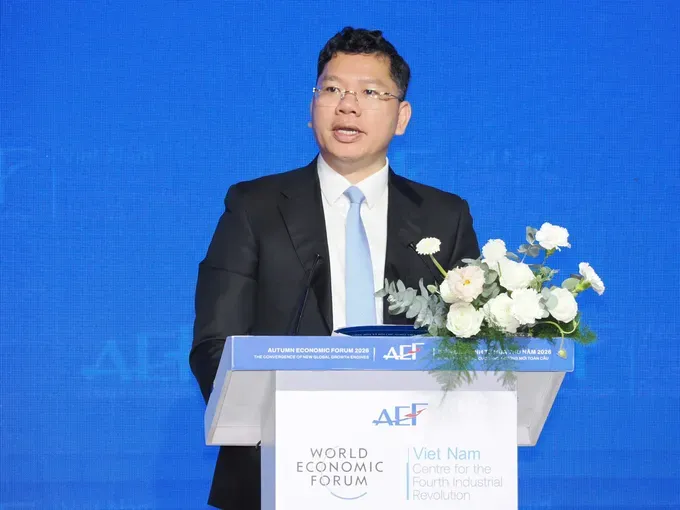
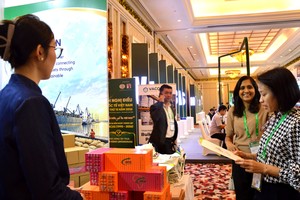
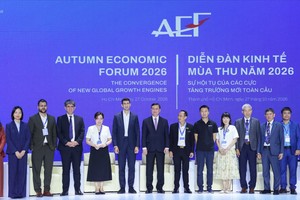
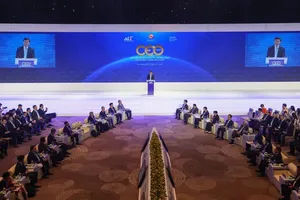
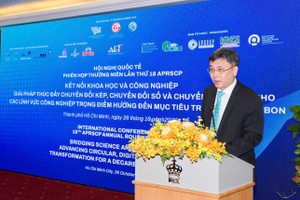
On October 27, at the thematic session “Sustainable Global Value Chains: Green Logistics,” held as part of the Autumn Economic Forum 2026, speakers emphasized the need to synchronize infrastructure, technology, and data to turn green logistics into a competitive advantage for businesses.
Speaking at the event, Vice Chairman Hoang Nguyen Dinh of the Ho Chi Minh City People's Committee said global value chains are being reorganized to become greener, more transparent, and smarter. International cooperation is no longer limited to the exchange of goods but now requires the integration of standards, technologies, and data throughout the entire production-to-consumption process.

According to the Vice Chairman of HCMC, greening operations and enhancing transparency are becoming prerequisites for businesses seeking access to markets and capital. Competitiveness depends not only on individual companies but also on the logistics infrastructure, technology, workforce, and data capabilities of the broader ecosystem.
Businesses cut costs through supply chain reorganization
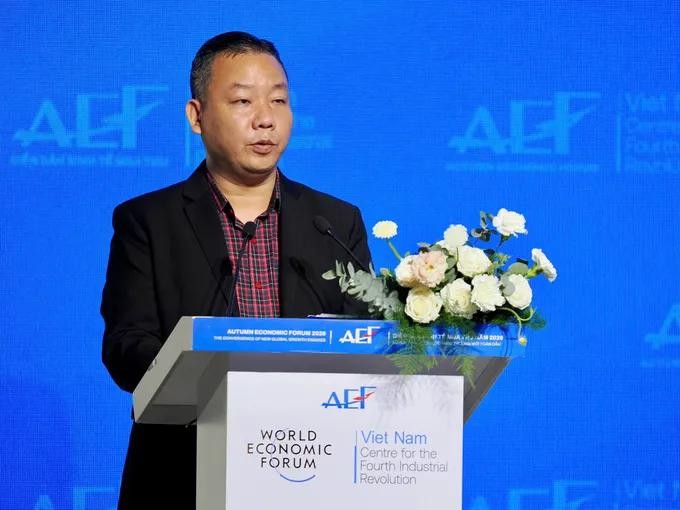
Senior specialist Bui Ba Nghiem at the Agency of Foreign Trade under the Ministry of Industry and Trade said green logistics must go hand in hand with digital transformation, with economic and environmental efficiency serving as key benchmarks. Reforms in customs clearance procedures, specialized inspections, the use of electronic documents, and data connectivity can help reduce waiting times, warehousing costs, and unnecessary transportation activities.
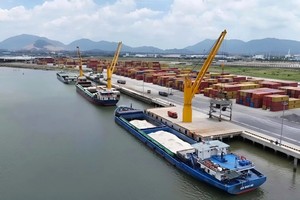
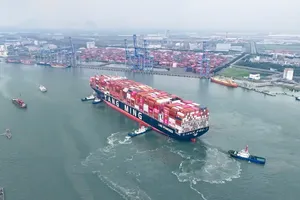
For Ho Chi Minh City and the Southern Economic Zone, he proposed stronger connections among manufacturing centers, warehouses, inland waterway transport networks, and the Cai Mep-Thi Vai port cluster. Investments in seaports should be synchronized with post-port infrastructure while bottlenecks involving shipping channels, terminals, storage yards, and cargo consolidation points are addressed. Businesses do not necessarily need to start with major investments. Optimizing routes, reducing empty runs, consolidating cargo, saving energy in warehouses, and applying transport management software can all help lower costs, fuel consumption, and emissions.
Ishita Dhamani, Partner in EY Singapore's Consulting Division, noted that even a highly productive factory can lose its competitive edge if its logistics system lacks sustainability or cannot demonstrate the carbon footprint of its products. Therefore, green transformation must be implemented across the entire supply chain.
Data connectivity boosts competitiveness
Cao Hong Phong, Deputy General Director of Cai Mep Gemadept - Terminal Link Port Joint Stock Company (Gemalink), pointed out that disconnected information among cargo owners, transport operators, and seaports can cause shipments to miss vessel departures and incur additional costs, even when each individual stage has been completed. He proposed piloting a data platform linking refrigerated container transportation from the Mekong Delta to Cai Mep-Thi Vai Port. The platform would enable monitoring of cargo loading progress, storage temperatures, barge schedules, and customs clearance status.
Truong Tan Loc, Chairman of the Members' Council of Tan Cang - Cai Mep International Port Co., Ltd., said businesses are using numerous digital platforms but lack interoperability. He proposed standardizing data formats, electronic documentation, and evaluation criteria for green ports, green warehouses, and green logistics based on CO₂ emissions levels, energy efficiency, and operational performance.
According to experts, stronger data connectivity and the measurement of green transformation outcomes will provide businesses with a solid basis for reducing costs, demonstrating compliance with international standards, and integrating more deeply into global value chains.