")
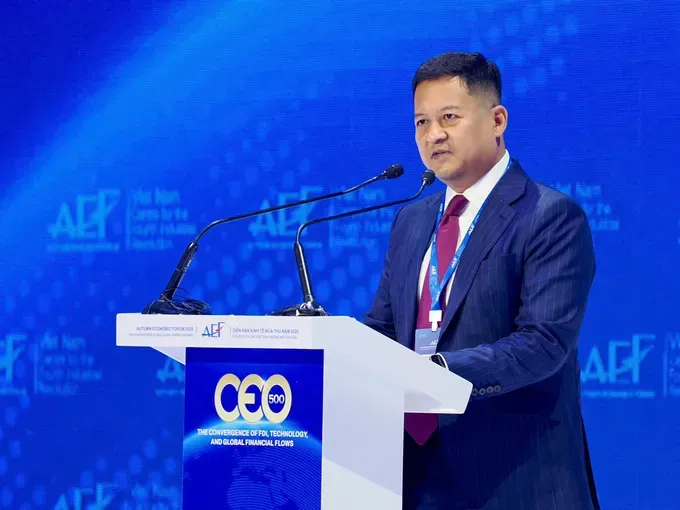
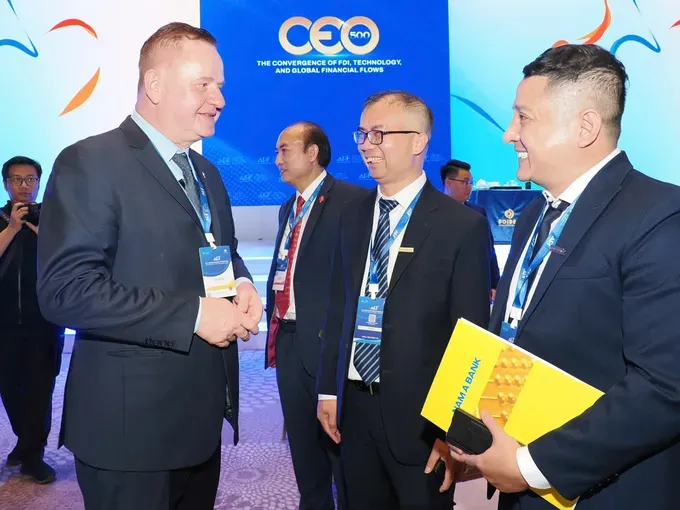
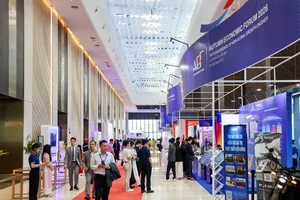
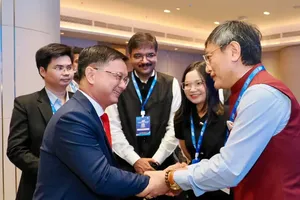
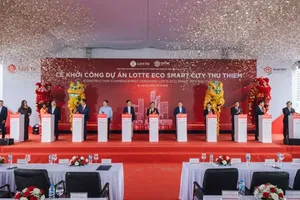
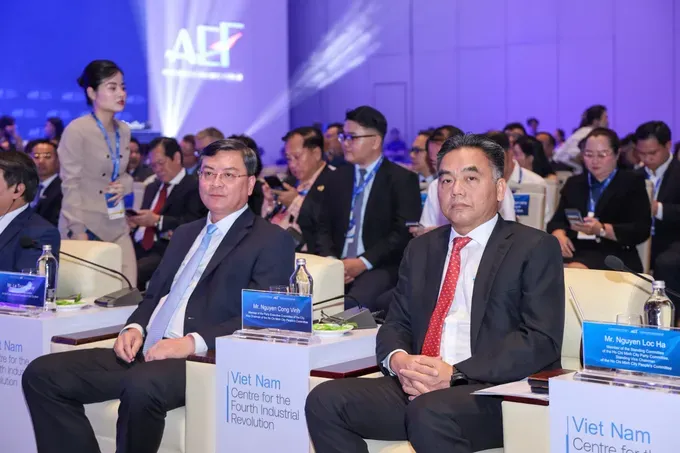
The event drew the attendance of Standing Vice Chairman of the Ho Chi Minh City People's Committee Nguyen Loc Ha and Vice Chairman of the Ho Chi Minh City People's Committee Nguyen Cong Vinh, alongside leaders from the Ministry of Finance and the Ministry of Foreign Affairs. Also present were representatives of international organizations, local authorities, financial institutions, and over 500 business executives seeking to explore cooperative opportunities and new growth initiatives for Ho Chi Minh City.
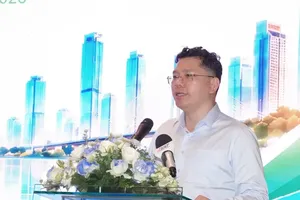
Delivering the opening remarks, Vice Chairman of the Ho Chi Minh City People's Committee Nguyen Cong Vinh emphasized that Ho Chi Minh City prioritizes attracting high-quality foreign direct investment (FDI) linked with technology, energy infrastructure, and sustainable finance, aiming to pull in US$19 billion in foreign investment in 2026. The city focuses on driving four key growth engines, including infrastructure and new development space, an international financial center, and clean energy, as well as the digital economy and innovation.
Under the spirit of "clear tasks, clear leads, clear deadlines," Ho Chi Minh City committed to partnering with investors to translate dialogues into concrete cooperative projects. Regarding strategic vision, the city does not merely serve as a major domestic market but positions itself to become a gateway connecting Vietnam with global capital flows, technology, markets, and development resources for both the region and the world.
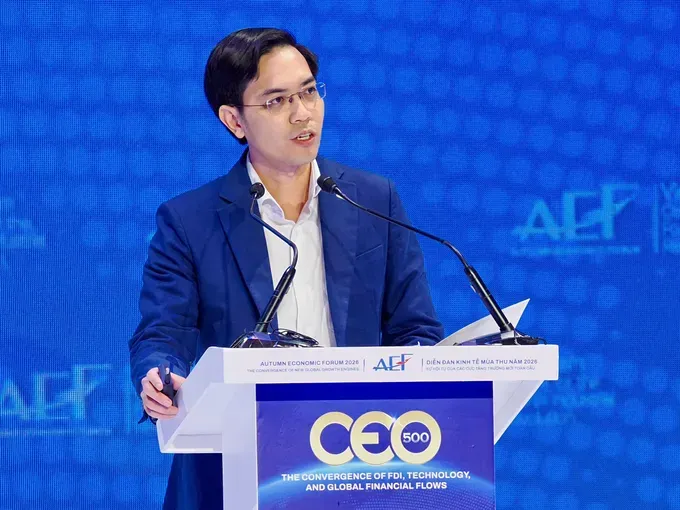
Presenting the paper "Global Perspective: The Next Wave of Growth," Fazurin Jamaludin, Resident Representative of the International Monetary Fund (IMF) for Vietnam and Laos, noted that the AI-driven tech cycle is serving as a vital engine fueling global technology investment and exports.
Commending Vietnam's positive economic growth momentum, the IMF representative recommended that near-term priorities should focus on price stability and preserving fiscal space, combined with strengthening international cooperation on trade rules, energy security, and supply chain diversification. In the medium and long term, to sustain durable growth, Vietnam needs to further accelerate structural reforms, centered on boosting labor productivity, improving public investment management efficiency, and developing capital markets.
From the perspective of a dynamic metropolis proactively integrating into the global economy and aiming to become an international economic and financial center, capturing shifting global capital flows and growth drivers will unlock numerous strategic partnership opportunities in the future.
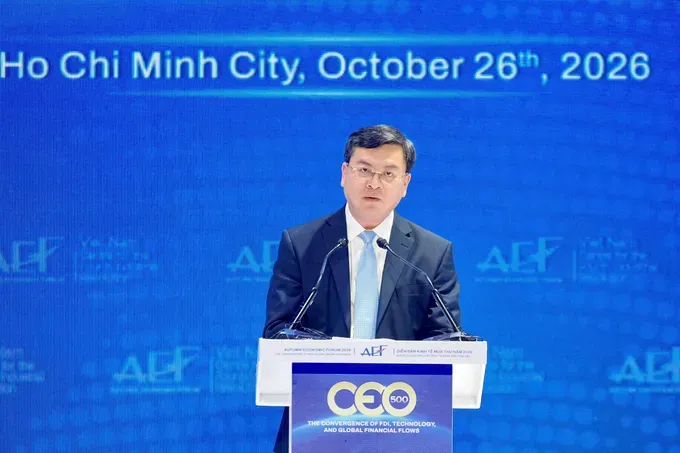
Delivering the presentation "Ho Chi Minh City: Readiness for Next-Generation Investors," Assoc. Prof. Dr. Nguyen Huu Huan, Vice Chairman of the Executive Agency of the Vietnam International Financial Center in Ho Chi Minh City (VIFC-HCMC), emphasized the need to shift focus from attracting investment volume to mastering technology and enhancing domestic value added. VIFC-HCMC is positioned as a strategic bridge directing international capital toward Vietnam's research and development (R&D) networks, human resources, and domestic enterprises.
The city prioritizes attracting new-generation capital flows into core technology sectors such as artificial intelligence, semiconductors, digital finance, and green tech. The strategic vision aims to decisively transition Vietnam from assembly and contract manufacturing to intellectual property ownership and technology autonomy, thereby elevating its standing in global value chains.