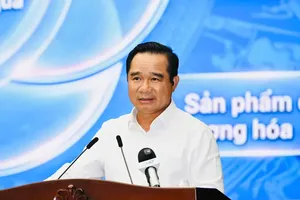
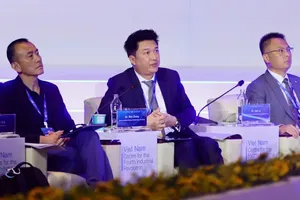
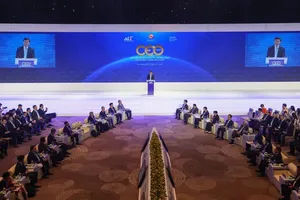
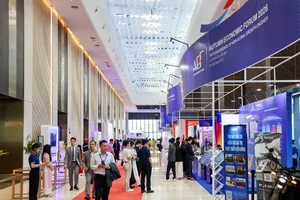
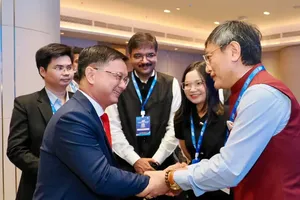
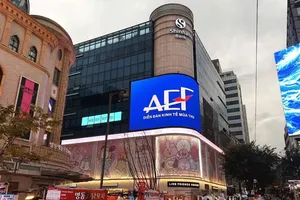
They were speaking at an energy-focused discussion on October 26 during the CEO 500 program, themed “The Convergence of FDI, Technology and Global Financial Flows,” held as part of the Autumn Economic Forum 2026.
Mr. Jian Lu, Vice President of China's Windey International Energy Co., proposed integrating solar power and energy storage with smart charging and battery-swapping systems to support the large-scale transition from gasoline-powered motorbikes to electric models.
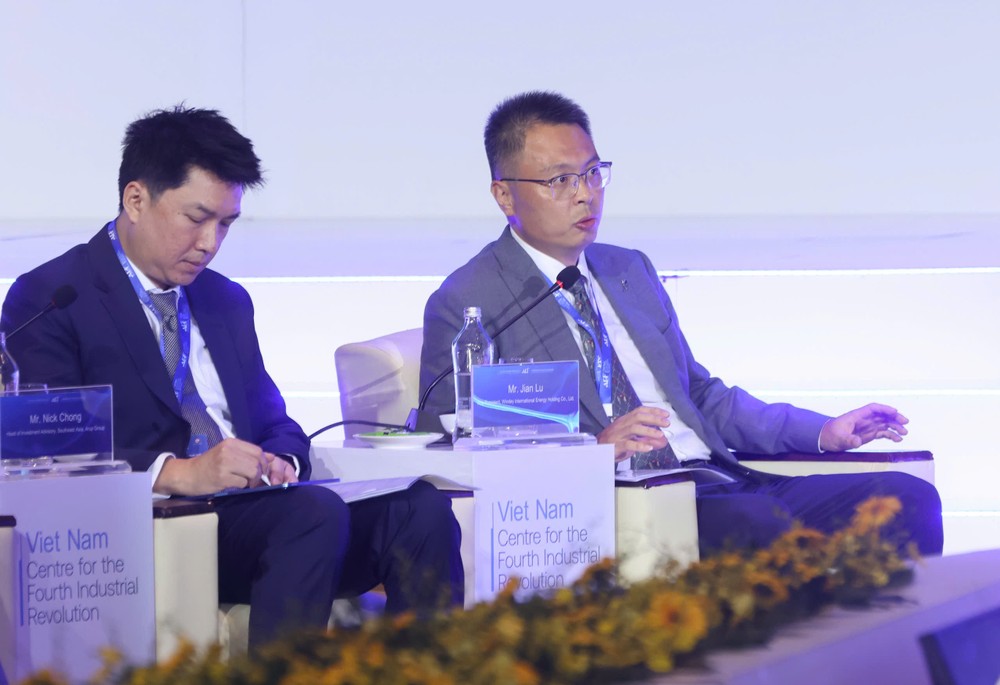
To meet the rising electricity demand of AI data centers (AIDCs), Windey presented a solution combining wind power, solar energy, and storage that could supply up to 70 percent of their operating electricity needs. The company also projected that average electricity generation costs across this integrated system could fall by nearly half over the next five years.
Mr. Jian Lu emphasized the importance of developing circular models for battery and energy equipment recycling to improve resource efficiency and reduce waste.
Mr. Pham Quoc Anh, Executive Chairman of Pacifico Energy Vietnam, said energy infrastructure must be developed in tandem with other investment conditions to attract foreign direct investment (FDI) and next-generation technologies.
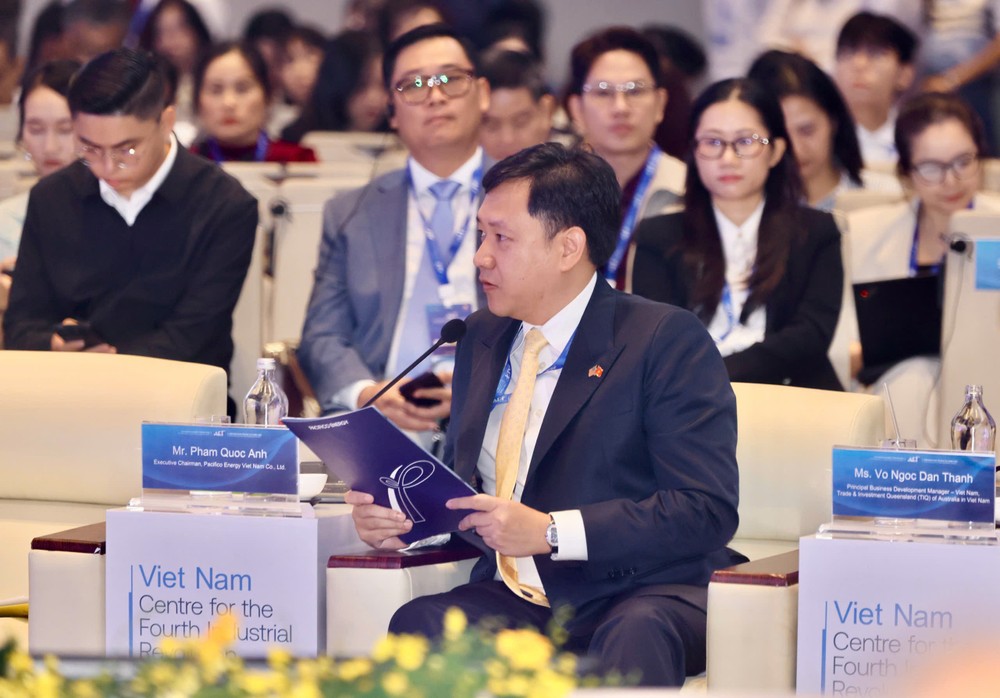
Drawing on experience with offshore wind projects totaling 1.8 gigawatts (GW), including a 500-megawatt project in waters off Ho Chi Minh City, he urged the city to proactively plan its maritime space and coordinate electricity transmission infrastructure.
He also proposed piloting mechanisms to connect the electricity demand of high-tech projects directly with energy suppliers, facilitating direct power purchase agreements (DPPAs).
The proposals underscored that green energy is not only essential to emissions reduction but also a key factor in strengthening the city's competitiveness and attracting long-term investment.
Streamlined procedures, stronger business links
At the digital economy and technology discussion, international executives called for a more predictable investment environment, integrated digital infrastructure and regulatory frameworks that allow emerging technologies to be tested and commercialized.
Mr. Nguyen Lam Thanh, CEO of TikTok Vietnam, said the company was pursuing two major projects: TikTok Shop Vietnam, with registered capital of US$125 million, and Swift Logistics, valued at US$980 million. However, procedures involving multiple agencies made it difficult to predict when the projects could begin operations.
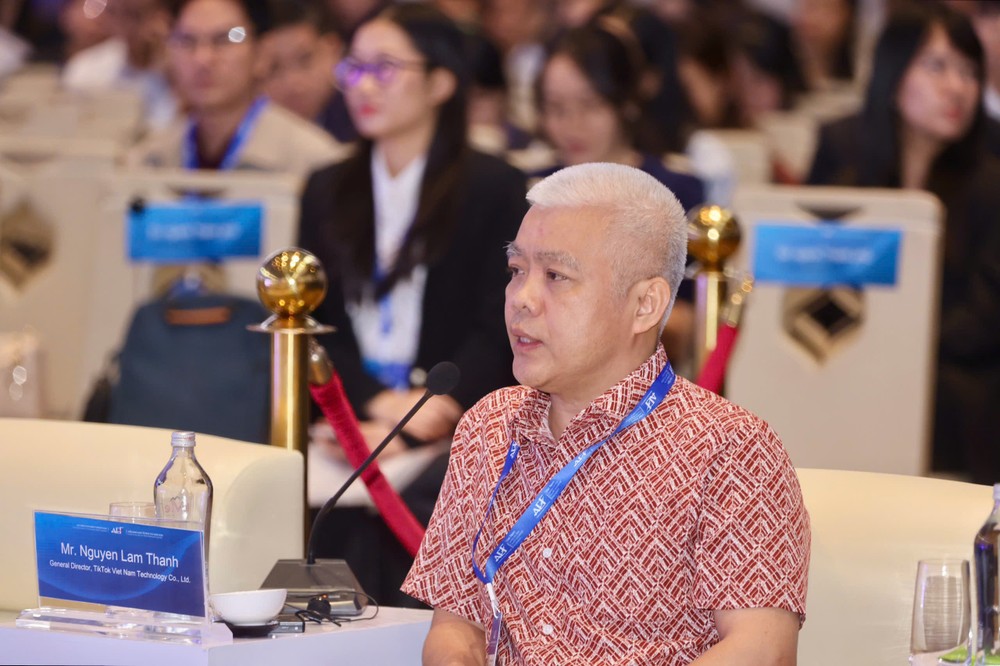
He called for simpler administrative processes and closer connections between foreign-invested companies and domestic businesses. He also proposed working with the city to standardize online information about newly merged wards and communes, helping promote local destinations, tourism and commerce.
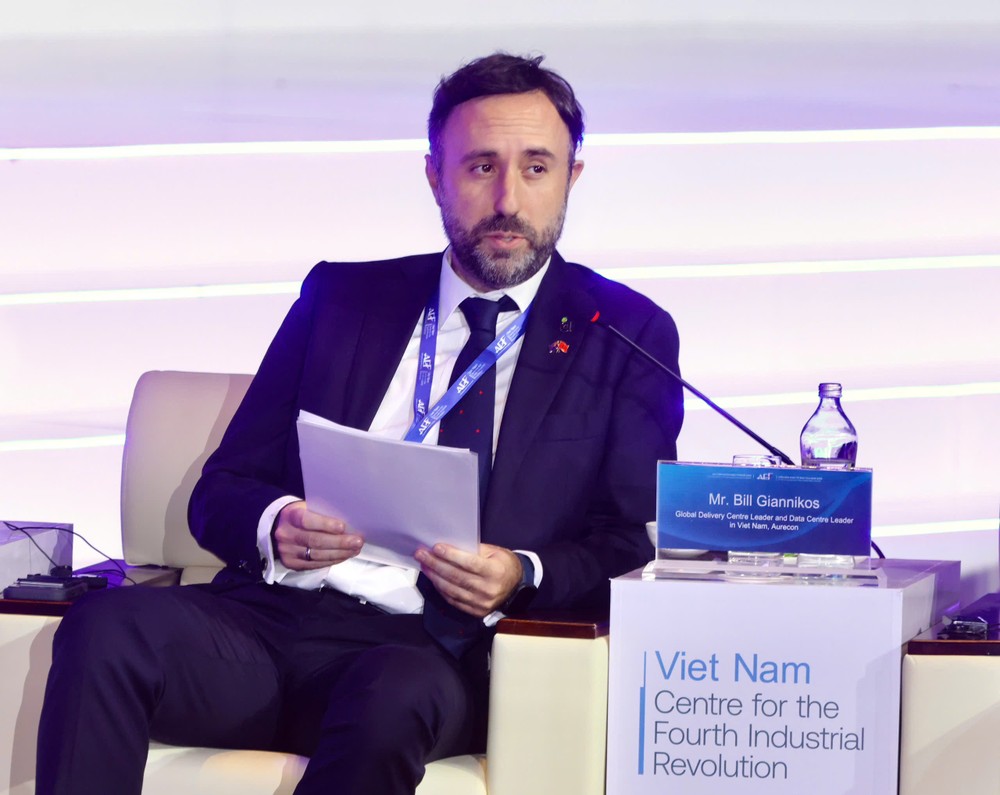
Mr. Bill Giannikos, Global Services Center Director and Data Center Director at Aurecon Vietnam, stressed that digital infrastructure planning must coordinate land availability, electricity supply, connectivity and water resources. Investment performance should be measured not merely by capacity but also by the value delivered to businesses, healthcare, education and public services.
Mr. Jesse Choi, CEO of Sunwah Group for ASEAN, urged the city to create real-world testing environments for technologies ranging from AI-powered wastewater treatment systems, which could cut operating costs by 20 to 25 percent, to drones and autonomous electric vehicles for logistics.
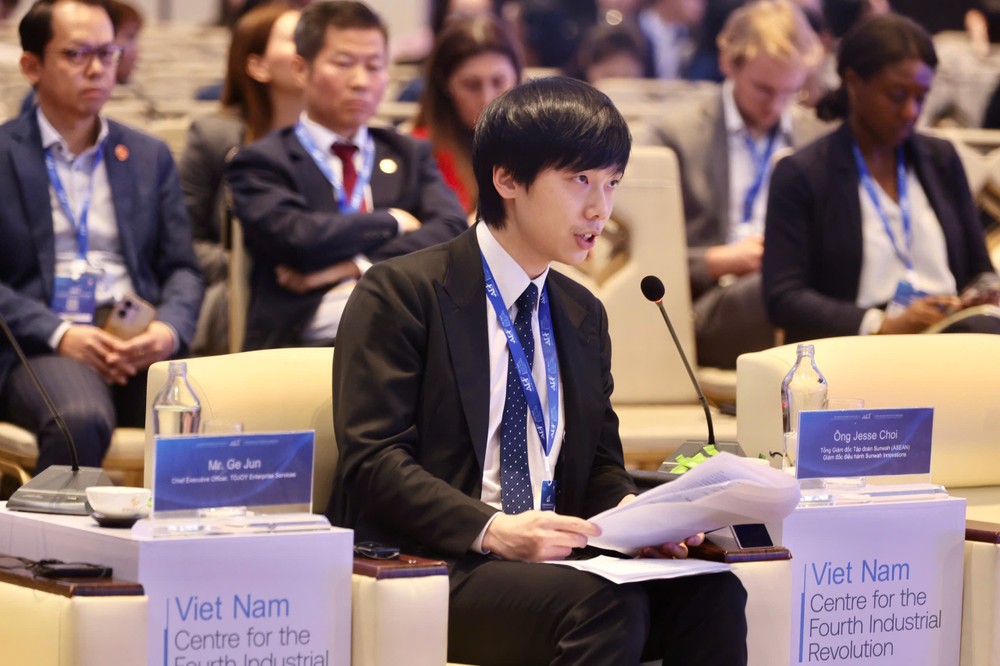
He said the city should provide testing sites, establish safety standards and develop clear pathways for commercial deployment.
In e-commerce, Mr. Larry Hu, Southeast Asia Managing Director of Amazon Global Selling, reported that the number of products from Vietnam sold on Amazon rose by approximately 35 percent in the 12 months through July 2025, while the number of sellers registering their own brands increased by nearly 30 percent.
Amazon pledged to support the GoGlobal program for 2026–2030 and train more than 500 young entrepreneurs to help Vietnamese businesses expand internationally.
Closing the CEO 500 program, Mr. Nguyen Cong Vinh, Vice Chairman of the Ho Chi Minh City People's Committee, said the forum's core value lay in turning connections into cooperation, ideas into initiatives and commitments into concrete projects.
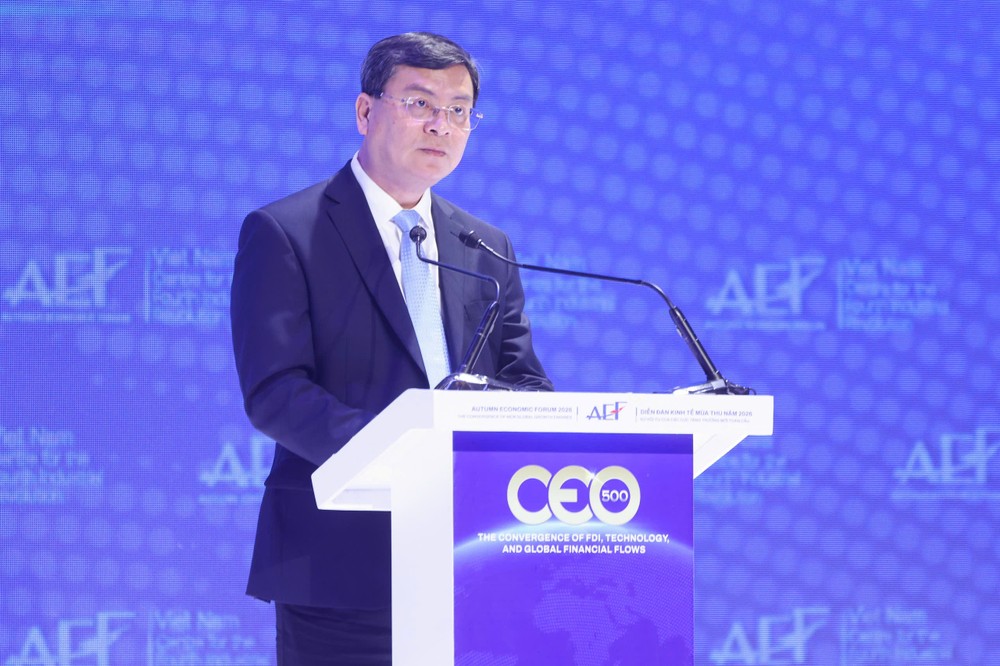
City leaders invited international investors and businesses to help build a green, technology-driven, sustainable economy, pledging to work with them to identify suitable locations, resources, and implementation timelines.
To translate the proposals into action, the city designated its Center for the Fourth Industrial Revolution (C4IR) as the focal point for collecting and consolidating initiatives, recommendations and projects, with a view to advancing implementation after the forum.
The city also encouraged major corporations to take a leading role in enabling Vietnamese small and medium-sized enterprises to participate more deeply in global value chains.