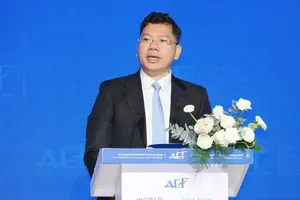
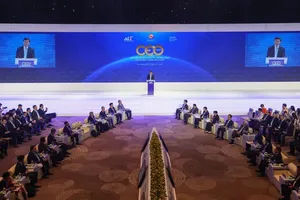
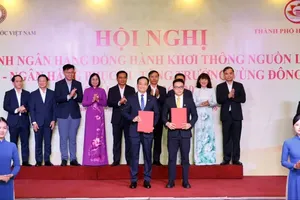
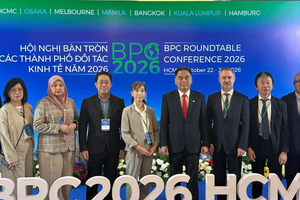
The session, titled “International Financial Centers: How to Attract Global Capital,” was chaired by Mr. Truong Minh Huy Vu, Vice Chairman of the Ho Chi Minh City People's Committee.
Investment fund admission rules expected in November
In his opening remarks, Mr. Truong Minh Huy Vu reaffirmed Vietnam's commitment to developing international financial centers in Ho Chi Minh City and Da Nang to channel capital into the economy.
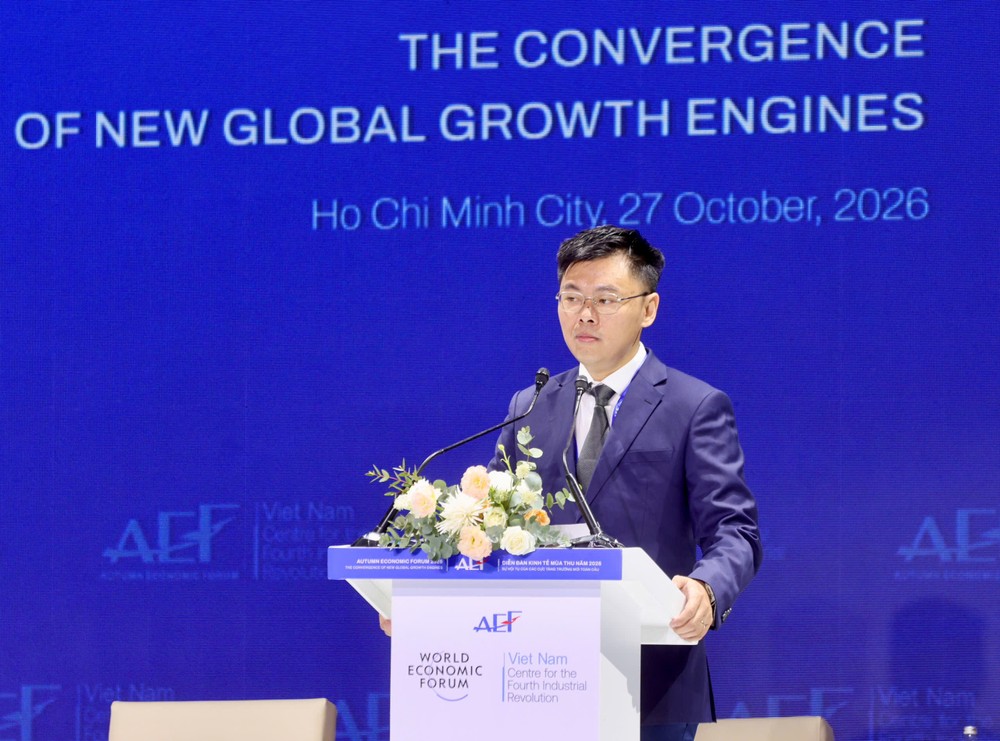
The Ho Chi Minh City center (VIFC-HCMC) has admitted its first ten members. It plans to introduce procedures and regulations for admitting investment funds in November 2026, with three tiers modeled on financial centers in Singapore, Dubai, and Hong Kong (China) to attract different types of capital.
Mr. Marc Knapper, former US Ambassador to Vietnam, Chairman of Knapper Global Advisors and Member of the VIFC-HCMC Advisory Team, said Vietnam had established the center's legal foundations in just over a year. These include specialized courts, an international arbitration center and the participation of major domestic banks as founding members.
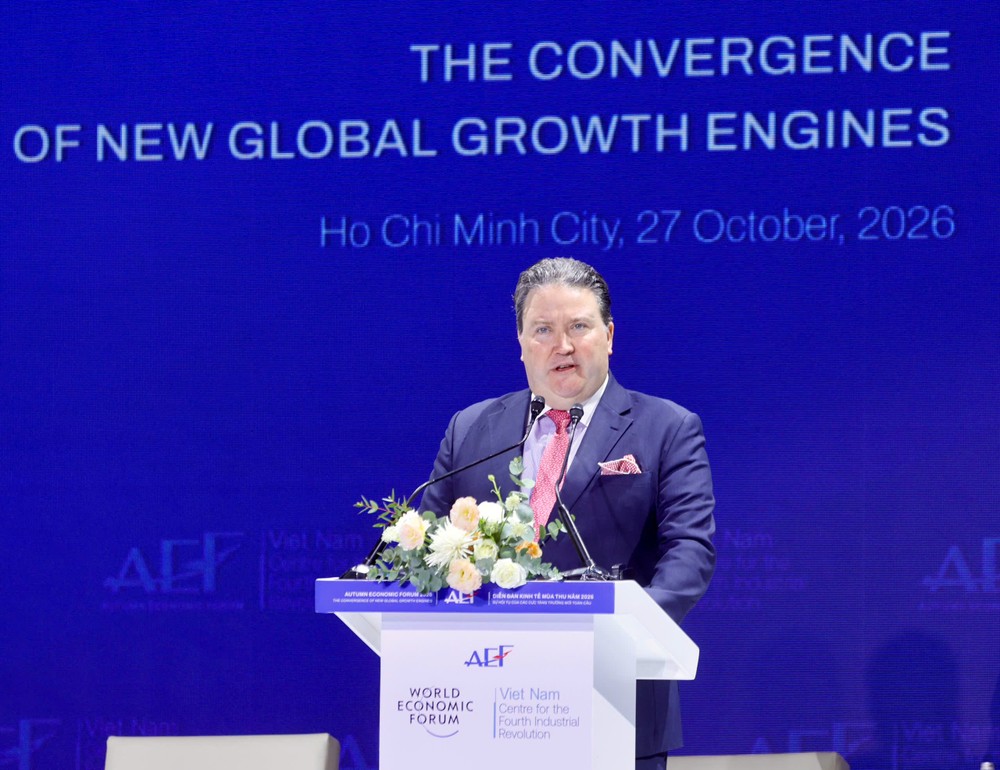
International financial institutions, he said, must demonstrate a tangible presence, uphold high governance standards and commit to long-term cooperation. In return, investors expect predictable policies, extensive market access and a highly skilled workforce.
Dr. Can Van Luc, Chief Economist at BIDV, outlined the funding requirements for Vietnam's ambition to achieve double-digit economic growth by 2030. Total investment would need to remain at 35-40 percent of gross domestic product, equivalent to US$280-300 billion annually, while the State budget could cover only 20-22 percent of the requirement.
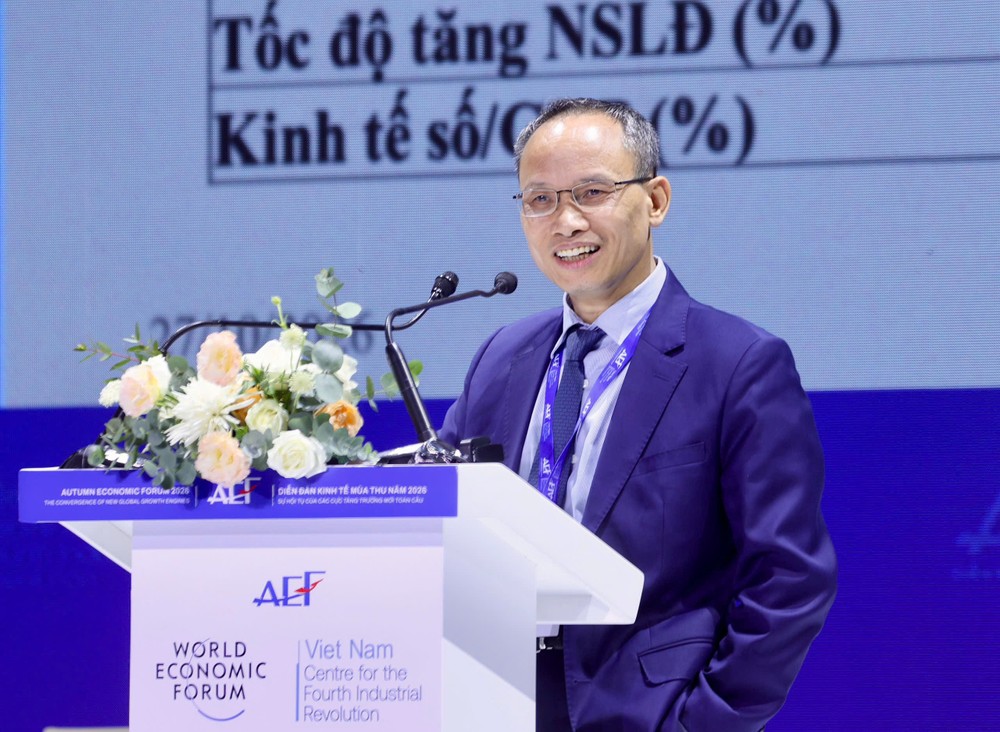
Vietnam's financing structure remains heavily dependent on banks, with credit accounting for 51 percent of total funding and the credit-to-GDP ratio reaching 144 percent. Equity and bond markets contribute only about 23 percent, while capital allocation remains inefficient and the regulatory framework for pilot mechanisms is slow to develop.
Dr. Can Van Luc said a sustainable financial market must rest on three pillars: transparency, professionalism and market-based resource allocation.
Policy predictability builds investor confidence
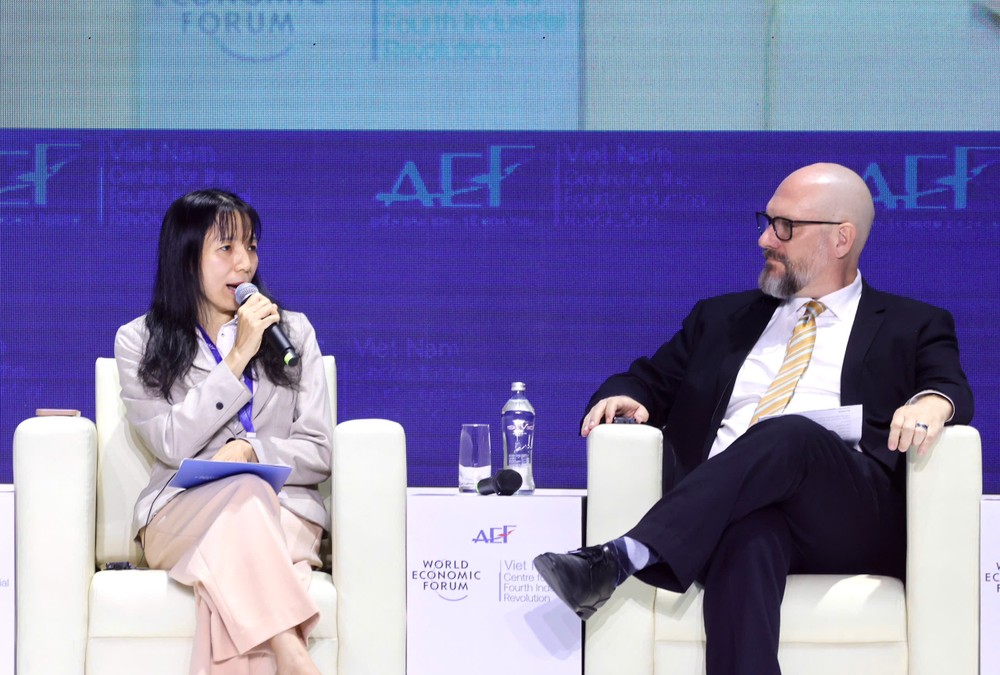
Moderated by Mr. Damien Dujacquier, Senior Partner at Roland Berger overseeing Southeast Asia, Hong Kong, and Australia, the discussion brought together international experts and Finance Ministry representatives to explore how VIFC could become a driver of economic growth.
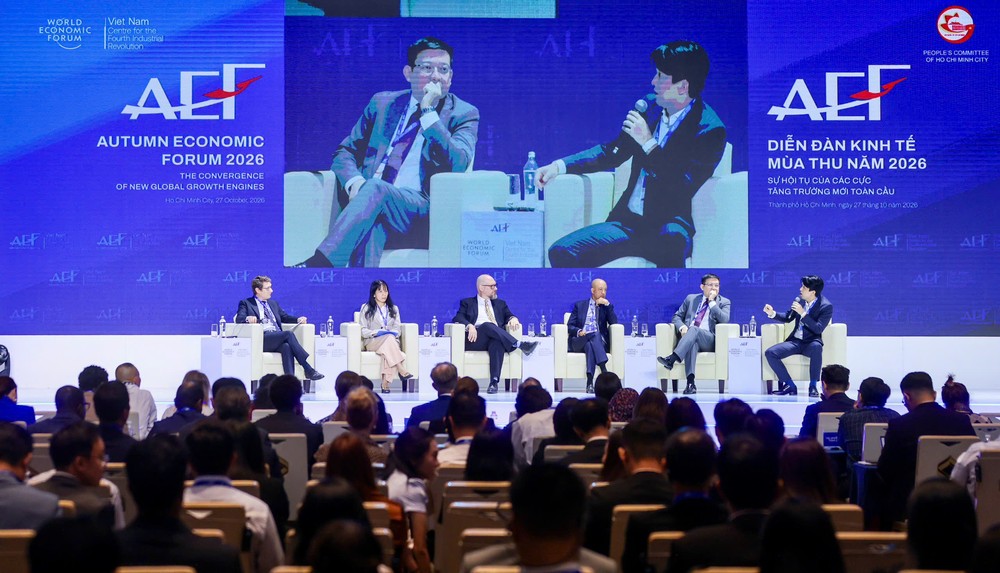
Mr. Oscar Njuguna, a senior member adviser to VIFC Da Nang, said investor confidence depended on transparent governance and a robust, final dispute-resolution mechanism. Predictable policies that reduce uncertainty, he argued, matter more to investors than tax incentives.
Drawing on the experience of the Astana International Financial Center (AIFC) in Kazakhstan, Mr. Talgat Amanbayev, AIFC's Director of Innovation, said the center had attracted US$27 billion by consistently demonstrating transparency through transactions linked to the real economy.
Participants also highlighted the contrast between foreign direct investment (FDI) and foreign indirect investment (FII) in Vietnam. While manufacturing FDI has reached record levels, FII has recorded net outflows of nearly US$20 billion over the past five years, including approximately US$5 billion in 2026.
Delivering tangible transactions
Mr. Le Anh Tuan, CEO of Dragon Capital, urged VIFC to deliver concrete results quickly. Financial institutions should come to the center to conduct transactions rather than merely establish representative offices. He suggested using bonds as an initial channel for attracting capital.
Mr. Richard D. McClellan, CEO of VIFC-HCMC, proposed that the center secure actual transactions worth US$100 million to US$300 million over the next six months. Such deals would demonstrate substantive activity and distinguish the center's progress from investment commitments alone.