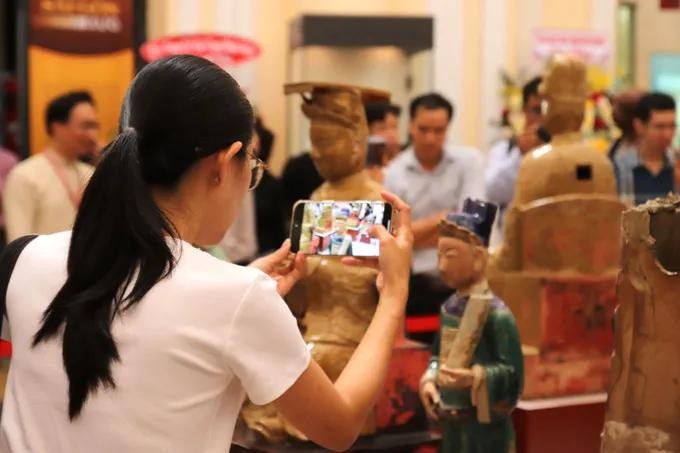
Ho Chi Minh City is home to one of the largest numbers of first-class public museums in Vietnam, with seven out of nine meeting national standards. Yet as audiences’ cultural interests evolve and new forms of entertainment intensify competition, museums face a pressing challenge that is not only deciding what to display, but more importantly, how to tell the stories of heritage in ways that truly connect with and captivate visitors.
More than just logos or colors, visual identity is reshaping how museums narrate heritage in contemporary contexts. In Ho Chi Minh City, new approaches to design are not only refreshing the visitor experience but also expanding museums’ social roles in the community.
In 2024, the HCMC Museum of History drew public attention with the launch of its new brand identity, which went on to win the Impressive Brand Repositioning Campaign at the Vietnam Creative Advertising Award. According to museum director Hoang Anh Tuan, the new identity marked an effort to break away from outdated perceptions and better align with modern life. However, he emphasized that the process required careful consideration to avoid alienating long-time visitors.
Following this trend, museums with specific themes are also embracing visual storytelling. To mark the 50th anniversary of the country’s reunification, the War Remnants Museum introduced a new brand identity centered on the message “Because Love Is Victory.”
With a space densely packed with artifacts and documents depicting the devastation of war, the museum placed particular emphasis on the psychology of its visitors. Its new graphic system was built around a proprietary color, Peace Aspiration Blue, and minimalist symbolic language which is soft and restrained creating a cohesive and calming visual field.
According to Dinh Thi Ngoc Hang, Deputy Director of the War Remnants Museum, aesthetic consistency acts as a “psychological anchor,” helping visitors remain calm and reflective while engaging with the museum’s powerful messages. This transformation has helped shift the museum from a post-war denunciation space to a peace education center with international influence.
Ton Duc Thang Museum is also studying the development of a new brand identity, while private institutions such as Quang San Art Museum have recently launched their own visual systems after just over a year of operation, reflecting a growing professionalization in how museums engage with the public.
For cultural and historical institutions, the greatest challenge in branding lies not in visual style but in creating a system sophisticated enough to honor heritage without overwhelming the exhibits. This demands deep research, an understanding of the essence of heritage, not just surface-level design trends.
Drawing inspiration from a familiar symbol — the terracotta dragon head from the Tran dynasty — the HCMC Museum of History collaborated with Zam Studio to develop a new pattern system. The dragon motif was stylized to radiate in four directions, symbolizing exploration, connection, and the spread of cultural values. This design is part of a set of twelve patterns representing Vietnam’s historical periods and dynasties, embodying the museum’s effort to “translate” history into a modern visual language.
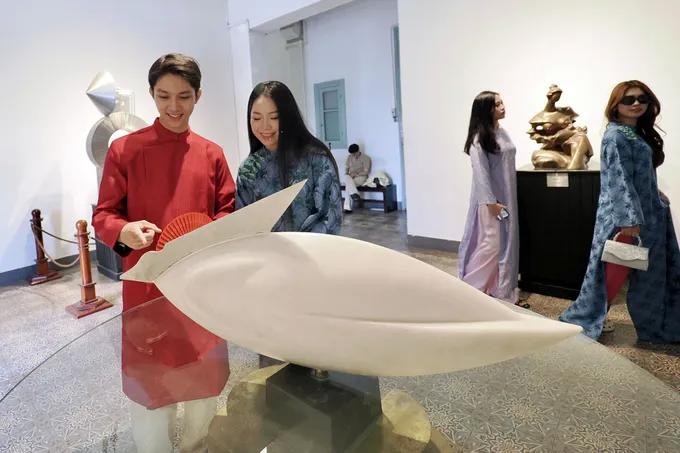
Meanwhile, Quang San Art Museum based its identity on the concept of layers in painting, drawing from brushstrokes, canvas textures, light, and the structural depth of traditional art.
Mai Ngoc Que Lan, co-founder of Studio M - N Associates, noted: “Each museum has its own personality. Building a visual identity requires deep research and individualized approaches. When a museum’s unique character is uncovered, its brand becomes a living story — coherent across every touchpoint.”
Since introducing its new design system, the Quang San Art Museum has seen a noticeable rise in visitors, particularly among younger audiences, with interactive programs such as talk shows and workshops attracting strong participation.
As Ho Chi Minh City increasingly embraces the creative economy and cultural industries, museums are moving beyond static spaces of memory to become dynamic cultural destinations. Visual identity is not just about logos or color palettes but a cultural language that enables museums to communicate meaningfully with society.
Globally, the practice of developing brand identities for museums began in the late 1980s and gained momentum in the early 2000s, with notable examples including MoMA (Museum of Modern Art in New York), Tate in London, and V&A (Victoria and Albert Museum in the UK). Leading museums now view their visual systems as ecosystems which are consistent across touchpoints, adaptable in application, and always evolving without losing their core identity.