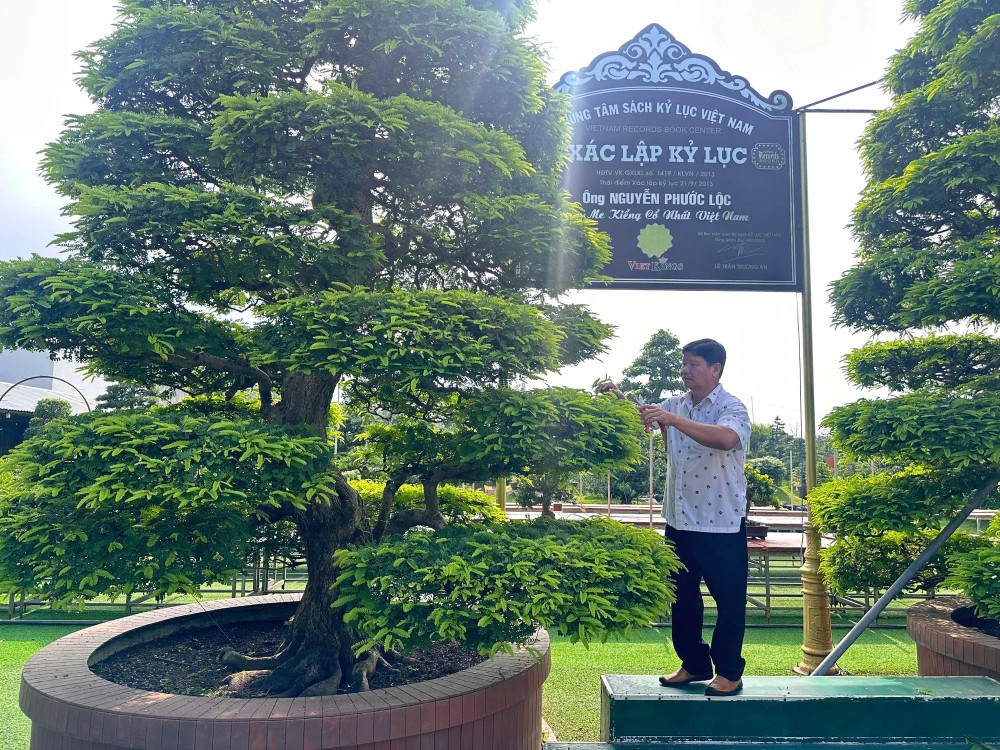
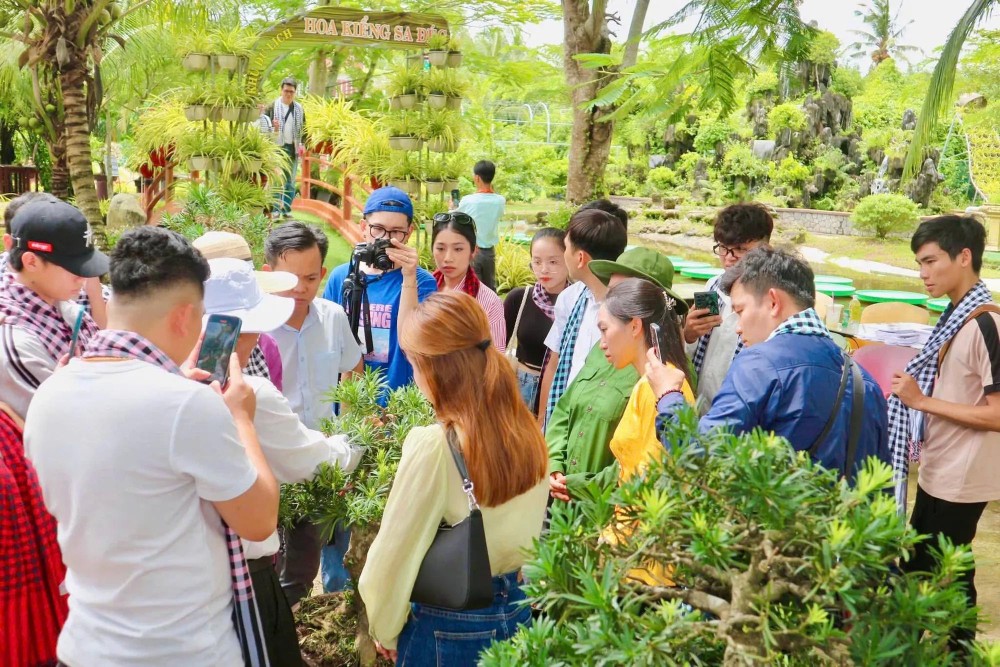
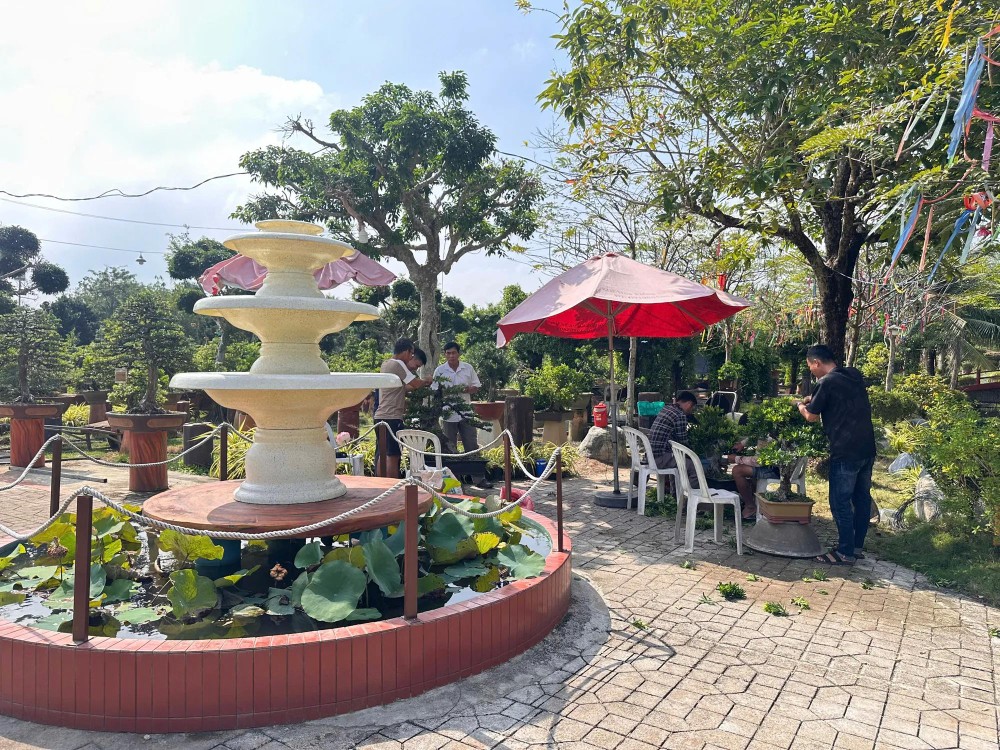
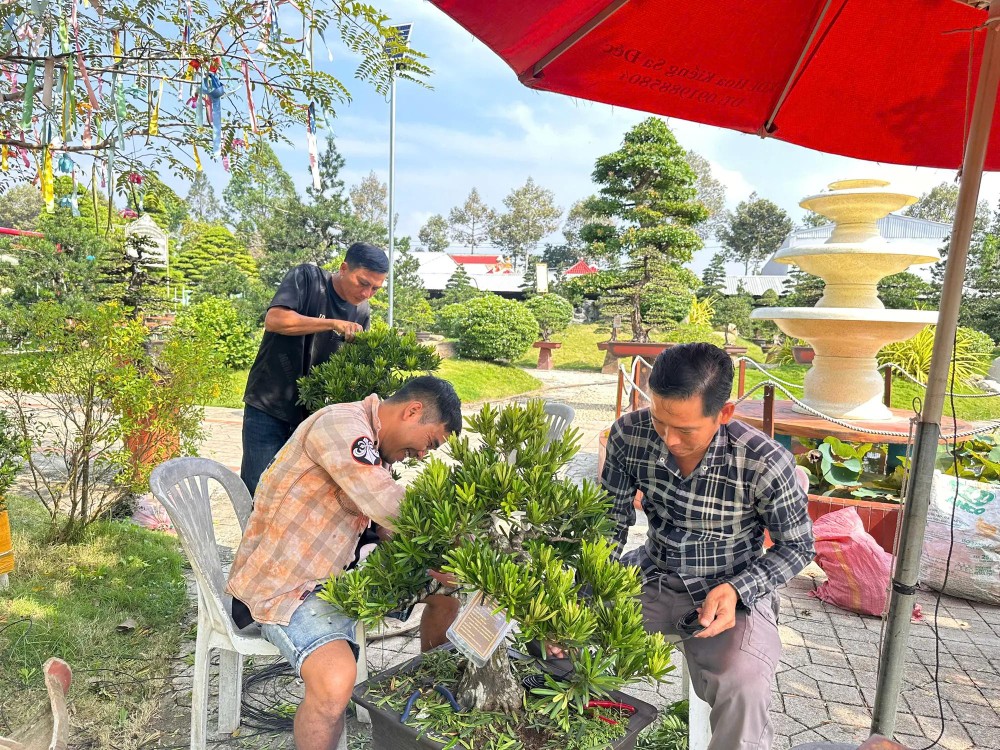
Situated in Khom Khanh Nhon village in Dong Thap Province’s Sa Dec Ward which is known as the flower capital of the Mekong Delta, the Sa Dec Bonsai Museum is emerging as a distinctive attraction, captivating visitors with its scale, artistic value, and role in safeguarding traditional craftsmanship.
Founded by artisan Nguyen Phuoc Loc and licensed by the Dong Thap Provincial People’s Committee in March 2025, the museum functions to collect, preserve, display, and introduce artistic bonsai works. It is also the first private bonsai museum in Vietnam.
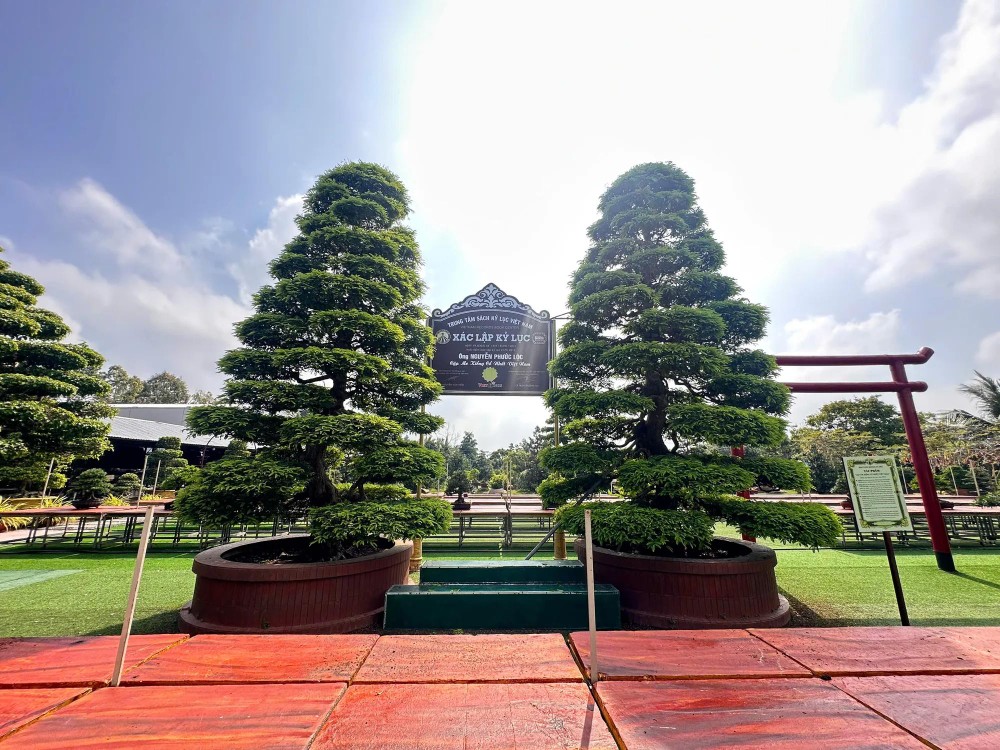
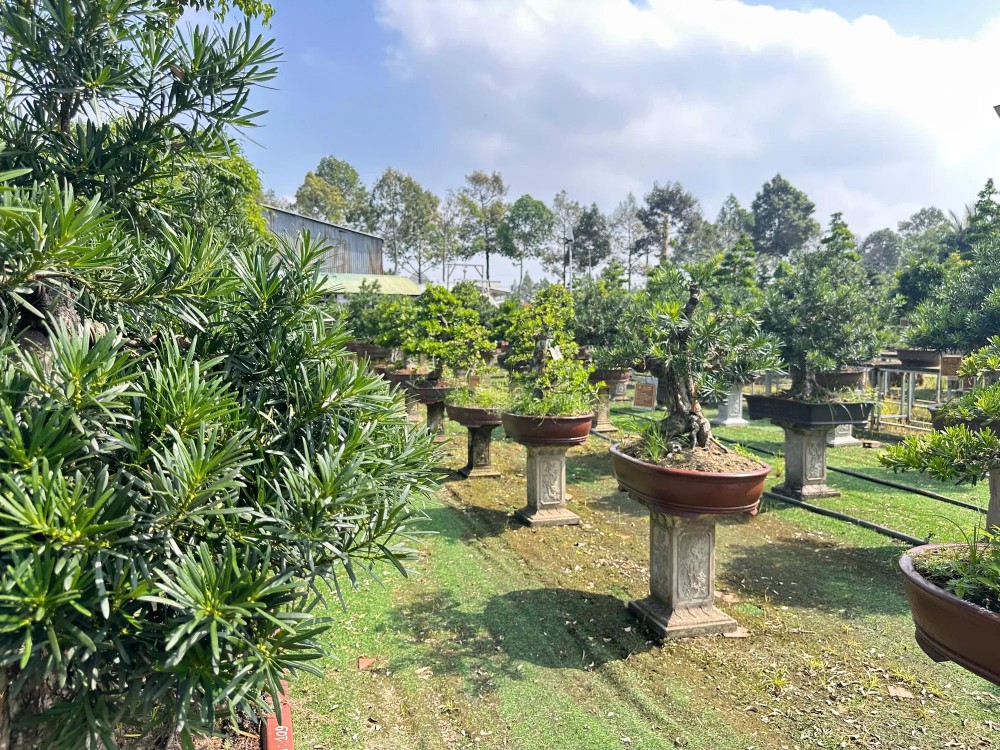
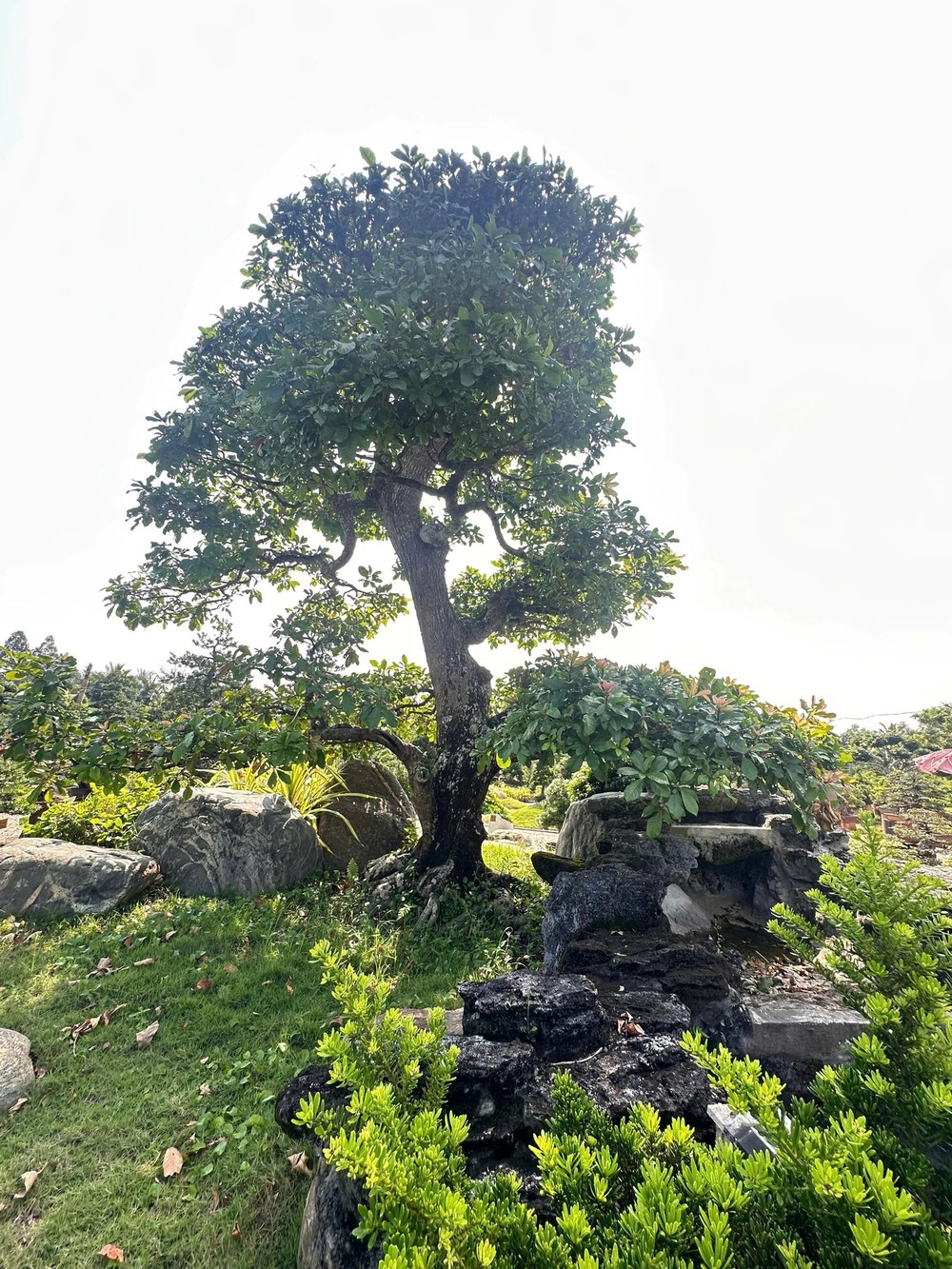
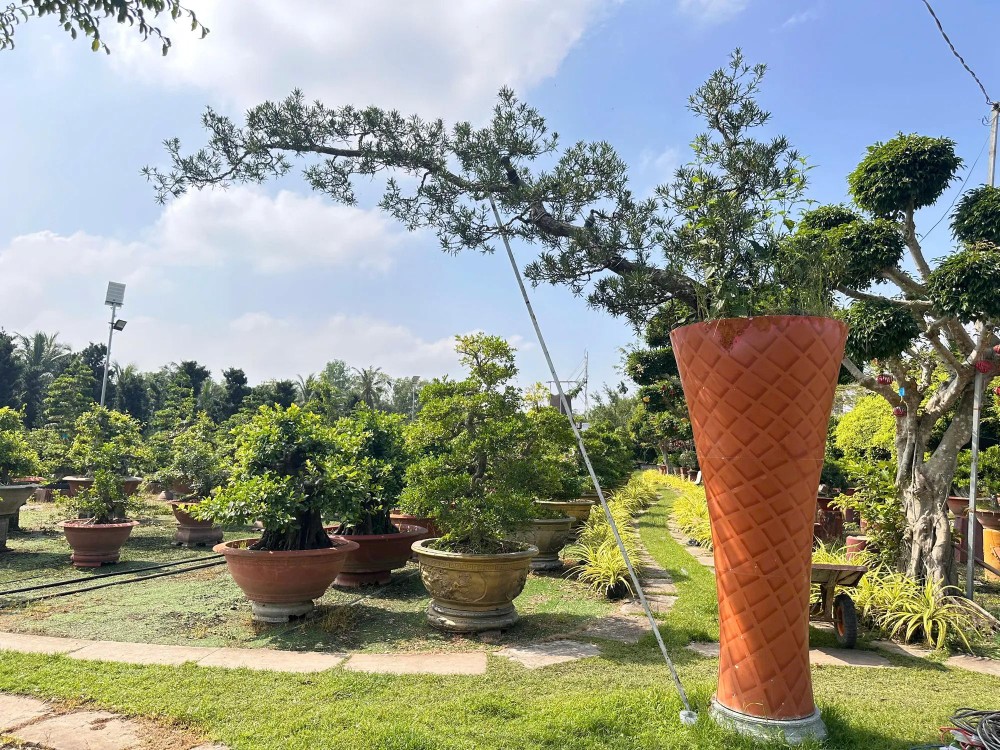
Covering more than 3 hectares, the museum houses over 1,000 rare bonsai trees across more than 50 species, ranging from young trees just a few years old to centuries-old specimens. The exhibition space is divided into three main zones such as national record-holding works, representative pieces from the Mekong Delta, and unique local collections.
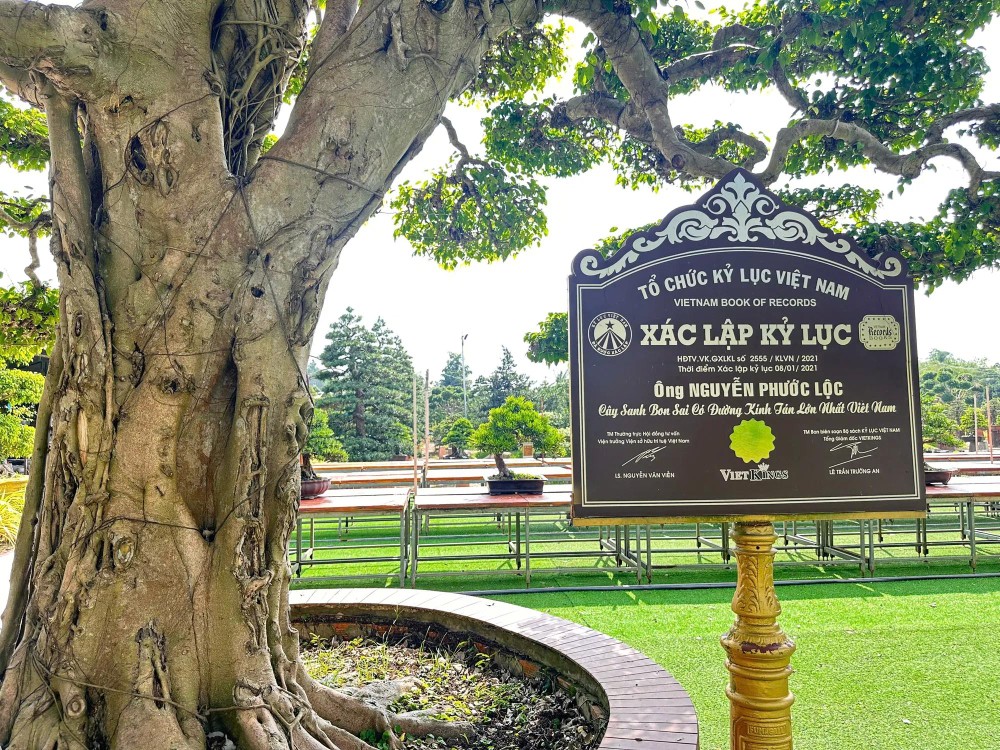
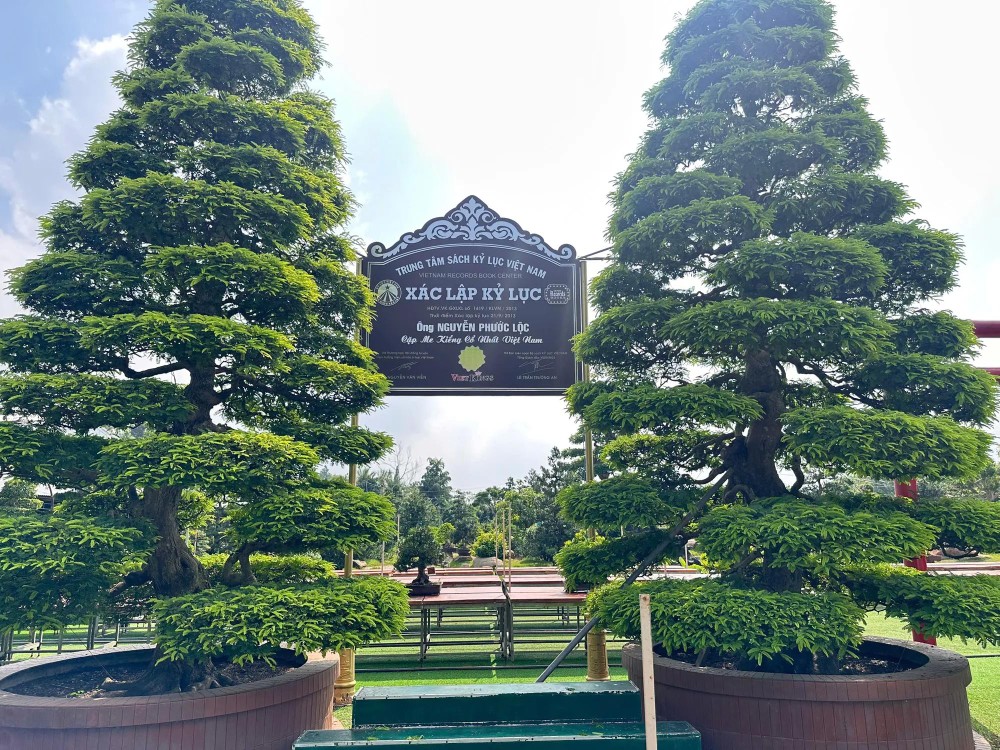
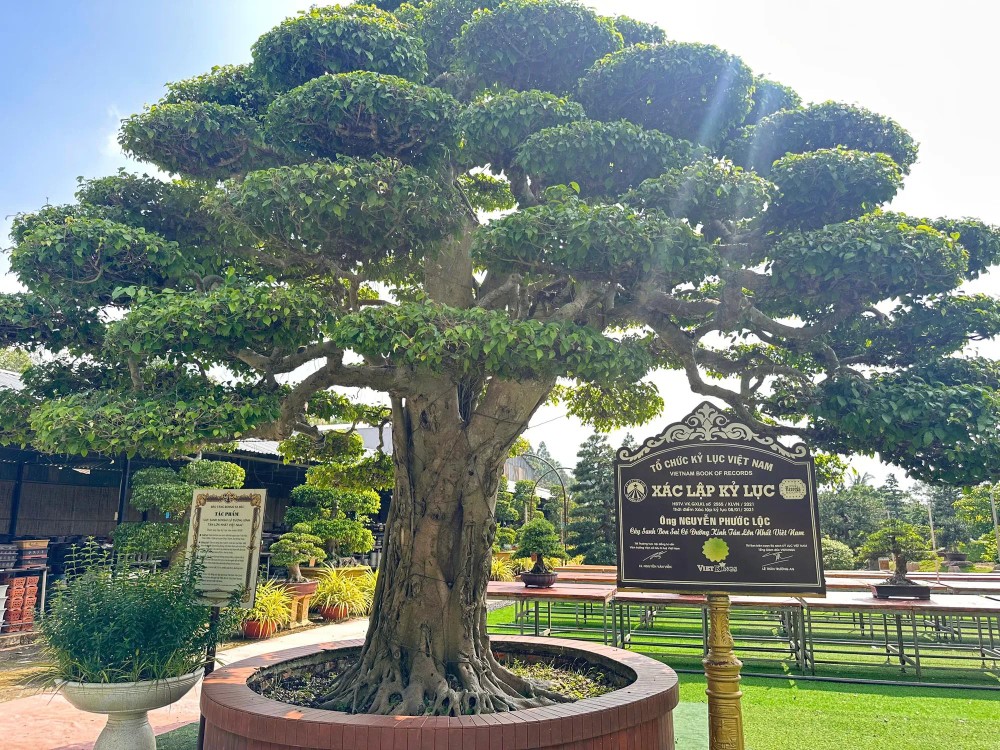
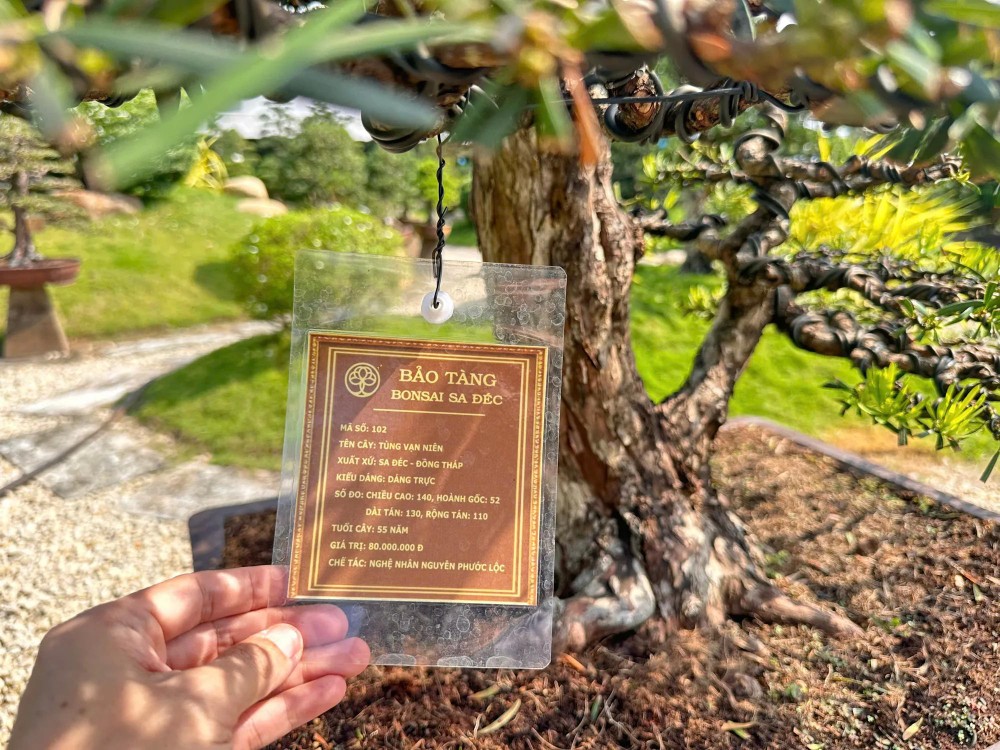
One of the museum’s treasures is an ancient weeping fig tree certified by the Vietnam Record Book Center as the largest canopy bonsai weeping fig tree (with scientific name Ficus benjamina, Vietnamese name Sanh tree) in Vietnam with a canopy diameter of 6.2m, height of 5m, and trunk circumference of 3.5m, crafted since 1890. Other notable works include the oldest tamarind pair, freshwater mangrove, orange jasmine, and water jasmine, all considered unique masterpieces of high artistic and economic value. Individual trees range in value from hundreds of thousands to tens of billions of Vietnamese dong.
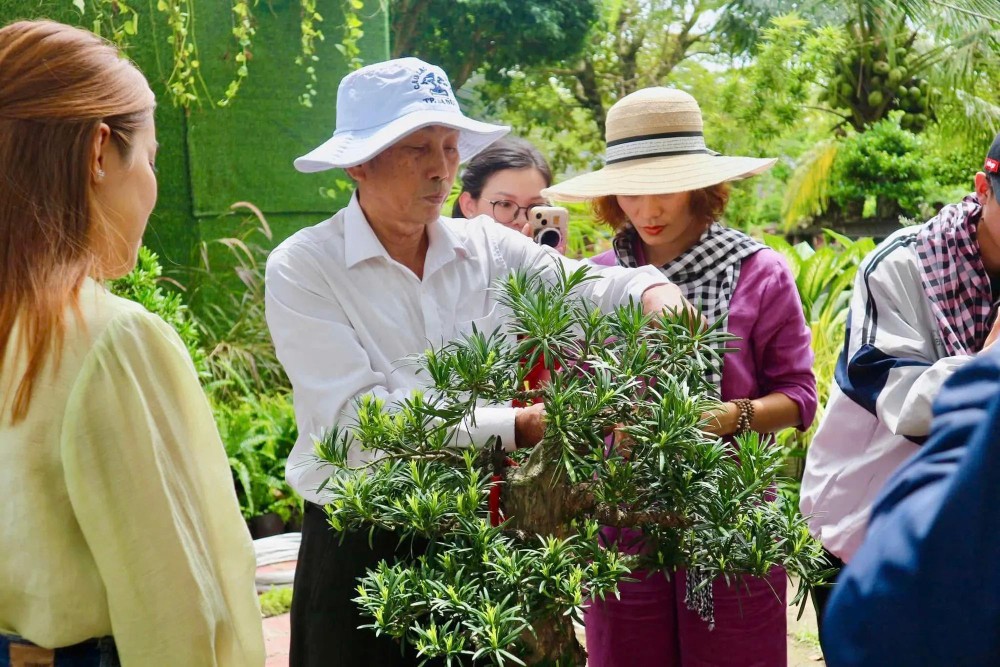
Artisan Nguyen Phuoc Loc shared that bonsai is not merely a hobby but a profession requiring knowledge, experience, and passion. “Without expertise, ornamental trees can turn into firewood, while skilled hands can transform firewood into precious bonsai,” he said.
His journey began in 1986 as a student helping his mother care for ornamental plants. In 1990, while studying in Ho Chi Minh City, he connected with bonsai artisans, learned techniques, and gained experience, later bringing bonsai art back to Sa Dec and laying the foundation for the bonsai movement in the Mekong Delta.
Despite its great potential, artisan Nguyen Phuoc Loc noted that Vietnamese bonsai still faces challenges due to limited policy support, unclear export pathways, and a lack of advanced technical training. “With proper investment, bonsai can absolutely become a high value economic sector thanks to Vietnam’s human resources, climate, and diverse plant species,” he emphasized.
At the end of 2025, during the second Sa Dec Flower Festival, the Sa Dec Bonsai Museum will host the expanded Mekong Delta Bonsai Contest, creating a space for artisans and gardeners to exchange ideas while connecting exhibitions and ornamental plant trading within the festival framework.