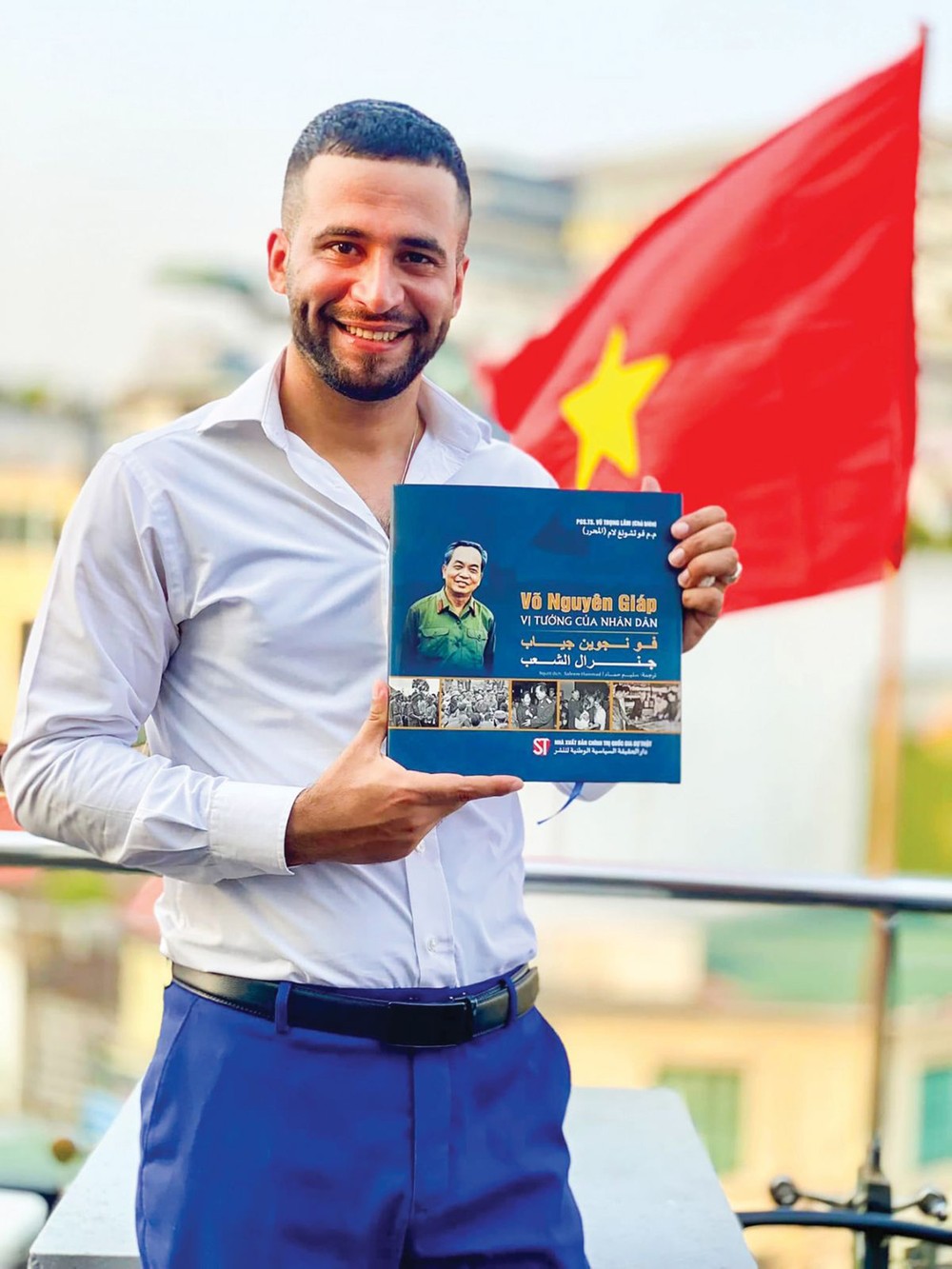
More than 14 years ago, Saleem Hammad, a Palestinian student, set foot in Vietnam with a single goal: to pursue his studies. After graduating, he chose to remain in what he now calls his “second homeland” and build his career. He currently works at the Embassy of Qatar in Vietnam as a media analyst. At the same time, Saleem has established himself as a travel and culture content creator, fostering international exchange across social media platforms.
With dedication, he has created a digital space to showcase Vietnam’s culture, history, and people to global audiences. His videos chronicle journeys across the length of the country, accompanied by bilingual English–Vietnamese narration to make them accessible to viewers from different nations.
When asked what motivates him to pursue this work, he responds almost jubilantly: “I truly love Vietnam.” It is an affection cultivated over 14 years of living, working, and integrating into the local community. “That is long enough for me to realize Vietnam is no longer just a place I came to study — it has become part of my identity,” he reflects.
Saleem donates 50 percent of his YouTube earnings to fund tuition fees for children in Northern mountainous regions and to provide gifts to disadvantaged families. “I tell my friends that Vietnam has given me a peaceful home. The only thing I can do in return is to plant more seeds of kindness in the land that embraced me.”
Working in international media, Saleem frequently encounters distorted or unfair narratives about Vietnam’s history and culture. In response, he chooses calm, measured steadfastness. Rather than confrontation, he offers everyday stories drawn from his own lived experiences.
He speaks of the warmth Vietnamese people extend even to strangers, the remarkable pace of the country’s development, and the nation’s gentle yet resilient character. “When people hear these stories from a foreigner who has lived, worked, and integrated into Vietnam, they tend to listen with greater respect,” he asserts.
He remembers farmers who readily shared half their meals with a stranger; students who patiently guided him through difficult Vietnamese phrases; and friends who treated him like a brother — opening not only their doors but also their hearts and smiles. “I love Vietnam for its sincerity, its cultural depth, its enduring family values, and for teaching me that strength lies in compassion and unity. I have traveled to many places, but nowhere has given me a sense of belonging like Vietnam.”
Among those who hold a special affection for Vietnamese identity is Maysaa, a Lao student who also considers Vietnam her “second home.” She attributes that bond to the sincerity, gentleness, and warmth of the Vietnamese people. Foreigners, she says, feel at home here because they are treated like family.
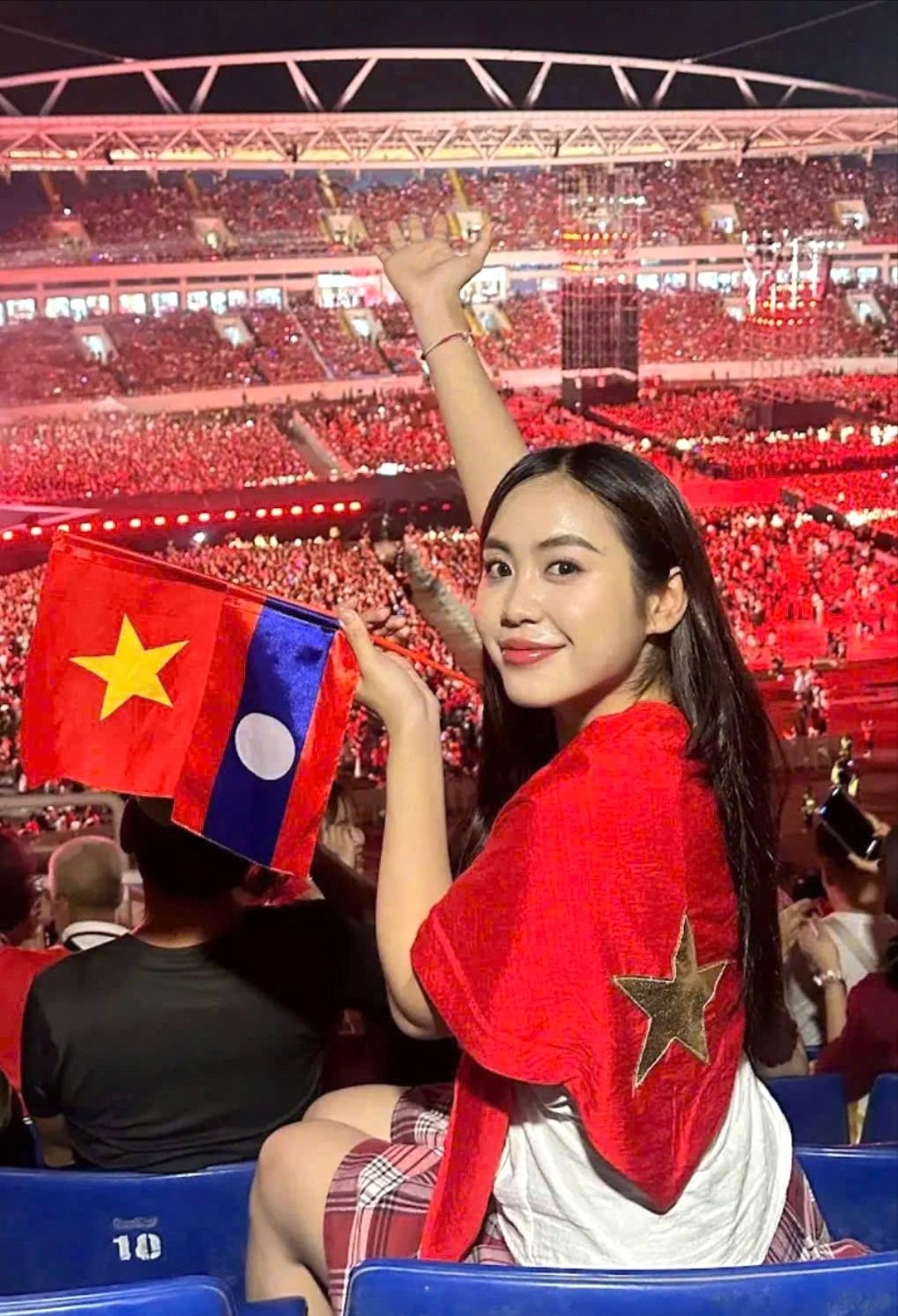
Each story she shares on social media is thoughtfully crafted, reflecting cultural facets of the special friendship between Vietnam and Laos. “If I could send a message to international friends,” Maysaa says, “it would be this: Vietnam is a country with a generous heart.”
What persuades many visitors from afar to make Vietnam their “second homeland” is not merely its landscapes or cuisine, but its people. “I sense in the Vietnamese a warmth, a deep sense of loyalty, and an extraordinary capacity for adaptation,” Saleem explains. “Each region has its own character, yet there is always a way people connect, share, and stand alongside one another. I love how Vietnam can be modern and dynamic while remaining simple and close to the heart.”
For Maysaa, Vietnamese culture resembles a steady current — quietly nourishing the human spirit and radiating outward, even amid social change. She has recognized that identity in everyday gestures: children bowing respectfully to elders, families gathering around a warm evening meal, and the reverence shown toward teachers. These are not mere habits, she notes, but core values that help Vietnam preserve its identity in a rapidly modernizing world.
It is precisely this humble yet enduring “family ethos” that has persuaded many foreigners to stay, to learn the Vietnamese way of life — one that prizes affection, loyalty, and community as its anchor.
From distant lands, they arrive with their own stories. They remain, weaving themselves into a culture defined by humanity and resilience. Though Vietnamese blood does not run through their veins, they carry in their hearts a distinct “gene” — a deep love for the people and the land of Vietnam.
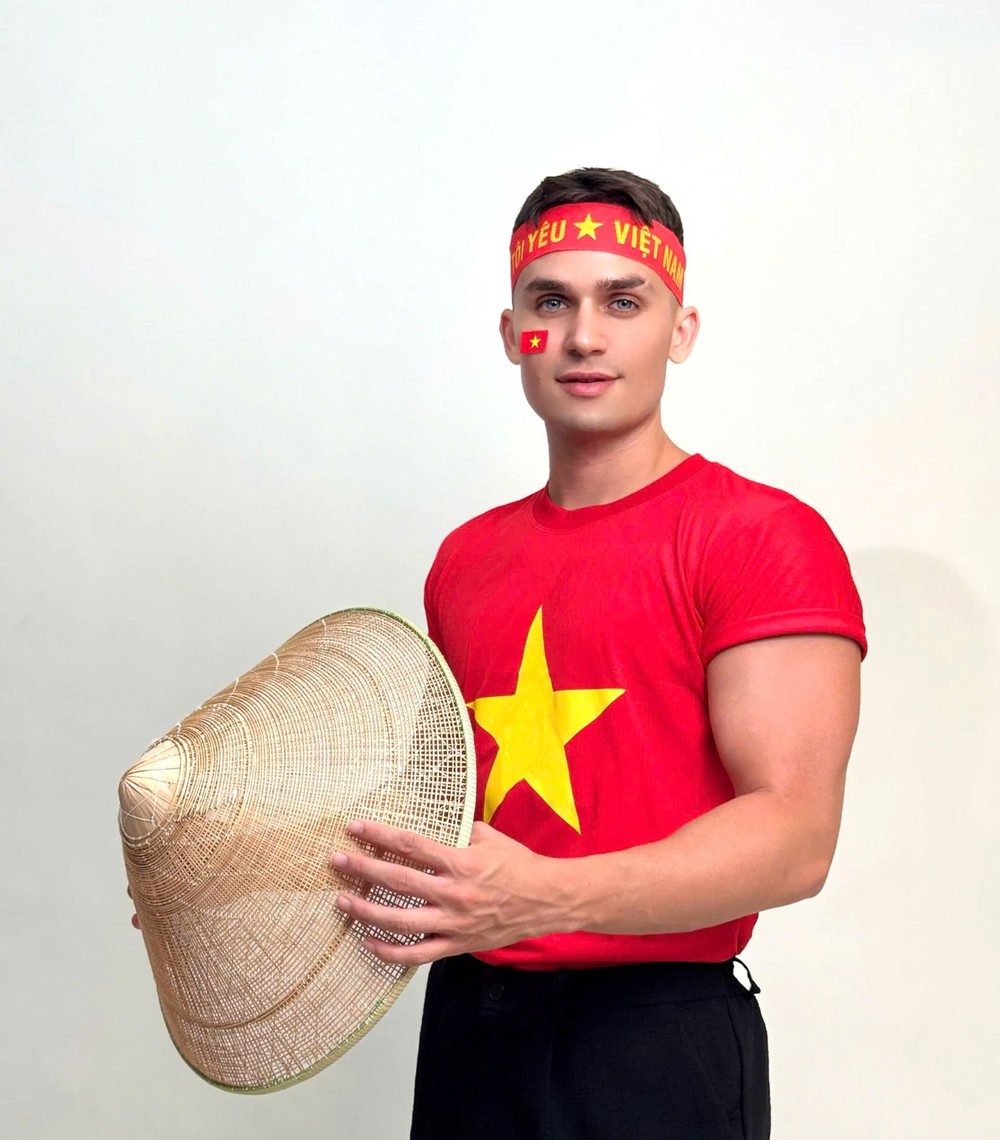
Born in Portland, Oregon, in the United States, Ryan Joshua — a blue-eyed American who has adopted the Vietnamese name Tran Luan Vu and is commonly known as Luan — exemplifies that journey. An English teacher by profession, he speaks and writes Vietnamese with remarkable fluency. Though unmistakably foreign in appearance, Luan possesses a nuanced understanding of Vietnamese culture, history, and social customs akin to that of a native. After 13 years in Vietnam, he acknowledges that he truly belongs to this land.