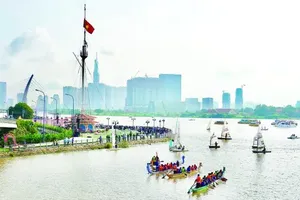
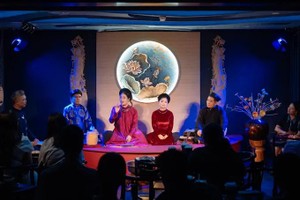
Against this backdrop, Vietnam is demonstrating a clear shift from mere participation to proactive agenda-setting in the field of cultural diplomacy, beginning with a transformation in policy thinking.
Proactively shaping cultural spaces
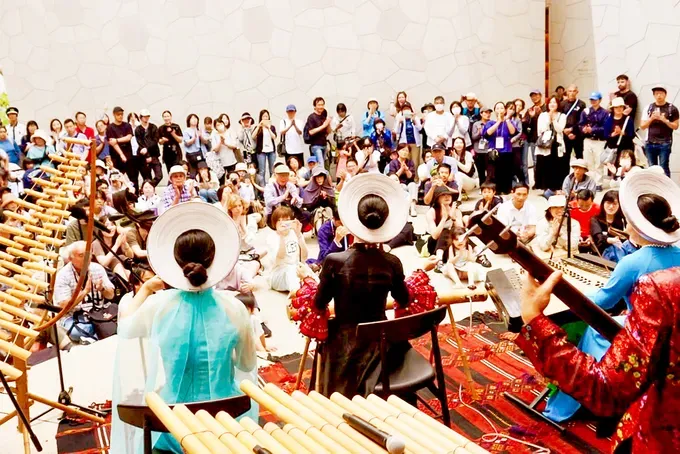
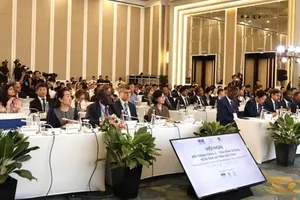
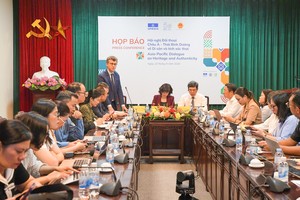
At the UNESCO World Conference on Cultural Policies and Sustainable Development (MONDIACULT) 2025 held in Barcelona, Spain, from September 29 to October 1, Vietnam proposed the initiative for an “International Decade of Culture for Sustainable Development.” The initiative was subsequently adopted by UNESCO’s General Assembly, underscoring international recognition of an approach that places culture at the foundation of sustainable development.
Mr. Ernesto Ottone R., UNESCO’s Assistant Director-General for Culture, said Vietnam’s initiatives demonstrate a long-term vision, viewing culture not only as a driver of domestic development but also as a substantive contribution to the global agenda and the shared interests of the international community.
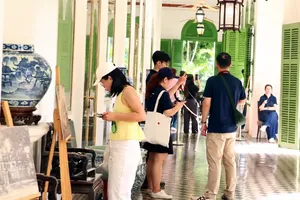
From a heritage perspective, UNESCO experts have also stressed that striking a balance between heritage preservation and modern development is a critical pillar of sustainable development. Vietnam is widely regarded as a notable example of this balanced approach, reflected in the number of its heritage sites inscribed by UNESCO in 2025. Highlights include the recognition of the Yen Tu-Vinh Nghiem-Con Son, Kiep Bac Relics and Landscape Complex as a World Cultural Heritage site; the expansion of the Phong Nha-Ke Bang World Natural Heritage property into a transboundary site with Laos; and the inscription of the collection of composer Hoang Van, along with the traditional Dong Ho folk woodblock painting craft.
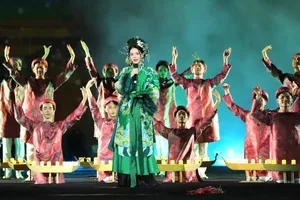
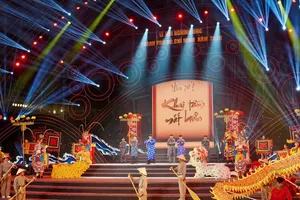
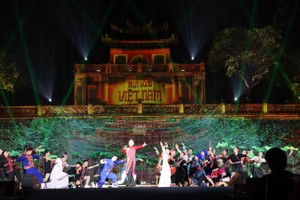
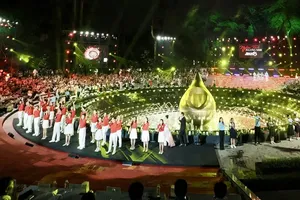
In addition, this shift in policy thinking has been translated into large-scale cultural activities held domestically. The "Cultures of the World" Festival, staged for the first time at the Thang Long Imperial Citadel in Hanoi, brought together nearly 50 countries and dozens of international arts troupes, attracting more than one million visitors.
EXPO 2025 Osaka is being held over six months, from April 13 to October 13, 2025, with the participation of 165 countries and international organizations, and is expected to attract more than 29 million visitors. Vietnam’s Pavilion, organized by the Department of International Cooperation under the Ministry of Culture, Sports and Tourism, has emerged as a major highlight, welcoming approximately 1.7 million on-site visitors, drawing 2.2 million participants to outdoor events, and recording more than 10 million online visits. These figures have significantly expanded the reach of Vietnam’s national image across both physical spaces and digital platforms.
Leaving a mark through each cultural showcase
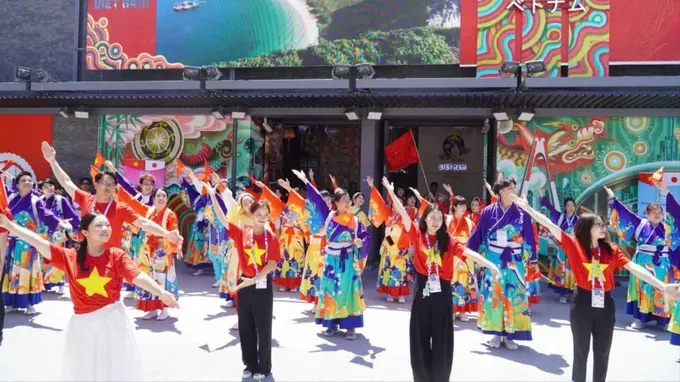
In 2025, Vietnam’s cultural diplomacy made a particularly strong impression at EXPO 2025 Osaka, held on the artificial island of Yumeshima in Japan’s Kansai region. At the event, the Vietnam National Pavilion won two international awards, a silver prize for Best Exhibition Design and a bronze prize for Best Team. The achievements underscored Vietnam’s organizational capacity, creative strength, and coordination skills within a highly competitive exhibition environment that brought together some of the world’s leading showcase models.
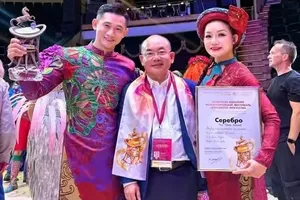
The year 2025 also saw a growing number of Vietnamese artists confidently stepping onto major international stages. Duc Phuc was crowned champion of Intervision 2025 in Moscow, while Phuong My Chi secured third place at Sing! Asia 2025 in China.
In an article profiling emerging Asian talents, Singapore’s The Straits Times commented that Phuong My Chi represents a new generation of Vietnamese artists seeking to bring traditional and folk elements onto the international stage, positioning cultural heritage as a competitive advantage in an increasingly globalized cultural landscape.
The cumulative impact of these events suggests that Vietnam’s cultural diplomacy is entering a new phase, one in which policy, cultural spaces, and people move in tandem to generate soft power. No longer limited to introduction or promotion alone, Vietnamese culture is increasingly asserting its place in the global cultural landscape through tangible values, recognized across events and through individual achievements.