They include 9 world cultural and natural heritage sites, 17 intangible cultural heritages, and 11 documentary heritage sites.
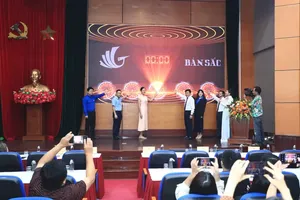
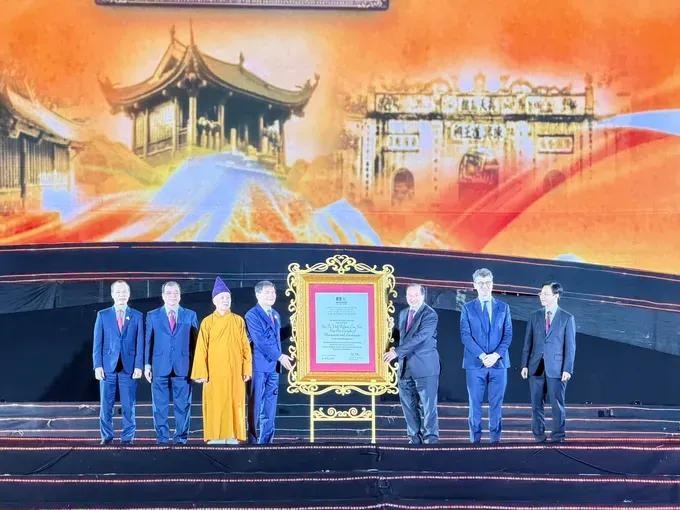
Notably on December 20, a ceremony celebrating UNESCO’s recognition of the Yen Tu-Vinh Nghiem-Con Son, Kiep Bac Relics, and Landscape Complex as a world heritage site was held in the Yen Tu Historical Relic and Scenic Area in Quang Ninh Province. It is Vietnam’s first inter-provincial cultural heritage chain, spanning the provinces of Quang Ninh, Bac Ninh, and Hai Phong.
In the field of natural heritage, UNESCO has adjusted and expanded the boundaries of Vietnam’s Phong Nha–Ke Bang National Park to include Hin Nam No National Park in Laos. The creation of this transboundary natural heritage site not only highlights the outstanding global value of the region’s karst ecosystems and biodiversity but also demonstrates a strong commitment to international cooperation in nature conservation.
In the field of documentary heritage, the collection of composer Hoang Van has been inscribed on UNESCO’s Memory of the World Register. The collection includes numerous manuscripts, works, and valuable documents, vividly reflecting a significant period in Vietnam’s musical history while acknowledging the composer’s major contributions to revolutionary and contemporary music.
Meanwhile, the Dong Ho folk painting craft from Bac Ninh Province has been added to the List of Intangible Cultural Heritage in Need of Urgent Safeguarding.
In addition, the Ministry of Culture, Sports and Tourism has sent a document to the People’s Committee of Dak Lak Province regarding the preparation of a dossier on coffee cultivation and processing knowledge, proposing its inscription on UNESCO’s Representative List of the Intangible Cultural Heritage of Humanity.
According to the ministry, this knowledge is not only practiced in Dak Lak but is also present in several other provinces and cities, including Lam Dong, Gia Lai, Dong Nai, Quang Tri, Nghe An, Son La, and Dien Bien.