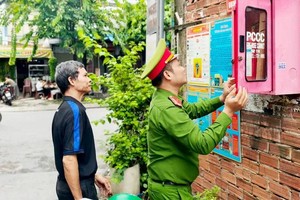
On May 25, the Ho Chi Minh City Department of Health announced that the selected localities include An Nhon Tay, Ba Diem, Hiep Phuoc, Tan Nhut, Thanh An, Bac Tan Uyen, Dat Do, Ho Tram, and Con Dao Special Zone.
Under the plan, health screening activities will run from May 22 through the end of June 2026. Priority groups include children under 18 who have not received health checkups during the 2025–2026 school year, informal workers, and elderly residents.
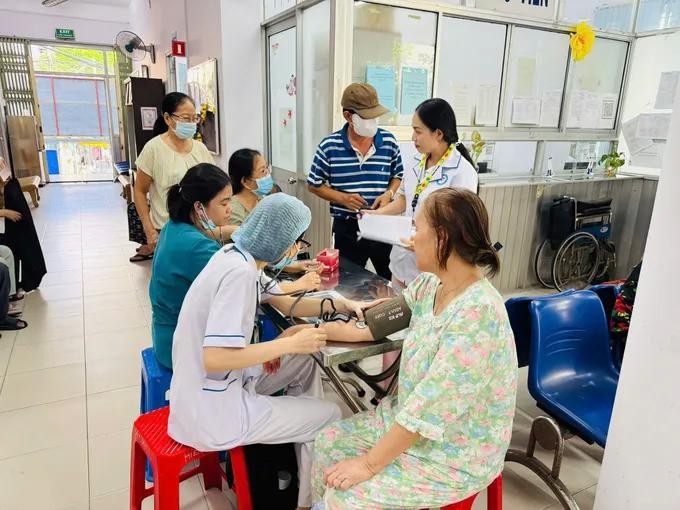
A number of major hospitals have been mobilized to directly support health stations in communes and the special administrative zone in organizing health screenings for local residents. These include Thong Nhat Hospital, the Ho Chi Minh City Central Odonto-Stomatology Hospital, Nguyen Trai Hospital, An Binh Hospital, Tu Du Hospital Branch 2, City Children’s Hospital, Binh Duong General Hospital, Hoc Mon Regional General Hospital, Cu Chi Regional General Hospital, Cu Chi General Hospital, Binh Chanh General Hospital, Nha Be General Hospital, and regional health centers in Long Dat, Ho Tram, and Bac Tan Uyen.
In addition, several specialized hospitals are prepared to dispatch doctors to support areas facing shortages of medical personnel.
According to the Ho Chi Minh City Department of Health, mobilizing upper-level hospitals is intended not only to increase the number of residents receiving examinations, but also to ensure professional quality standards in accordance with Ministry of Health guidelines.
For adults over 18, health screenings must cover all required specialties and include necessary laboratory and diagnostic tests such as blood tests, urine tests, electrocardiograms, and chest X-rays.
For children, screenings will focus on nutrition assessments, physical development, vision screening for refractive errors, dental diseases, ear-nose-throat conditions, mental health evaluations, and school health counseling.
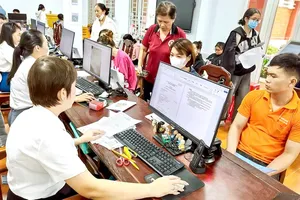
Health screening teams will be organized according to population size and local conditions, ensuring adequate staffing of doctors, nurses, technicians, data-entry personnel, and support staff.
In remote or hard-to-reach areas such as island communes, special administrative zones, and suburban regions, the health sector will deploy additional mobile medical teams to improve residents’ access to healthcare services.
According to Associate Professor Tang Chi Thuong, Director of the Ho Chi Minh City Department of Health, the city’s objectives extend beyond health examinations alone and include building a universal digital health management system.
The implementation of universal health check-ups is not simply about meeting the target number of check-ups, but also a crucial shift for the city's health sector from a ‘treatment’ mindset to a ‘proactive healthcare’ mindset. This is also the foundation for Ho Chi Minh City to gradually build a modern, data-connected, and people-centered model of universal health management in the new development phase.
Associate Professor Tang Chi Thuong
All screening results will be uploaded to the community health management platform and integrated with Electronic Health Records and Digital Health Books on the VNeID application. Medical units have been instructed to complete data uploads within 24 hours after screenings conclude in order to support continuous health management and post-screening monitoring.
Associate Professor Tang Chi Thuong said the implementation results from these nine communes and special zones would also provide valuable practical lessons for the wider city rollout, particularly regarding coordinated mobilization of the healthcare system, cooperation between hospitals and grassroots healthcare facilities, mobile screening operations in specialized localities, management of residents’ health data and the role of local authorities in community healthcare.