It is expressed in the way individuals think, behave, create, and organize social life. Therefore, cultural development, in its essence, is the development of the city’s people.
This spirit is underscored in Resolution No. 80-NQ/TW, which affirms the central role of human beings in cultural development.
Accordingly, people are both the creators and the beneficiaries of culture. Ultimately, all cultural policies are oriented toward shaping human qualities that meet the requirements of development in the new era. For Ho Chi Minh City, efforts to elevate urban culture also follow this very logic. All cultural development initiatives—from the building of cultural spaces and the promotion of artistic activities to the advancement of cultural industries—converge on people as the core agents.
The convergence of diverse cultural currents
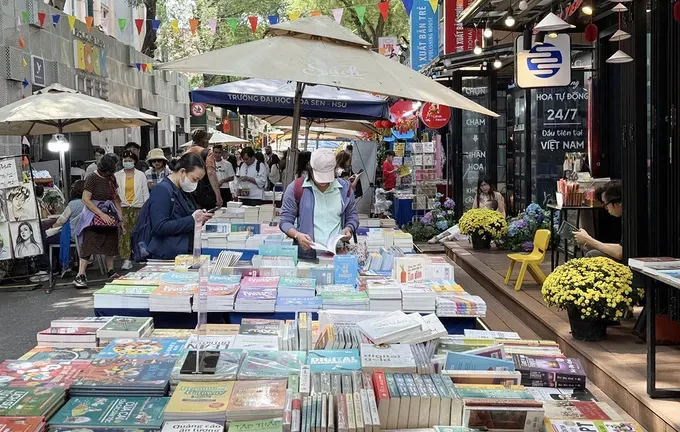
The people of Ho Chi Minh City are not shaped within the confines of a single urban entity but rather are the outcome of a long-standing process of cultural convergence and interaction throughout history.
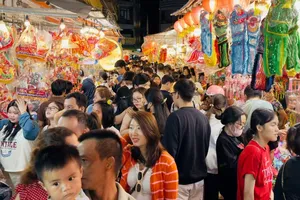
From the early days of the Saigon–Gia Dinh region, this land quickly became a meeting point for diverse communities originating from different parts of the country. Alongside the growth of trade and international exchange, the city has increasingly evolved into an open space where various cultural streams continuously interact and enrich one another.
In today’s expanded development landscape, the people of Ho Chi Minh City embody the convergence of multiple cultural regions—ranging from urban traditions to dynamic industrial communities, as well as cultural nuances associated with coastal life and tourism. This convergence has fostered a diverse yet highly integrative population. Qualities such as dynamism, openness, compassion, and a pioneering spirit are not incidental traits but rather the product of a historical process rooted in exploration, adaptation, and development in the Southern region.
Throughout its development, the cultural values of the southern region have been accumulated and transformed into the distinctive qualities of Ho Chi Minh City’s people.
Among the most prominent traits are generosity, compassion, and dynamism. First and foremost is the spirit of generosity—a hallmark of Southern people—reflected in openness in thinking, a liberal approach to life, and a readiness to share in social relations.
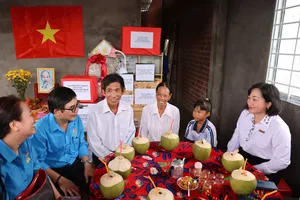
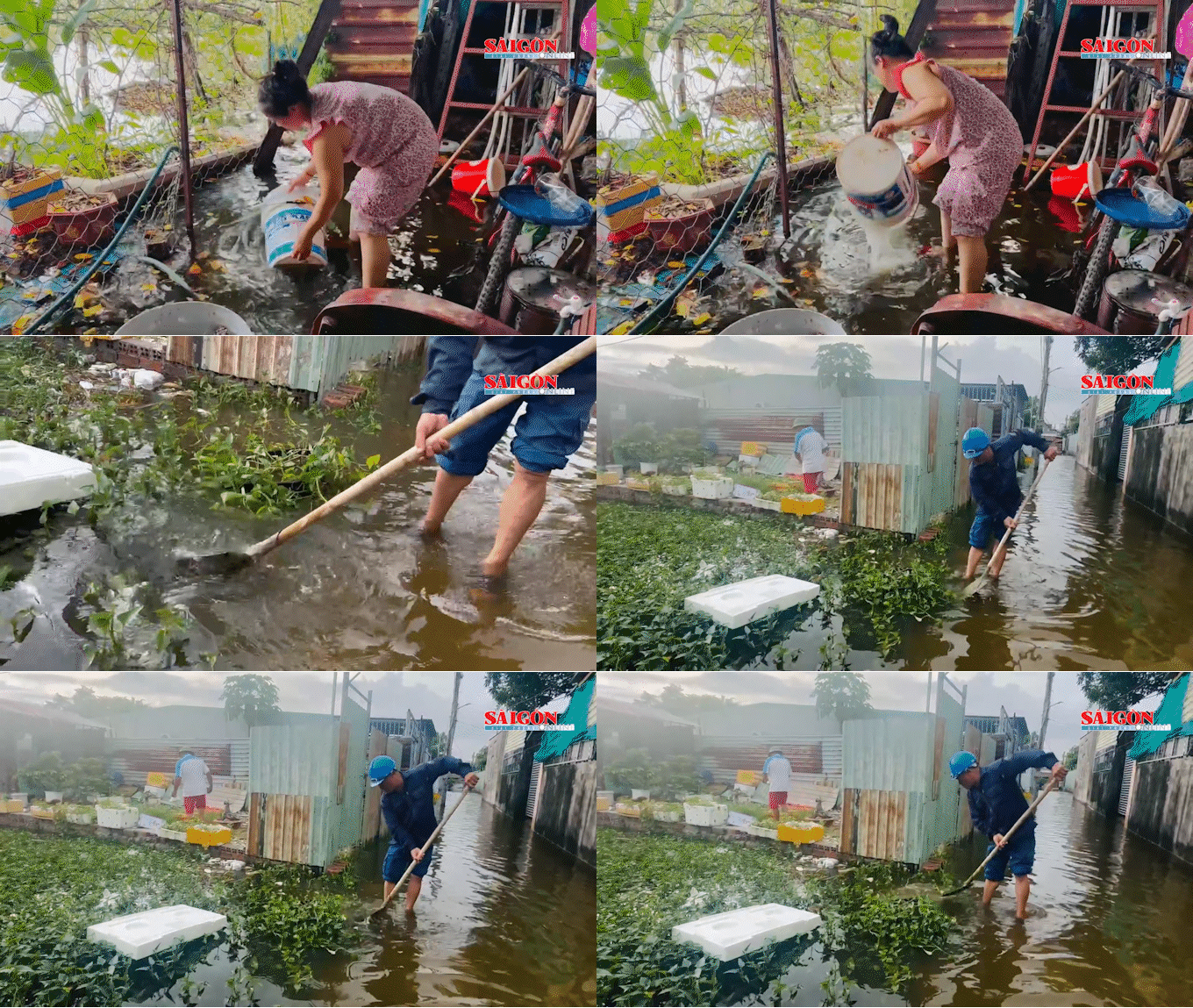
This generous spirit contributes to fostering an open social environment where individuals can easily connect and collaborate. Closely associated with it is a strong sense of compassion within the community. The bonds of sharing, solidarity, and mutual support among people form an essential humanistic foundation, enabling the city to preserve its depth of humanity amid rapid development.
Another notable dimension lies in the openness and cultural adaptability reflected in social conduct.
As a convergence point for diverse communities, Ho Chi Minh City has cultivated a flexible cultural environment in which people readily embrace and adapt to differences. These qualities are shaped not only by a dynamic urban setting but also by the Southern region’s long historical trajectory. It is a land where generations have united to explore, transform nature, and safeguard their homeland. Such historical experiences have forged the enduring traits of generosity, compassion, and a strong aspiration for advancement among today’s urban residents.
Urban lifestyle and culture
If people constitute the core of culture, then lifestyle is its most vivid expression within an urban context.
In Ho Chi Minh City, lifestyle has been shaped by the convergence of diverse cultural streams across the vast expanse of the Southern region. Communities with different backgrounds have collectively contributed to forming a living environment that is both compassionate and dynamic.
This lifestyle is reflected in a spirit of openness and a strong capacity for cultural integration. In a city in constant motion, diversity and differences do not create barriers; rather, they serve as fertile ground for new ideas to emerge and spread.
At a deeper level, urban lifestyle is not merely an expression of culture but also an environment that nurtures and disseminates cultural values.
It is through everyday life—from the way people use public spaces and engage in community activities to how they approach art and technology—that cultural values are formed, reinforced, and spread. When a lifestyle embodies creativity and openness, the city becomes a fertile ground for innovation and the generation of new ideas.
Equally important is the spirit of compassion, a value that enables the city to retain its humanistic depth amid rapid development. At the same time, dynamism and creativity in work and entrepreneurship serve as key drivers, empowering the city to adapt to and lead emerging trends.
In the context of globalization, Ho Chi Minh City’s urban lifestyle is gradually orienting toward a new standard: integration without assimilation and modernity while preserving cultural identity.
As creativity becomes an integral part of daily life, the urban lifestyle itself emerges as a vital resource for development. Therefore, lifestyle is not only a result of urban culture but also one of the important driving forces shaping and developing the culture of Ho Chi Minh City in the new era.
A hub for cultural creation and enjoyment
The people of Ho Chi Minh City are not only the embodiment of cultural values but also the simultaneous agents of two interconnected processes: cultural creation and cultural enjoyment.
These two roles are inseparable, constantly interacting and reinforcing one another. In the context of digital technology, modes of cultural consumption are undergoing profound transformation. Cultural spaces are no longer confined to physical institutions but are increasingly expanded into digital environments and hybrid formats.
Citizens can now access cultural products anytime and anywhere, with experiences that are becoming ever more personalized. This shift not only reshapes patterns of cultural consumption but also feeds back into and influences the process of cultural creation itself.
However, alongside the growing demand for cultural enjoyment among certain segments of urban residents, vulnerable groups still face difficulties in accessing cultural products and services.
Disparities in economic conditions, living environments, and access to information may create gaps in cultural life among different population groups. It is in this context that the dialectical relationship between cultural creation and cultural enjoyment becomes increasingly evident: higher levels of cultural consumption stimulate creativity, while high-quality creative output, in turn, elevates societal demand. This interaction forms a continuous cycle, sustaining the vitality of urban culture.
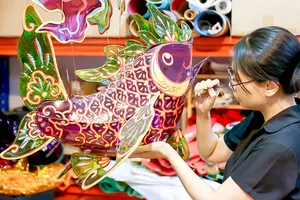
Urban cultural identity does not emerge spontaneously; it is shaped through human creativity, with artists and intellectuals playing a pivotal role.
Through artistic creation, research, and education, they not only reflect urban life but also contribute to shaping the cultural and aesthetic values of society.
Within this ecosystem, artists, intellectuals, and other creative actors serve both as value creators and as key drivers of innovation, helping to enhance the quality of socio-cultural life.
Therefore, cultural development cannot be separated from the establishment of an open and enabling creative environment, alongside appropriate mechanisms and policies. Such conditions are essential to empower artists, intellectuals, and cultural practitioners to fully realize their potential and make meaningful contributions to urban development.