Resolution 80-NQ/TW of the Politburo on the development of Vietnamese culture once again affirms the foundational role of culture in the country’s development process. For Ho Chi Minh City, economic and infrastructure development is necessary but not sufficient; this places a demand on elevating urban cultural identity as a key pillar on the journey toward becoming a central metropolis of the region. The city must be supported by cultural depth to forge a distinctive identity and lasting appeal.
In the course of development, every major city is defined not only by its economic scale or infrastructure, but also by its cultural life and the way it continually evolves with the times. Ho Chi Minh City is a prime example: not only a leading economic hub, but also a place where multiple cultural streams converge, intersect, and constantly generate new values in urban life.
From the historical foundation of Saigon – Gia Dinh to today’s expanded urban space, the city has always been a gathering point for diverse communities, cultural regions, and international influences. This intersection has helped shape a distinctly Southern urban spirit: open, compassionate, and always moving in step with the pace of the times.
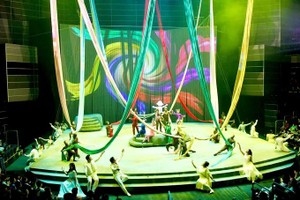
In the context of the digital economy and the rapid growth of creative industries, urban cultural life is also expanding into new spaces, especially digital platforms and creative communities. These elements not only enrich the cultural landscape of Ho Chi Minh City but also lay an important foundation for the development of cultural industries and the creative economy in the years ahead.
Distinctive cultural values
In the development of major cities, urban culture is often formed from the rhythms of socio-economic life. Unlike rural culture, which is tied to relatively stable village communities, urban culture is inherently open, dynamic, and receptive to new elements. The environment of economic exchange, trade, and the meeting of diverse communities has created the distinctive cultural values of urban life.
On that foundation, the urban culture of Ho Chi Minh City is not the result of a single stream, but rather shaped through multiple layers of historical and social accumulation. From the early settlement of the land and the convergence of people from various regions, to the growth of trade and exchange, followed by urbanization, industrialization, and more recently, integration and digital transformation—each phase has left a clear imprint on urban cultural life. The layering and interaction of these processes have created a cultural space that is both diverse and constantly evolving.
Throughout its formation and development, Ho Chi Minh City has remained a center of interaction among different cultural currents. From a major commercial city of the South, Saigon early on became a meeting place for communities from across regions, while also absorbing strong international cultural influences. This environment of exchange helped shape a system of urban cultural values marked by dynamism, openness, adaptability to new ideas, and a practical lifestyle.
In the current context, as the city’s development space expands through regional linkages and integration, its urban cultural profile has become even more diverse. Alongside the traditional Saigon urban culture, the city’s cultural space is enriched by features associated with rapid industrialization in industrial zones, as well as maritime and tourism-related cultural elements in coastal areas. This combination has created a diverse yet unified urban cultural structure, reflecting the characteristics of a large city evolving within an open and interconnected development space.
Ho Chi Minh City’s identity woven through layers of culture
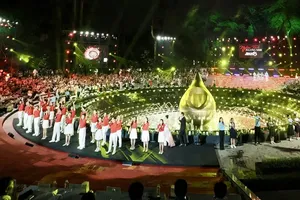
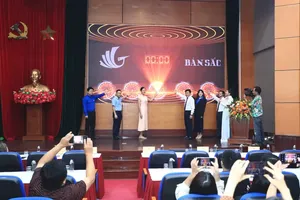
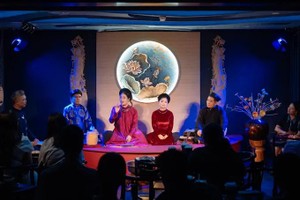
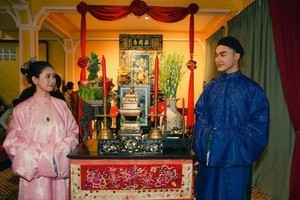
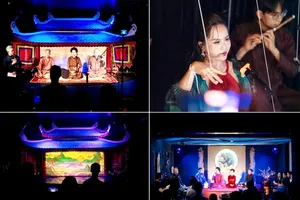
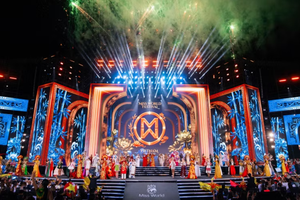
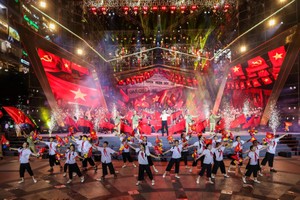
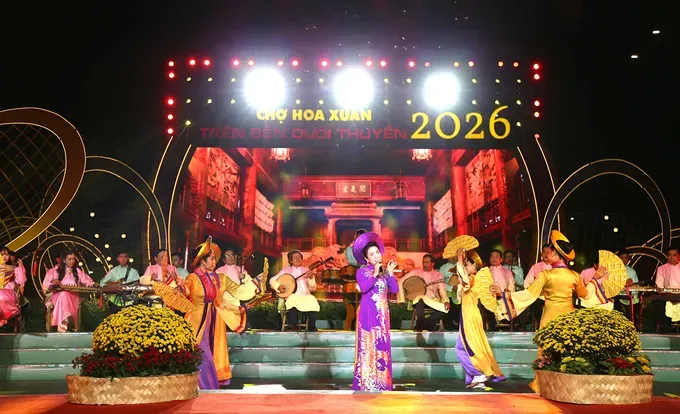
The cultural identity of a city is reflected not only in its values and lifestyles, but also in its cultural spaces and symbolic landmarks.
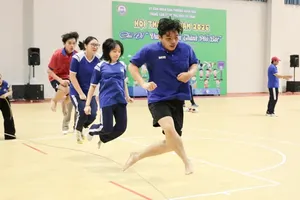
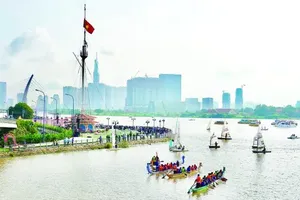
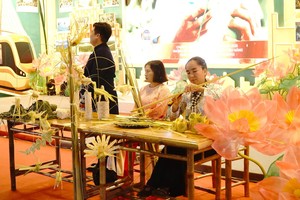
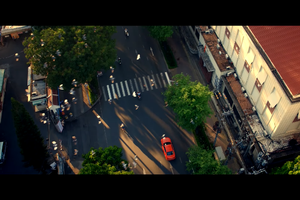
For Ho Chi Minh City, as the urban space continues to expand, its cultural highlights have become increasingly diverse. Alongside historical architecture, central streets, and familiar cultural spaces of Saigon, many areas within the new urban landscape are also shaping the city’s cultural identity. Industrial urban zones and newly developed areas have created new cultural spaces tied to modern community life. Toward the sea, coastal and island areas bring distinct cultural characteristics associated with history, the sea, and tourism activities.
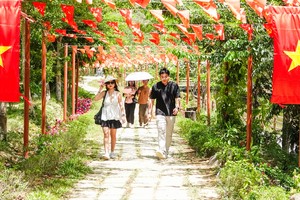
Places such as Con Dao are not only tourist destinations but also special cultural and historical spaces, preserving historical memory and the spiritual life of generations. The presence of multiple layers of cultural space from urban centers and industrial zones to coastal regions has contributed to a multi-layered cultural structure for Ho Chi Minh City. This richness continues to expand and diversify the city’s cultural identity.
At present, as the city’s development space broadens, this cultural convergence becomes even more evident. In addition to the Saigon urban tradition, Ho Chi Minh City also embodies cultural elements associated with industrialization, rapid urbanization, and the maritime and tourism cultures of coastal areas.
Notably, the city’s cultural life also carries a strong spiritual dimension. Within the urban space, one can easily encounter the presence of various forms of belief and religion. This coexistence does not create division; on the contrary, it contributes to a diverse yet harmonious spiritual life, clearly reflecting the city’s openness. The convergence of different cultural streams has created the city’s enduring vitality and its capacity for continuous renewal.
Digital culture and new creative spaces
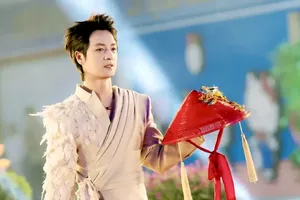
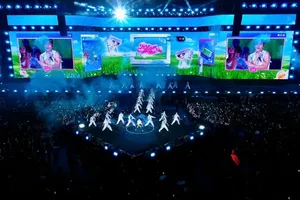
Alongside the development of technology and the digital economy, the cultural life of modern cities is expanding into new spaces, particularly the digital realm. Whereas cultural activities once mainly took place within traditional institutions, today many creative and cultural experiences are conducted through digital platforms.
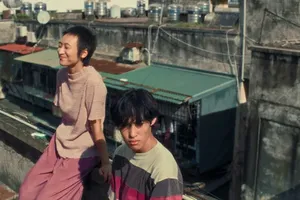
Ho Chi Minh City is one of the clearest examples of this trend. As a major media and technology hub of the country, the city is witnessing strong growth in digital content creation, from music and film to design and multimedia communication.
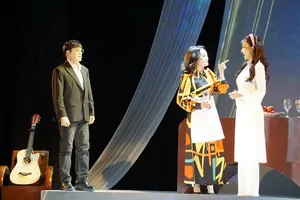
The digital space is also fostering new creative communities. Artists, designers, and content creators can connect flexibly, forming dynamic creative networks that help cultural ideas spread more quickly and reach wider audiences. This rich urban cultural foundation has enabled many creative activities to emerge and develop, while opening up new growth space for the city’s cultural industries.