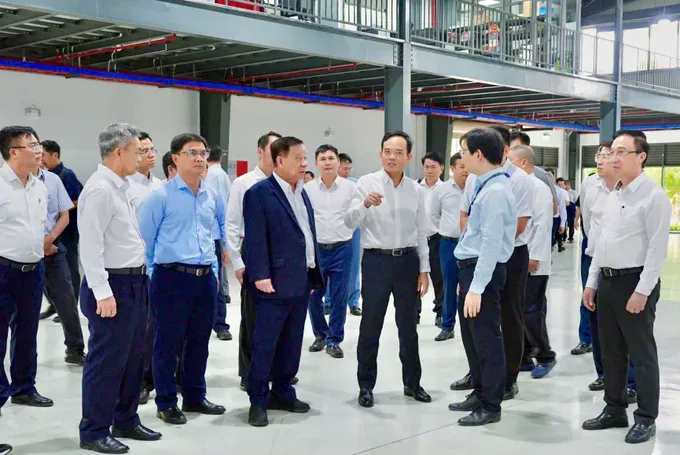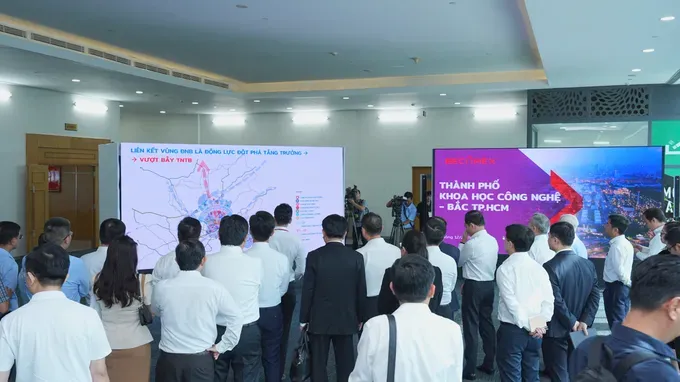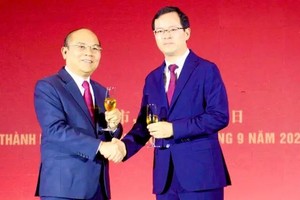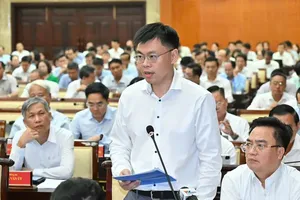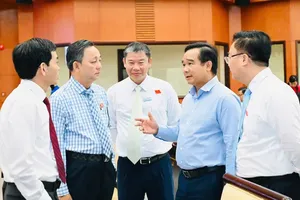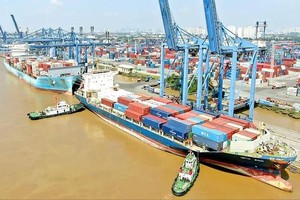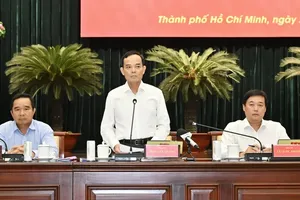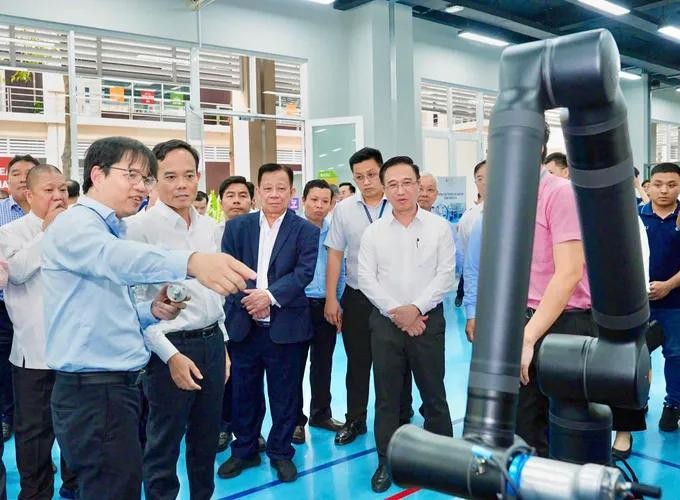
Yesterday afternoon, Tran Luu Quang, Secretary of the Ho Chi Minh City Party Committee, conducted a field survey of the science–technology and innovation ecosystem in the Binh Duong area.
Also attending were Dang Minh Thong, Deputy Secretary of the City Party Committee; Nguyen Manh Cuong, Vice Chairman of the Ho Chi Minh City People’s Committee; as well as representatives from departments, agencies, technology corporations, and universities.
The delegation visited the former Binh Duong Provincial Administrative Center, the VSIP II Industrial–Urban–Service Park, Mien Dong International University, and held a working session with Becamex Corporation to discuss key projects in science, technology, and innovation development.
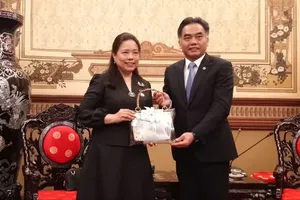
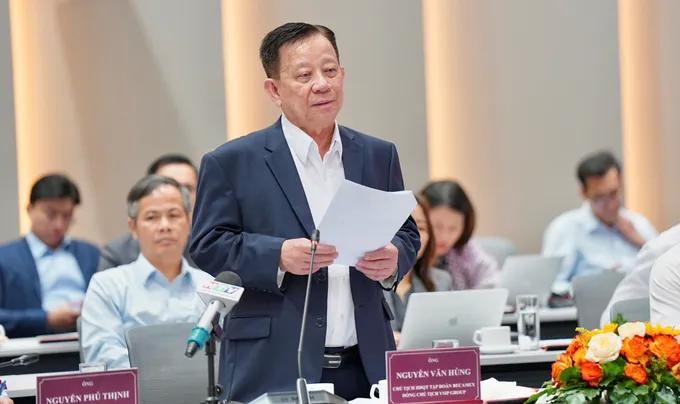
Nguyen Van Hung, Chairman of the Becamex Corporation Board of Directors, proposed that Ho Chi Minh City continue to consider Binh Duong an industrial development zone to attract foreign investment and to build new-generation industrial parks aligned with global development trends.
Nguyen Van Khoa, CEO of FPT Corporation and Chairman of the Low Altitude Economic Alliance, discussed the potential of the low-altitude economy and emphasized the importance of safety and security in this field. He expressed a desire to collaborate with the city in developing policies for the low-altitude economy, along with a land fund of about 200 hectares for manufacturing unmanned aerial vehicles (UAVs).
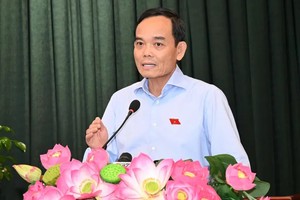
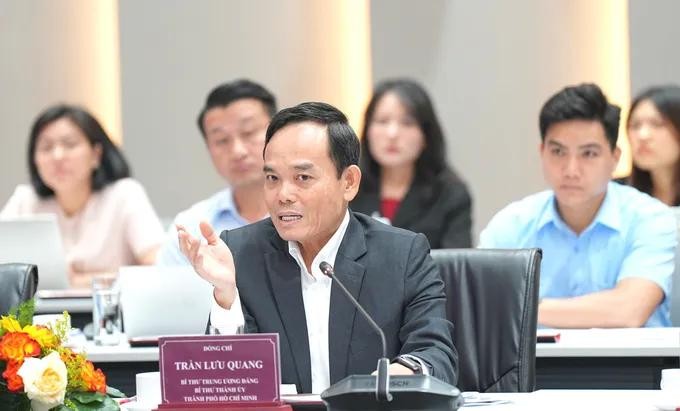
During the working session, Secretary Tran Luu Quang emphasized the pivotal role of enterprises in shaping Binh Duong’s future as a hub for science, technology, and innovation. He called on businesses to capitalize on their strengths and align their strategies with the city’s vision for sustainable development. In outlining specific directions, the Secretary encouraged Viettel to spearhead the testing of 6G technology, while urging FPT to advance projects in unmanned aerial vehicles and green energy.
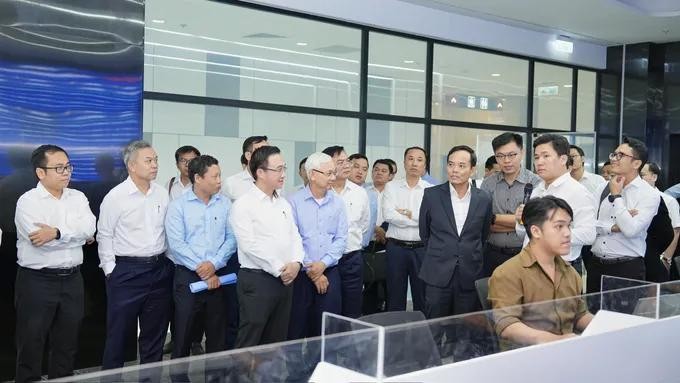
His remarks underscored a broader commitment to fostering collaboration between government and industry in building a modern innovation ecosystem for the region.
Enterprises were encouraged to propose solutions and commit to cooperation in building a modern, sustainable urban model that fully utilizes industrial, infrastructural, and financial advantages.
The Secretary also agreed in principle to assign the former Binh Duong Provincial Administrative Center building to Becamex Corporation for operation and development according to science, technology, and innovation goals.
He tasked the Ho Chi Minh City Institute for Development Studies and the Department of Science and Technology to coordinate with Becamex and other businesses to complete the proposal for developing Binh Duong into a center for science, technology, and innovation.