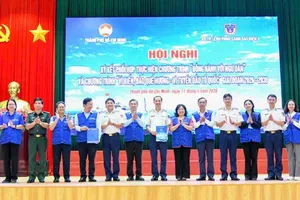
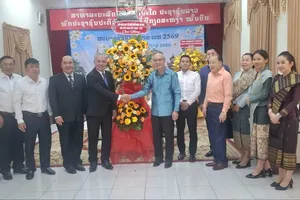
The event marked the 71st anniversary of Vietnamese Doctors’ Day (February 27, 1955–2026).
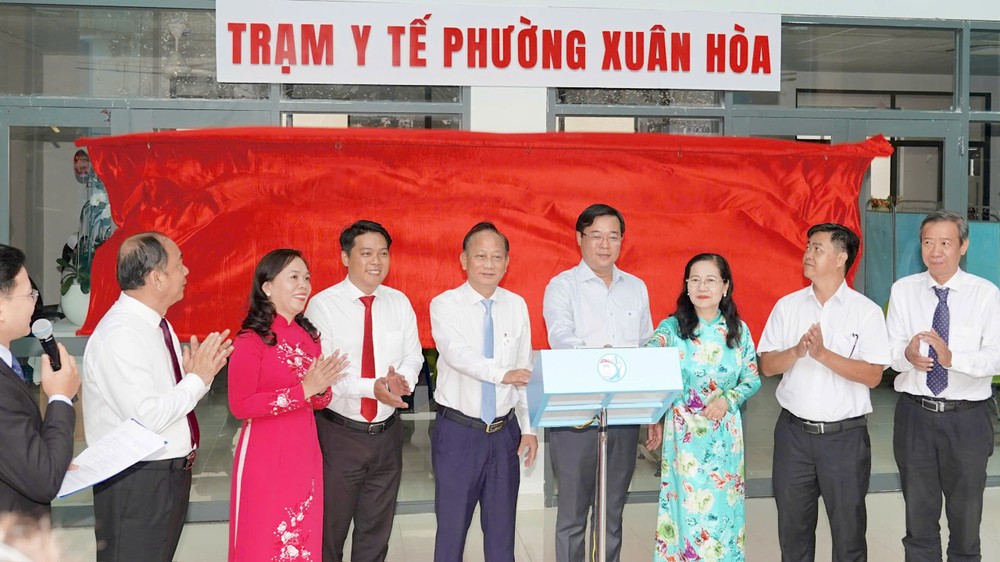
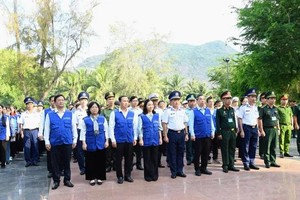
Among those in attendance were Mr. Le Quoc Phong, Member of the Party Central Committee and Permanent Deputy Secretary of the HCMC Party Committee; former Deputy Secretary of the HCMC Party Committee and former Chairwoman of the HCMC People’s Council Nguyen Thi Le; former Head of the HCMC Party Committee’s Commission for Propaganda and Education Than Thi Thu; Deputy Head of the HCMC Party Committee’s Commission for Propaganda and Mass Mobilization Le Van Minh; and Director of the HCMC Department of Health Tang Chi Thuong.
Addressing the ceremony, Chairman of the Xuan Hoa Ward People’s Committee Nguyen Hung Hau said the facility was originally built as the headquarters of the former Vo Thi Sau Ward People’s Committee in District 3. Following the recent administrative restructuring, Xuan Hoa Ward began operating from the former District 3 Party Committee and People’s Committee headquarters, rendering the building at 18 Vo Van Tan Street redundant.
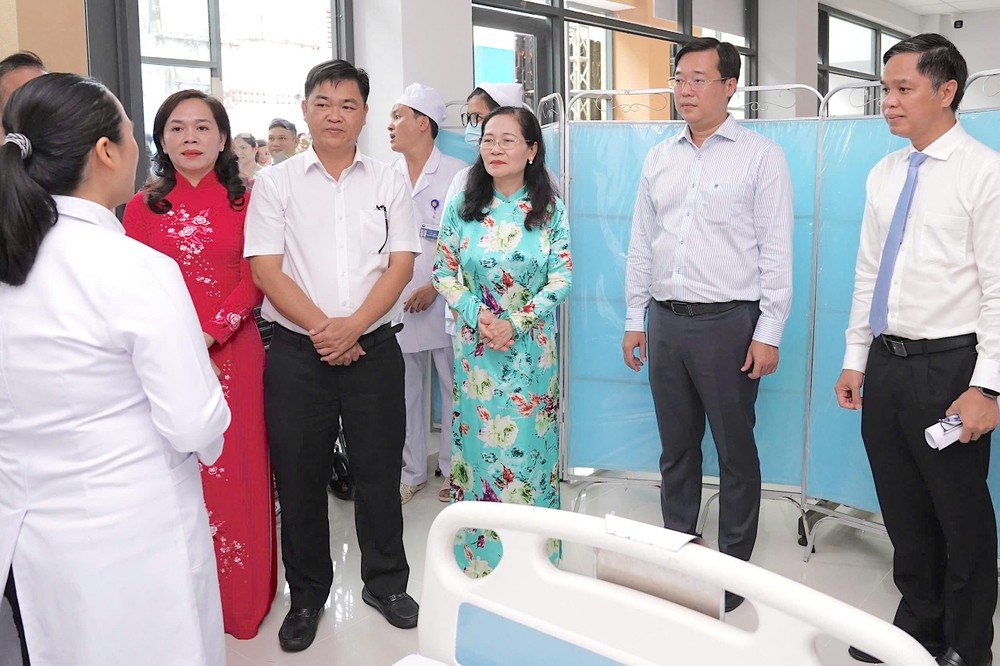
The ward Party Committee and People’s Committee subsequently proposed converting the site into a ward health station. Constructed on a 558-square-meter plot with nearly 1,800 square meters of total floor space, the four-story facility comprises three management and administrative offices, four specialized technical departments, and two satellite units. The station is staffed by 63 personnel, including 18 doctors. Total investment amounted to nearly VND28 billion from the municipal budget.
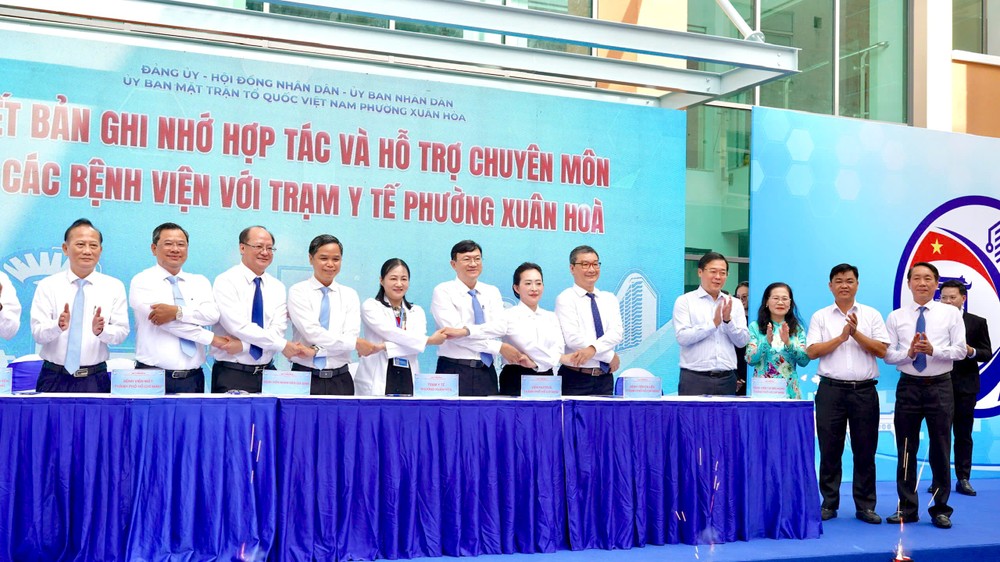
Mr. Nguyen Hung Hau said that in the coming period, the ward authorities will direct the station to pilot a “medicine ATM” model to enhance public healthcare services. The initiative aims to ensure timely and convenient access to essential medicines, particularly for the elderly, patients with chronic illnesses, and individuals requiring regular community-based monitoring and treatment.
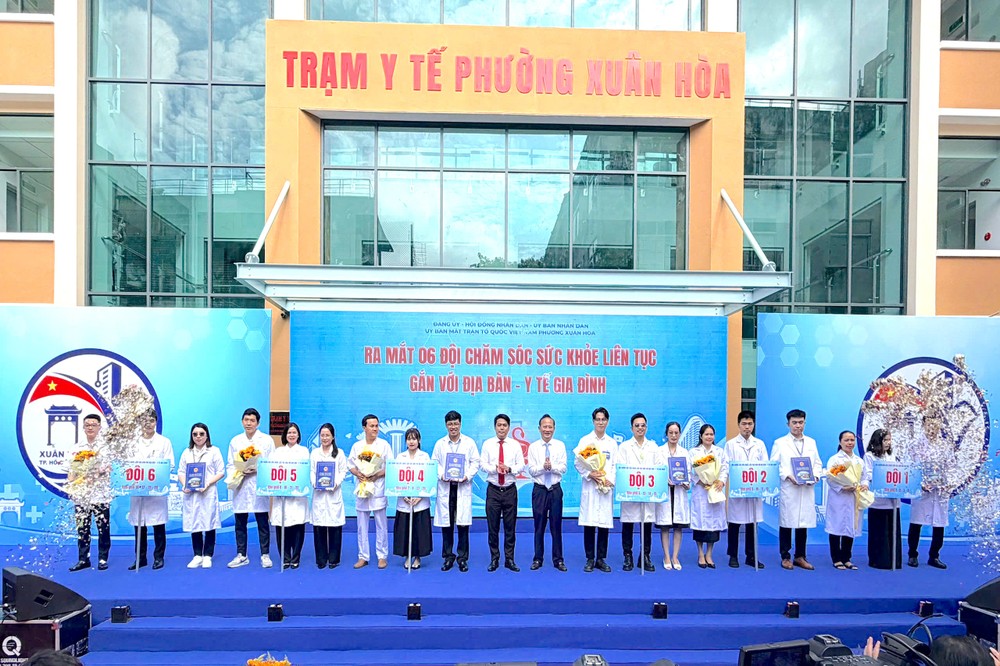
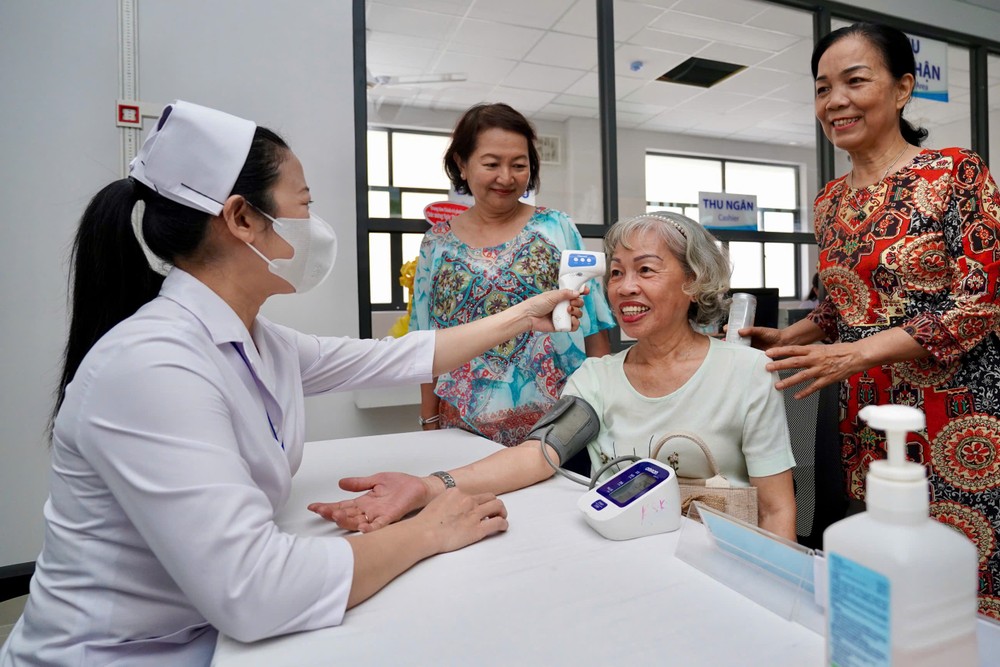
Mr. Tang Chi Thuong, Director of the HCMC Department of Health, described the inauguration of the modern, well-equipped facility and the rollout of the continuous care team model as a timely and strategic move. It reflects a decisive shift from a passive, treatment-focused approach to proactive, comprehensive, and continuous health management for residents.

Formed through the merger of the former Vo Thi Sau Ward and part of Ward 4 in District 3, Xuan Hoa Ward spans 2.2 square kilometers and is home to more than 38,000 residents, with a high population density. From now until year-end, six continuous care teams will be assigned to closely oversee 12 residential quarters. The ward aims to create personal electronic health records for over 90 percent of residents in the pilot area, and to ensure that more than 95 percent of high-risk individuals have their records fully and regularly updated.