Vietnam ended 2025 with striking FDI figures. Total registered capital reached an estimated US$38.4 billion, while disbursed capital exceeded US$27.6 billion which is up nearly 9 percent year on year and the highest level in the past five years. At a time when investment in several regional economies has been delayed or scaled back, Vietnam has maintained steady project implementation momentum.
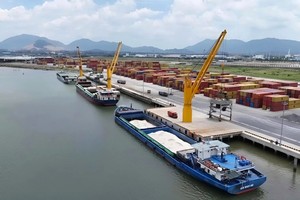
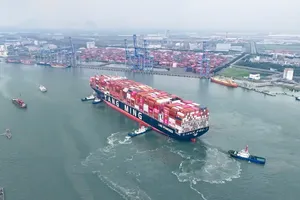
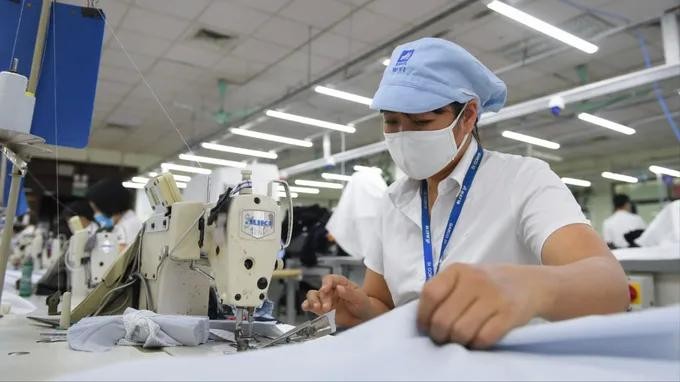
At the same time, the structure of FDI inflows has continued to shift in a positive direction. New and expanded projects are increasingly concentrated in manufacturing, processing, high-tech industries, logistics, energy, and sectors linked to global supply chains. This trend signals that Vietnam is no longer seen merely as a low-cost labor destination, but is gradually becoming an important link in multinational corporations’ strategies to restructure global value chains.
This confidence is further reinforced by independent surveys of the foreign business community. The European Business Confidence Index in Vietnam reached 80 points in the fourth quarter of 2025, the highest level in seven years and well above the neutral threshold. Most surveyed firms rated current business conditions positively and expressed optimism for 2026, with many large enterprises identifying Vietnam as a strategic destination in the region rather than simply an alternative option.
Amid global economic volatility, Vietnam’s macroeconomic stability and the dynamism of its domestic market of more than 100 million people serve as an “insurance policy” for investors. In parallel, sustained efforts in institutional reform and infrastructure investment have begun to generate spillover effects. Progress toward international ESG (Environmental, Social, and Governance) standards, alongside commitments to emissions reduction and supply chain greening, is helping align Vietnam more closely with the sustainable development strategies of global corporations.
However, maintaining this appeal requires candid recognition of existing bottlenecks. Administrative procedures in certain areas remain cumbersome; policy implementation lacks consistency across localities; and pressures from logistics costs and shortages of skilled labor persist. If not addressed promptly, these constraints could erode Vietnam’s competitive edge in the medium term.
Looking ahead to 2026, opportunities are broad but challenges remain significant. For FDI to continue serving as a key growth driver, institutional reforms must become more substantive, with business satisfaction used as a core measure of public service effectiveness. At the same time, regional connectivity infrastructure projects need to accelerate, and key urban transport bottlenecks must be resolved to cut logistics costs and enhance competitiveness. Long-term solutions are also required to train and attract high-quality human capital suited to global development trends.
Vietnam needs more than capital; it requires FDI projects that generate strong spillover effects, introducing advanced technology and modern governance practices. Through breakthrough thinking and decisive action to remove existing constraints, Vietnam can transform from being just a destination for capital flows into a regional hub of innovation and sustainable development.