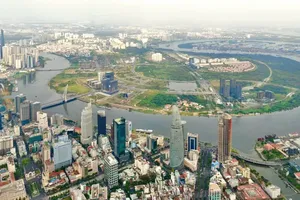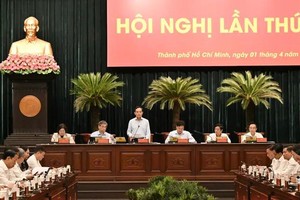
Total registered foreign direct investment (FDI) in Ho Chi Minh City in 2025 is estimated at nearly US$8.37 billion, up 24.2 percent from 2024, reflecting the continued appeal of the southern metropolis to foreign investors.
The information was shared at a press conference on the city’s socio-economic situation held on December 25.
Specifically, the city granted investment certificates to 1,865 new FDI projects with a combined registered capital of more than US$1.6 billion, while 432 existing projects added their capital by US$2.9 billion. In addition, foreign investors completed 2,700 transactions to contribute capital, purchase shares, or acquire stakes in domestic enterprises, with a total registered value of US$3.7 billion.
As of December 31, Ho Chi Minh City is expected to continue leading the nation in valid FDI capital and project numbers, with total registered capital standing at US141.9 billion across 20,310 projects.
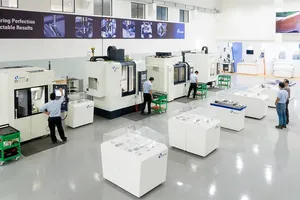
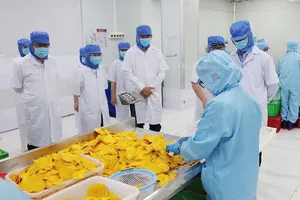
By sector, manufacturing and processing continue to account for the largest share of registered FDI, with 5,829 projects and total capital exceeding US$75.4 billion, or 53.3 percent of the total. Real estate ranks second with US$28.5 billion (20.2 percent), followed by wholesale and retail trade and vehicle repair with US$7.5 billion (5.3 percent). Other investments were channelled into education and training, professional and scientific services, construction, and information and communications.
The Department of Finance reported that investors from 89 countries and territories invested in the city this year. Singapore topped the list with US$2.1 billion, accounting for 25 percent of total registered capital, followed by the Republic of Korea with US$635.2 million (8 percent) and Hong Kong (China) with US$482.2 million (6 percent). Other significant sources included China, Japan, the British Virgin Islands, Thailand, and the United States.
The city aims to prioritize FDI into high-value-added sectors, green energy, and high technology. To this end, it plans to upgrade and modernize investment, trade, and tourism promotion activities; strengthen economic diplomacy; and directly engage leading multinational corporations and strategic partners in key projects, including plans to develop the city into a national services hub and an international financial center.
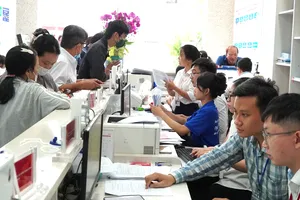
At the same time, the city will continue to address investment barriers, improve planning and infrastructure, simplify administrative procedures, develop high-quality human resources, and strengthen dialogue with investors. It will also recommend that the Government amend and supplement inadequate regulations while proactively developing specific policies suited to the city’s development characteristics.
Recently, the city proposed that the National Assembly approve Resolution 260/2025/QH15, amending Resolution 98/2023/QH15 on piloting special mechanisms and policies for the development of HCMC, including expanding the framework for selecting strategic investors.