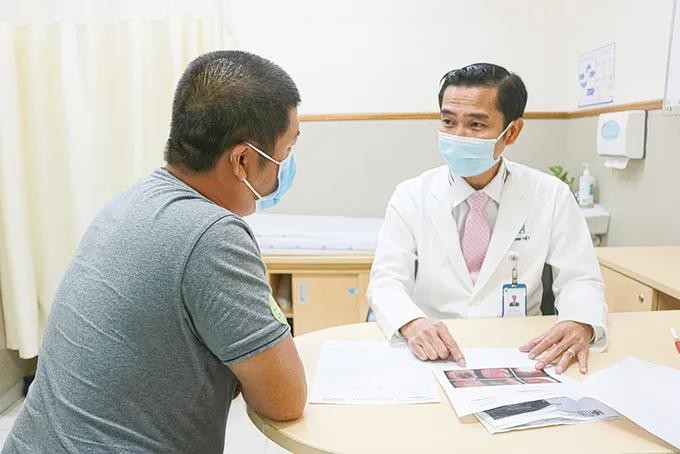
No longer a disease of the elderly, colorectal cancer is rising rapidly and affecting younger people, with many cases now diagnosed in individuals as young as 25 to 30. Experts warn that modern lifestyles and a sense of complacency are allowing the disease to spread silently.
Unhealthy lifestyles is the culprit of rising colorectal
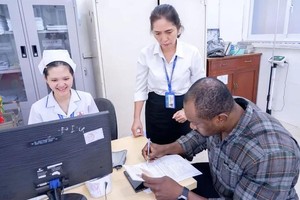
Visiting People’s Hospital 115 for a routine check-up at her husband’s insistence after noticing her pale complexion, a 35 year old woman did not expect anything serious. Previously, she had experienced occasional mild abdominal pain that quickly subsided, leading her to dismiss it as a common digestive issue.
However, medical examination revealed that she had severe anemia, prompting doctors to immediately recommend a colonoscopy. The results shocked both her and her husband: the procedure clearly showed a large tumor in the colon with an ulcerated surface that bled easily upon contact.
In another case, N.H.H.H., 27, sought medical attention due to fatigue, dizziness, and changes in bowel habits. Initially attributing the symptoms to overwork, the patient was later found through colonoscopy to have a ring-shaped, bleeding tumor in the rectum. Pathology results confirmed advanced-stage rectal cancer.
According to Dr. Tran Kinh Thanh, Deputy Head of the Department of Gastroenterology at People’s Hospital 115, the clinic has recorded a surge in late-stage colorectal cancer cases over the past two weeks, many of them in young patients aged 27 to 35.
Dr. Tran noted that the sharp increase in colorectal cancer among people under 40 is strongly linked to modern lifestyle factors, including low-fiber diets; chronic constipation that alters gut microbiota; frequent consumption of fast food, red meat, charred or processed foods; and insufficient intake of vegetables and fruits. These factors significantly increase the risk of colorectal cancer.
Additionally, physical inactivity; excessive use of alcohol and tobacco; prolonged stress; genetic predisposition (especially among those with a family history of colorectal cancer); and conditions such as colorectal polyps also contribute to higher risk.
Early detection, effective treatment
According to oncology experts, colorectal cancer is one of the most common gastrointestinal cancers. Early detection and treatment significantly improve outcomes. Therefore, individuals experiencing symptoms such as pale skin, dizziness, changes in bowel habits (constipation alternating with diarrhea, narrow stools), or persistent abdominal pain should seek timely evaluation from a gastroenterology specialist.
Basic diagnostic tests should not be overlooked, and colonoscopy should be performed when indicated to enable early detection and intervention for precancerous lesions such as colorectal polyps.
“Youth does not equate to immunity from cancer. In today’s high-pressure lifestyle, many people ignore early warning signs, leading to late diagnosis. Proactive health check-ups and regular screening are key to early detection and improved treatment outcomes,” Dr. Tran emphasized.
Sharing the same view, Dr. Ung Van Viet, Deputy Head of the Department of Gastrointestinal Surgery at the University Medical Center in Ho Chi Minh City, stated that colorectal cancer, while serious, can be cured in up to 90 percent of cases if detected and treated early. In practice, many patients have been successfully treated and have lived healthily for more than 20 years after diagnosis. Prognosis largely depends on the stage at diagnosis, with earlier detection leading to more effective treatment.
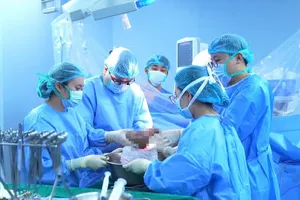
Treatment for colorectal cancer typically involves a multimodal approach, including surgery, chemotherapy, and radiotherapy. However, surgery remains the primary and potentially curative treatment when the disease is detected early. Post-treatment care and monitoring are equally critical, as the disease may progress or recur at any time. Even after curative treatment, patients remain at a higher risk of developing new colorectal cancer compared to the general population.
Patients should adhere to regular follow-up schedules, including blood tests, abdominal ultrasound, colonoscopy, and imaging scans to detect recurrence. A healthy diet rich in vegetables, fruits, dairy products, and whole grains, along with adequate hydration, is recommended. Tobacco and alcohol should be limited. At the onset of symptoms such as abdominal pain or diarrhea, patients should promptly return to their treating medical facility for evaluation and care.
According to data from the Global Cancer Organization - Globocan, Vietnam sees approximately 16,835 new cases and over 8,454 deaths annually due to colorectal cancer. This type of cancer ranks as the fourth leading cause of cancer-related mortality worldwide, following lung, stomach, and liver cancers. Alarmingly, 20 percent-30 percent of patients are diagnosed at a stage where the disease has metastasized, complicating treatment efforts.


)