The Health Insurance Department under the Ministry of Health has proposed adding 84 medicines, including 30 cancer treatments, to the Health Insurance Fund’s coverage in what could become the largest expansion of insured medicines in more than eight years.
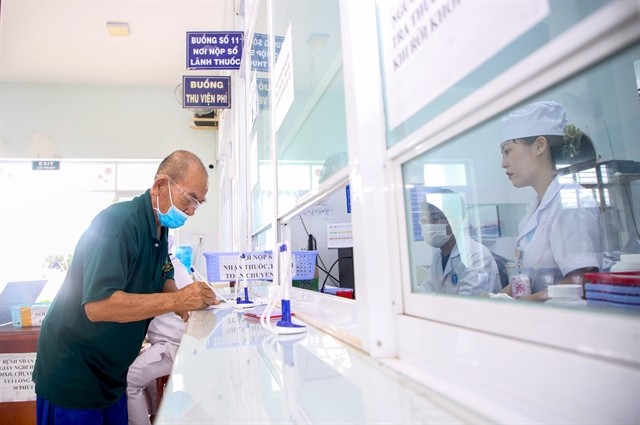
According to the Ministry of Health, the proposed additions mainly include newer therapies such as targeted drugs, monoclonal antibodies and immunotherapies. The appraisal process is being expedited and is expected to conclude in the second quarter.
If approved, the update would expand benefits across more than 20 therapeutic areas, including oncology, cardiology, diabetes, hypertension, neurology, respiratory diseases and gastroenterology, with particular emphasis on cancer treatment.
Department director Tran Thi Trang said the technical review process is expected to finish in June before legal procedures are completed to issue the updated list.
For high-cost medicines, particularly cancer drugs, the ministry is urging pharmaceutical companies to share costs and explore measures to reduce patient co-payments.
Separately, the ministry is reviewing the implementation of regulations covering 62 serious or rare diseases and high-tech surgeries that allow patients to bypass referral tiers and still receive 100 per cent eligible insurance benefits.
Feedback from hospitals and local authorities could lead to conditions that can now be effectively treated at lower-level facilities being removed from the list, while others, including some haematological diseases, may be added.
Trang noted that while access to specialised health care has improved over the past year, tertiary hospitals are facing growing overcrowding pressures.
Drug spending from the Health Insurance Fund reached VND40 trillion (US$1.52 billion) in 2022, accounting for 33.41 percent of total spending. The figure rose to VND45.841 trillion in 2023, or 32.82 percent, and VND50.784 trillion in 2024, equivalent to 31.22 percent.
Current insurance coverage follows a Ministry of Health regulation covering 1,037 active ingredients and biologics across 27 groups, along with 59 radiopharmaceuticals and tracers.






)



)