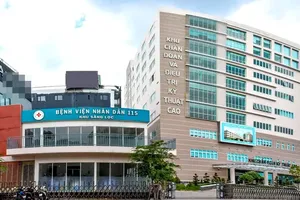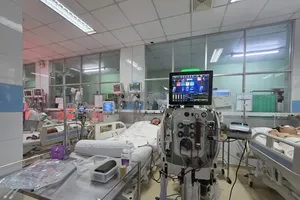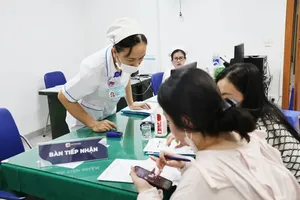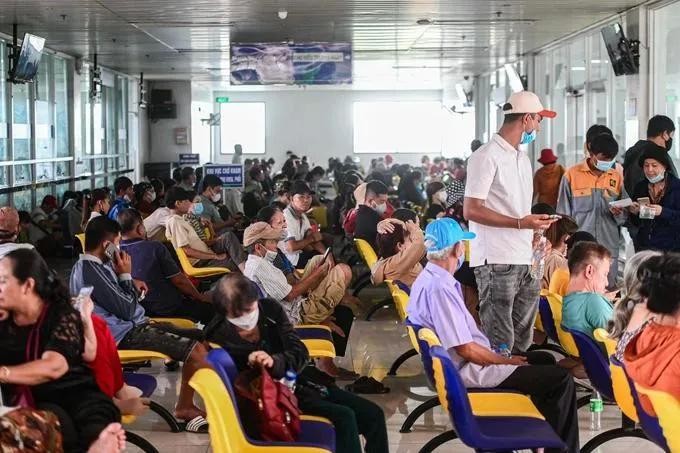
Ho Chi Minh City Oncology Hospital estimates it will receive over 1.08 million patient visits in 2025 — a 22 percent increase from 2024. New cancer cases are projected to reach 42,156, with thyroid cancer accounting for the highest proportion (23.2 percent), followed by breast cancer (18.1 percent).
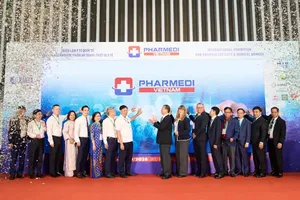
The information was announced at the 28th Ho Chi Minh City Cancer Prevention Conference, which opened on December 4. The event was jointly organized by the Ho Chi Minh City Oncology Hospital, the Vietnam Cancer Society, and the Ho Chi Minh City Cancer Society under the theme: “Recent Advances in Cancer Diagnosis, Treatment, and Prevention: Toward Comprehensive Care and Precision Medicine.”
The conference brought together more than 2,000 oncology experts from across Vietnam, along with 27 international specialists from France, Germany, Belgium, Luxembourg, the Netherlands, China, Japan, and South Korea. Representatives from medical universities and hospitals at both national and local levels also attended.
Dr. Diep Bao Tuan, Director of Ho Chi Minh City Oncology Hospital, emphasized that cancer remains the second leading cause of premature death in Vietnam after cardiovascular diseases with over 180,400 new cases and more than 120,000 deaths annually.
During the conference, experts discussed strategies for strengthening Vietnam’s cancer prevention network and improving patient care from prevention, screening, and early detection to diagnosis, treatment, and palliative care. The event also highlighted efforts to advance specialized oncology techniques, aiming to bring Vietnam closer to regional and global standards in research and clinical applications.
Taking place on December 4–5, the conference includes one plenary session, multiple satellite meetings, specialized training courses, and over 20 professional presentations. A key feature this year is a session dedicated to the application of artificial intelligence (AI) in healthcare covering radiotherapy planning, adaptive radiation, modern endoscopic surgery, interventional therapy for liver cancer, molecular testing, personalized treatment, and post-cancer management.