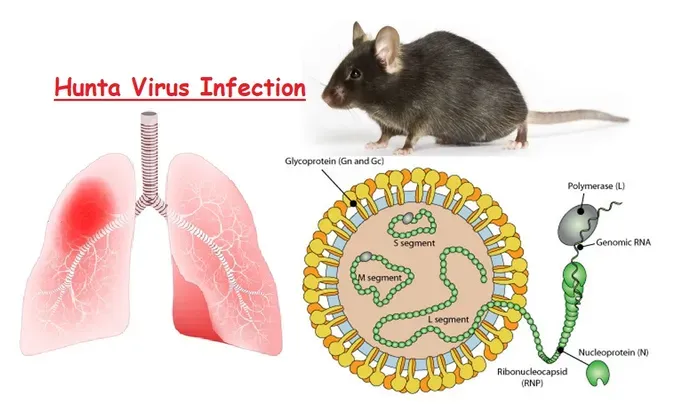
The Vietnam Administration of Disease Prevention, under the Ministry of Health, issued an alert on May 5 following a World Health Organization (WHO) report regarding a cluster of Hanta virus cases detected on an international cruise ship.
According to the WHO, the cluster of severe acute respiratory infections was identified in early May 2026 aboard a vessel traveling from Argentina through the South Atlantic.
As of May 4, seven cases of severe respiratory illness have been reported. Among these, two have been confirmed as Hanta virus infections while five remain suspected. The outbreak has resulted in three fatalities, with one patient in critical condition and three others exhibiting mild symptoms.
The ship is carrying 147 individuals representing 23 different nationalities. Authorities confirmed that no Vietnamese citizens are among those on board. In response to the situation, health officials have released updated preventative guidelines to mitigate the risk of infection.
The Vietnam Administration of Disease Prevention has confirmed that Vietnam has yet to record any human cases of Hanta virus. However, health officials are urging the public to remain vigilant as the virus remains a significant threat via rodent transmission.
Hanta virus is primarily spread from rodents to humans through contact with urine, feces, or saliva, or by inhaling contaminated dust in infested areas. The incubation period typically spans two to four weeks.
While early symptoms include fever, headache, muscle aches, and digestive issues, severe cases can escalate to coughing, respiratory distress, and low blood pressure. Currently, there is no specific treatment or vaccine for the virus, with medical care focusing primarily on supportive therapy.
To proactively prevent infection, authorities recommend:
* Safe Cleaning: Always wear masks when cleaning rodent-prone areas. Use disinfectant sprays to dampen surfaces before cleaning; never dry sweep or use vacuums, as this can aerosolize the virus.
* Hygiene & Storage: Wash hands thoroughly after cleaning, keep food in sealed containers, and dispose of trash regularly.
* Proofing: Seal all gaps and holes to prevent rodents from entering living spaces.
Hantaviruses can infect and cause serious disease in people worldwide. People get hantavirus from contact with rodents like rats and mice, especially when exposed to their urine, droppings, and saliva. It can also spread through a bite or scratch by a rodent, but this is rare.
Diagnosing hantavirus in a person who has been infected less than 72 hours is difficult. If the initial test is done before the virus can be found, repeat testing is often done 72 hours after symptom start. Early symptoms such as fever, headache muscle aches, nausea, and fatigue are easily confused with influenza.












)