The field of nutrition science, along with real-world evidence, highlights the essential importance of school meals in supplying students with the necessary energy and nutrients for effective learning as well as for their physical and cognitive growth.
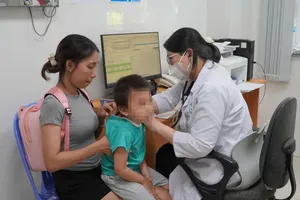
These meals serve as a strategic basis for advancing public health, improving physical development, and mitigating non-communicable diseases. Furthermore, they represent a crucial intervention in tackling Vietnam's double burden of malnutrition, which includes both stunting and increasing rates of overweight and obesity.
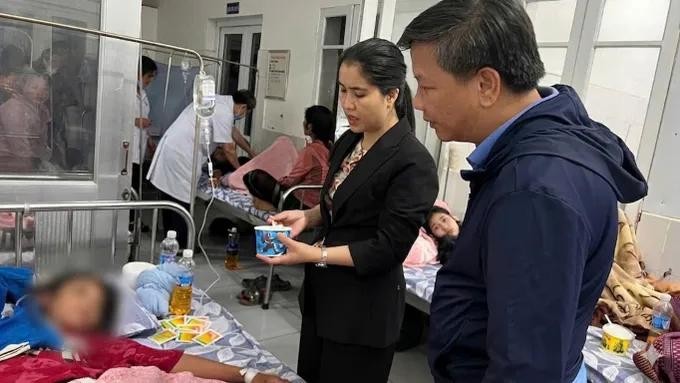
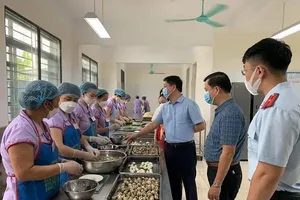
In recent years, the nutritional quality and food safety of school meals have improved. However, coverage remains limited relative to demand. Food poisoning incidents linked to school meals have continued to occur, raising concerns.
Complaints from parents about the nutritional quality of school meals are not uncommon. In practice, aside from a small number of pilot programs, most schools have yet to design menus based on age-specific energy and micronutrient requirements. Facilities in many areas still fall short of food safety standards, while management, inspection and oversight mechanisms remain inconsistent and unsustainable.
As Vietnam searches for solutions, Japan offers a notable model. The country enacted its School Lunch Law in 1954, codifying detailed standards on nutrition, food safety, and the allocation of responsibilities for organizing school meals.
Under Japan’s system, the government supports infrastructure costs, schools employ nutrition staff, and parents contribute to food expenses. The law also mandates regular monitoring and evaluation of students’ nutritional status, with nationwide menu adjustments made when deficiencies are identified.
An additional feature is student participation in preparing, serving and cleaning up meals. This hands-on approach reinforces nutrition education while fostering life skills and healthy eating habits.
In South Korea, school meals are similarly governed by law and implemented nationwide. Food hygiene and school meal regulations require each school to employ a nutrition teacher responsible for menu planning, calorie calculation, food safety control, and nutrition education. Since 2010, the country has implemented a universal free school meal policy for all students.
In Vietnam, responsibility for organizing school meals is formally assigned, with schools and principals bearing primary legal responsibility. Local education and health authorities coordinate inspection and oversight, and parents are encouraged to participate in monitoring.
However, the country has yet to establish dedicated standards for nutritional quality and food safety. Menu planning is often ad hoc, handled by non-specialist staff or outsourced to catering companies, with few schools employing trained nutrition professionals.
Investment in school meals is a direct and effective investment in the country’s future workforce. Each meal provides not only safe and adequate nutrition but also an opportunity to instill healthy eating habits and food culture—factors that contribute to long-term development in health, character, knowledge, and skills.
Experts say it is time to codify school nutrition standards into law, requiring compliance from school kitchens and catering providers. The Government should support infrastructure costs, while schools should employ qualified nutrition staff and implement clear systems for inspection, supervision, and assessment of students’ nutritional status.
Such policies need to be implemented promptly and consistently nationwide, with coordinated action between the health and education sectors at all levels of government, from central authorities to local administrations and individual schools.




)