
The warning was issued at the seminar “Safe Cosmetic Surgery: From Legal Frameworks to Medical Practice,” organized by Tien Phong Newspaper.
Speaking at the event, Dr. Dao Van Sinh, Head Representative of the Ministry of Health’s office in HCMC, said Vietnam’s cosmetic industry has expanded rapidly in recent years as demand for beauty treatments continues to surge. The booming market now ranges from specialized cosmetic hospitals and clinics to beauty salons and skincare establishments.
However, alongside this growth comes mounting concern over patient safety. According to industry data, Vietnam performs approximately 250,000 cosmetic surgeries annually, with tens of thousands of recorded complications each year, highlighting the significant risks associated with the fast-growing beauty sector.
Associate Professor Dr. Nguyen Thanh Van, Chairman of the HCMC Society of Plastic & Aesthetic Surgery, said complications are most common in invasive procedures and at facilities operating without licenses.
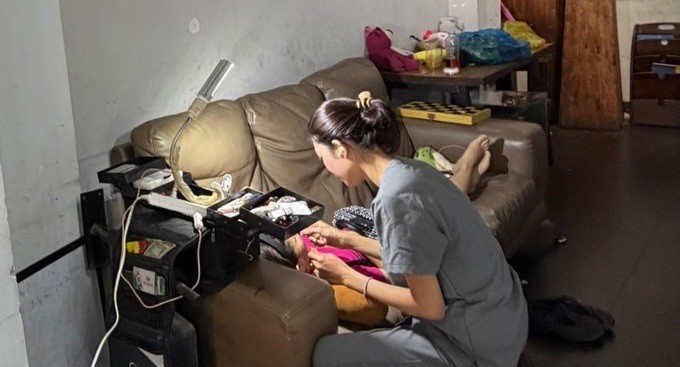
Potential complications range from infections, hematomas, scarring, and functional deformities to severe conditions such as vascular occlusion, tissue necrosis, blindness, pulmonary embolism, internal organ injuries, and even death.
Associate Professor Dr. Nguyen Thanh Van cited several serious cases. One 36-year-old woman developed generalized peritonitis after undergoing liposuction and abdominoplasty. The patient suffered septic shock, underwent multiple surgeries to remove necrotic tissue, received skin grafts, and spent more than 100 days receiving treatment before surviving the ordeal. Nevertheless, she was left with severe long-term complications.
In another case, a 64-year-old patient died from pulmonary embolism and multiple organ failure after undergoing several procedures simultaneously, including eyelid surgery, breast implantation, liposuction, and abdominoplasty.
To reduce risks, experts called for stricter oversight of the cosmetic industry, stronger patient screening procedures, and tighter adherence to professional medical protocols. Practitioners and clinics, they said, must also establish clear emergency response plans rather than abandoning patients when complications occur.
Addressing common complications linked to dermal filler injections, Dr. Thai Nhu Ngoc, Head of Dermatology at Linh Anh Aesthetic Company, said many incidents stem from procedures being performed by spa employees or technicians with no formal medical qualifications rather than licensed specialists.

She noted that many complications occur at unauthorized facilities using unverified products and improper techniques. As a result, consumers must take proactive steps to protect themselves by following what experts described as the “four correct principles”: choosing the correct facility, the correct practitioner, the correct products, and the correct procedures.
According to the guidelines, aesthetic procedures should only be performed at licensed hospitals or clinics by certified dermatologists or plastic surgeons using approved products and medically compliant techniques.
Customers also have the right to request physicians’ practicing licenses before agreeing to any cosmetic procedure. Licenses and professional certifications can additionally be verified through provincial Departments of Health and local government online portals.
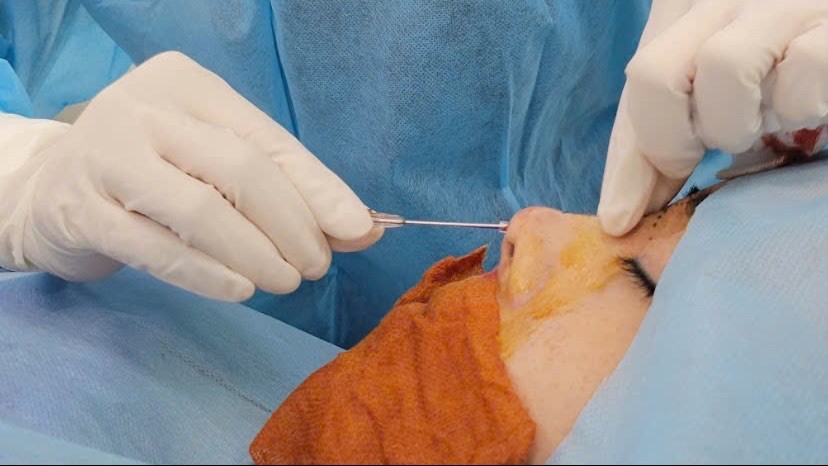
Dr. Dao Van Sinh emphasized that the Ministry of Health views safety and legal compliance as essential foundations for the sustainable development of Vietnam’s cosmetic industry. Authorities are currently implementing a range of measures, including improving the legal framework governing licensing and cosmetic practice, while intensifying inspections and imposing stricter penalties on violators.
At the same time, the ministry aims to strengthen professional standards and medical ethics among practitioners. “Doctors remain the final gatekeepers responsible for ensuring patient safety,” he said.
Experts also stressed the need for stronger public awareness campaigns to help consumers better understand cosmetic services, choose reputable providers, and avoid falling for misleading advertisements and unverified beauty trends.







)

)