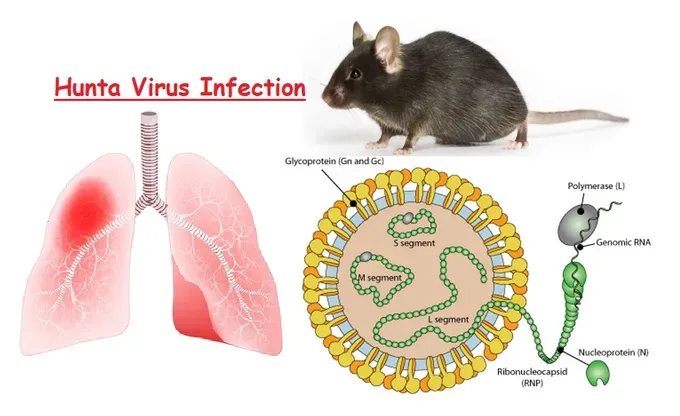
The Ministry of Health has ordered heightened border and medical surveillance following a Hanta virus outbreak aboard the Dutch-flagged cruise ship MV Hondius, where eight infections and three deaths have been reported.
In an urgent dispatch issued on May 13, the Department of Disease Prevention instructed relevant agencies to strengthen screening measures at border gates and healthcare facilities after cases of the Andes strain of Hanta virus were detected on the vessel during its voyage from Argentina to Cape Verde.
According to the latest data from the World Health Organization, the outbreak aboard the international cruise ship MV Hondius has resulted in eight confirmed cases, including three fatalities. Laboratory testing identified the Andes strain of Hanta virus as the source of the infections.
Health authorities said the risk of transmission to the general public remains low and stressed that Hanta virus spreads differently from Covid-19. Investigators are still working to determine the exact source of the outbreak, though experts believe the index patient may have contracted the virus through environmental exposure or contact with rodents during outdoor activities before boarding the ship.
Officials also cautioned against premature speculation linking the outbreak to food, water supplies, or the vessel itself before the investigation is completed.
The Department of Disease Prevention confirmed that no Vietnamese citizens have been linked to the outbreak. As a precaution, the Ministry of Health has directed local authorities to intensify disinfection efforts and expand monitoring at border checkpoints and medical facilities nationwide.
The ministry noted that Vietnam has previously recorded related Hanta virus strains in animal populations. Authorities urged the public to remain calm, follow official information channels, and avoid spreading unverified claims about a potential large-scale outbreak.
Residents were advised to maintain clean living environments, practice preventive hygiene measures, and eliminate rodents to reduce the risk of rodent-borne diseases.
Anyone experiencing symptoms such as fever, muscle aches, fatigue, digestive problems, coughing, chest tightness, or breathing difficulties after exposure to rodents or rodent-infested areas was urged to seek immediate medical attention and provide doctors with a detailed exposure history.
The Department of Disease Prevention said it would continue coordinating with international health organizations and relevant agencies to monitor developments, reassess risks, and implement response measures when necessary.












)